Sleep Medicine..?
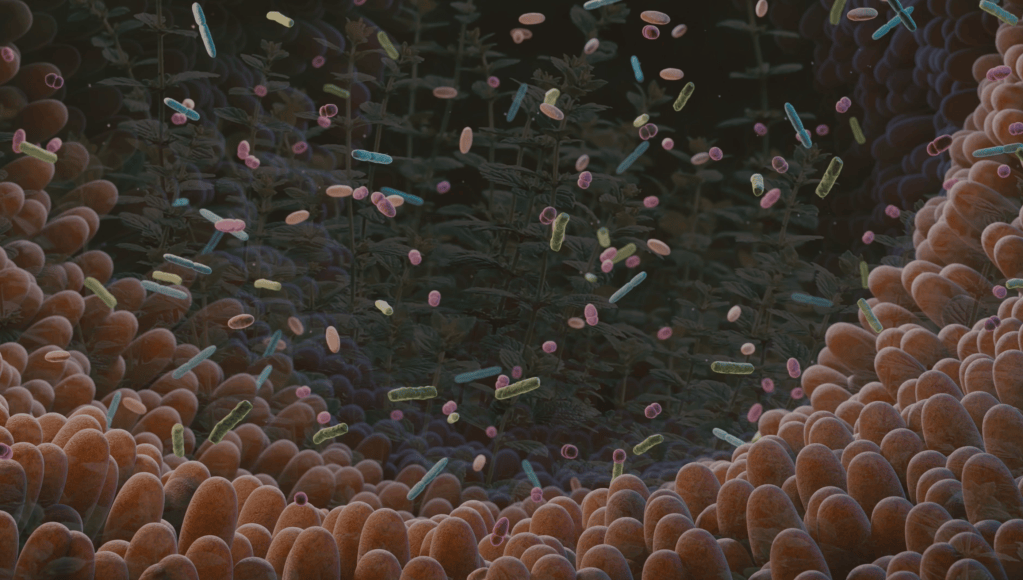
Biotic: Supporting the gut microbial population, maintaining the health toward a favourable state.
There are 2766 microbial species that are thought to represent the human gut, and the majority is made up of gram-positive Lactobacillus spp., Firmicutes and Gram-negative Bacteroidetes. A remaining 10% is Fusobacteria and Verrucomicrobia phyla 1, 2.
Diet, stress, hormone fluctuations and drugs., specifically antibiotics can alter the overall composition of the microbiome, whilst it has also been shown that external stress can also impact the neurotransmission and survival of the gut bacteria 3, 4. Ultimately the effect on the synthesis of neurotransmitters, can lead to the altered communication with the CNS.
As we come to understand the importance of the microbiome on health and disease, we are becoming more aware of influencing the gut microbiota composition and its metabolic activities through probiotics, prebiotics, and postbiotics possibly through supplementation, dietary fibre and fermented foods.
Probiotics are officially defined as live microorganisms that when administered in adequate amounts, confer a health benefit on the host5, with the majority of commercial probiotics being specific microbial strains from the genera Bifidobacterium, Lactobacillus, and Saccharomyces. In terms of clinical practice, it may be that lactobacillus, streptococcus, Bifidobacterium and yeast are the most functional organisms6. Probiotics such as the vitamins, SCFA’s and plasmalogens, exert functional actions as antimicrobial and immunological, promote equilibrium for the microbiome, and are positive neurological pathway influencers7.
Prebiotics are defined as a substrate that is selectively utilized by host microorganisms conferring a health benefit 5. These can improve health by altering the makeup of the microbiota from encouraging the species growth. When found in dietary fibres, only a subset of these qualify to a therapeutic level as prebiotic, but are equated from plant sources of inulin (frequently from chicory root, Jerusalem artichoke (Cyanara scolymus L.), garlic, onion, and banana) or non-fibre sources such as polyphenols.
Postbiotics, was coined as a term for another category only more recently in 2021, and although complete mechanisms of their actions remain unclear, they are generally defined as ‘preparations of inanimate microorganisms and/or their components, that confers a health benefit on the host‘ 5. Generally, these are soluble substances that are secreted during cell degradation or lyses., such as peptides, polysaccharides, enzymes, cell proteins and acids. These are known to specifically support immune function, reduce inflammation, and strengthen the epithelial cells of the intestine8.
Enhancing the colonisation survival of living beneficial bacteria in the gut through a synergistic blend of pro- and prebiotics together, is termed as synbiotic. These combinations are of therapeutic value particularly for gut modulation., and reduces dysbacteriosis., or the disruption and imbalance of the microbiota9.
Prebiotics that are digested by the intestinal bacteria during fermentation, release energy and form SCFA’s. There are three main categories of SCFA’s, propionate, acetate or butyrate. These SCFA’s are actually proposed categories of probiotic. Whilst imbalance within these categories’ ratio has been found to be associated with dysbiosis, studies have shown that administration of butyrate particularly, can affect circadian rhythm regulation by inhibiting histone protein, resulting in the stimulated clock gene expression 10.
Furthermore, bile acids are steroidal facilitators of digestion and absorption, synthesised in the liver from cholesterol. Bile Salt Hydrolase (BSH) enzymes through the microbiota, deconjugate or disrupt the structure of the bile acid molecule, shown to have various critical influences as signalling molecules for several processes, including inflammation and adenosine pathways in ATP and energy metabolism 11, 12.
Various studies have suggested, that in a sleep-disrupted gut, there is associated deficiency of BSH-expression-promoting lactobacillus and Bifidobacterium, suggesting that bile salts are a by-product of a healthy microbiome 7. This circadian process then, is thought to be significantly exhibited., through the particular genera of probiotics that promote the BSH-expression, such as the Lactobacillus, Bifidobacterium, Enterococcus and Clostridium species.
A critical part of maintaining the GIT health resiliency and its functional integrity, is in intestinal mucin proteins, that represent the protective barrier against penetrating pathogens and particles of the surface of epithelium, also providing lubricant for metabolic processes to take place. The microbiota that are resident., will provide nutrients for this barrier and compete for space against pathogens 13.
A major bacterial species example in the mucosal layer is Verrucomicrobia phylum, particularly Akkermansia muciniphila, that is known to increase the thickness of mucus and gut-barrier function, with its mucolytic and metabolic activities. Particularly., A. muciniphila stimulates the production of mucins which it then utilises for processes, in turn stimulating a further increase in mucin production 14. A. muciniphila increases production of SCFA’s, specialising in mucin degradation. This results in the release of less complex carbohydrates and mainly propionic and acetic acid, that become part of microbial food-chains taken up for use by other bacteria, such as the substrates for F. prausnitzii, that is one of the main producers of butyrate in the intestine 15.
This not only provides beneficial associations toward various metabolic actions and in maintenance of intestinal homeostasis through anti-inflammatory properties, but it also has anti-microbial peptides, and its role in hydrogen production]16 also make it a potential as muscle relaxant for other related psycho/biotic targets. Therefore., although examples like A. muciniphila aren’t available in general diet and nutritional intake, often with relatively stress-free adjustment in the form of plant medicine, we can contribute to supporting the growth and ~biotic populations with fibre, prebiotics and polyphenols.
Mucilage, found in many plants such as Aloe, Flax, Fenugreek, Liquorice, Marshmallow, Figs… is a large plant polysaccharide that has a cage-type structure that forms these gel-like protective qualities for the GIT. These compounds are hydrophilic (water-loving) able to trap water (and other molecules) within their structure. The beta structure of the saccharide linkages means that mucilage is unable to be broken down by human digestive enzymes. Instead, swelling in size as it is contacts and absorbs water, forming these various functional properties for the gut environment. As well as emulsifying and modifying viscosity, their controlled- release ability, protects the anti-microbial and antioxidant compounds, whilst retaining the probiotic bacteria 17. The microbiota breaks them down into beneficial metabolites such as the short-chain fatty acids (SCFA).
The aftermath of COVID -19, left later reports of sufferers of residual symptoms such as memory-loss, over-sadness, impaired cognition and anxiety, despite not showing identifiable abnormality on imaging investigations 18. Explanation may best be considered in terms of a dysbiosis at the gut, resulting in inflammations of nerve cells, modifications in adrenal gland secretion and neurotransmitters. It has been considered that chronic inflammation disrupts neurotransmitter balance resulting in imbalanced gut microbiota. This., we know to cause weakened intestinal wall, that results in cytokines passing through the blood-brain barrier, where it possibly interacts with and alters microglial receptors., thus promoting the pro-inflammatory signals in the brain.
Postbiotics., acting as psychobiotics, may then also contribute to post-traumatic traumas including those associated with post-covid symptoms, as Lacticaseibacillus strains produce GABA, that accesses the neural pathway controlling both the hypothalamus-pituitary axis (HPA) and GABA-ergic system of the brain. GABA is found in many brain regions, and is also produced in glia (astrocytes), but with varying metabolic pathways. There have been various clinical studies that have found GABA, as produced by gut microbiota., associated with Lactobacillus, Bifidobacterium, Bacteroides, and in particularly B. fragilis 19. A further study found that L. rhamnosus also changed expression of GABA in the brain resulting in decreased symptoms of depression and anxiety 20.
Researchers continue to find evidence that microbial strains contribute to improved sleep medicine and enable further targeted therapeutic value to the various aspects involved in types of disordered sleep.
Through EEG measurements and patient self-reports, clinical studies have monitored sleep latency (time taken from being fully awake to fully asleep), quality and sleepiness on rising, as well as daytime sleepiness, total sleep duration, sleep-fragmentation (e.g., frequent waking), recovery from fatigue and dreaming.
Lactobacillus gasseri is known to have improved quality sleep with increased ratios between NREM3 and NREM sleep stages, as well as reduced depressive symptoms and improved composition of the gut, whilst some research is also shown for Levilactobacillus brevis 21, 22. However, interestingly L. brevis has not consistently been shown to improve insomnia specifically, throughout human studies. Participants more often reported the improvement being in morning waking, rather than inducing the less time taken to fall asleep or improved EEG recordings 23. Interestingly, L. gasseri appeared to show more improved response to sleep parameters in males, than for female 24.
Significantly, where there is related anxiety and stress components involved in sleep disturbances, researchers have also found that some of the different strains, work more efficiently depending on the type of the level of stress involved (e.g., ‘long-term, ongoing work-stress’, or students ‘the night-immediately-before-exam’ stress). In some cases, treatments with certain strains were only being effective for reducing ‘chronic’ stress, as measured by levels of salivary cortisol levels, but not as effective for people who report only ‘moderate’ stress. This was also consistent with other strains only showing an efficiency on moderate stress, but not as effective for chronic symptoms.
Lactobacillus plantarum showed significant reduction of both symptoms of insomnia and stress, after 8-weeks of treatment for patients in a defined ‘ongoing work-stress’ category 25, and in a separate study of patients with chronic primary insomnia, it was also shown to improve waking at NREM3 sleep stages 26.
It is of interest, that much of the research in which improvements have been evident following postbiotic therapy, the effects have been noted after only 8-weeks of treatment. Limosilactobacillus reuteri and Bifidobacterium adolescentis have also shown improvement in sleep scores after 8-weeks of treatment, in adults with depression and anxiety 27.
There are of course other factors to consider when summarising efficacy of pro-pre- and postbiotic treatments in order to target sleep conditions via the gut microbiome. Variants in diet due to difference of ethnicity or geographical location, may certainly be a potential for the gut composition to respond differently, amongst populations.
References
- Khani, N., Abedi Soleimani, R., Noorkhajavi, A., Abedi Soleimani, A., Abbasi, A. & Homayouni Rad, A. (2022)Postbiotics as promising for SARS-CoV-2 disease adjuvant therapy. J. Appl. Microbiol. 132 (6) 4097-4111
- Wegh, C. A., Geerlings, S. Y., Knol, J., Roeselers, C., & Belzer, C. (2019) Postbiotics and potential applications in early life nutrition, Int. J. Mol. Sci. 20 (19). 4673.
- Sharma, M., & Shukla, G. (2016) Metabiotics: One step ahead of Probiotics; and insight into Mechanisms involved in Anticancerous Effect in Cholorectal Cancer. Front. Microbiol. 7: 1940.
- Rocha-Ramirez, R., Perez-Solano, Constanton-Alonsoo, S. S., Morreno Guerrero et al. (2017) Probiotic Lactobacillus strains stimulate inflammatory response and activate human macrophages. J. Immunol. Res.
- The International Scientific Association for Probiotics and Prebiotics (ISAPP) (2023) Microbiome. Online https:// isappscience.org/forscientists/resources/microbiome/ 28/09/2023.
- Marzec, A. et al (2020). Postbiotics_ A step beyond pre- and probiotics, Nutrients 12 (8) 2020. 2189.
- Bowers, S. J., Vargas, F., Gonzalez, A., He, S., et al. (2020) Repeated Sleep Dysruption leads to persistant shifts in the fecal microbiome and metabolome. PLoS ONE 15: 0229001. Ko, G. & Lee. H. (2014) Effect of metabolic improvement and gut microbiota. Appl Environ Microbiol 80: 5935-5943.
- Khani, N., Abedi Soleimani, R., Noorkhajavi, A., Abedi Soleimani, A., Abbasi, A. & Homayouni Rad, A. (2022) Postbiotics as promising for SARS-CoV-2 disease adjuvant therapy. J. Appl. Microbiol. 132 (6) 4097-4111
- Wegh, C. A., Geerlings, S. Y., Knol, J., Roeselers, C., & Belzer, C. (2019) Postbiotics and potential applications in early life nutrition, Int. J. Mol. Sci. 20 (19). 4673.
- Frazier, K., Chang, E.B. (2020) Intersection of the Gut Microbiome and Circadian Rhythms in Metabolism. Trends Endocrinol Metab. 2020 Jan;31(1):25-36.
- Foley, M. H., O’Flaherty, S., Barrangou, R., Theriot, C.M. (2019) Bile salt hydrolases: Gatekeepers of bile acid metabolism and host-microbiome crosstalk in the gastrointestinal tract. PLoS Pathog. 2019;15: e1007581.
- Yoon, H.S., Ju, J. H., Kim, H., Lee, J., Park, H. J., Ji, Y., Shin, H. K., Do, M. S., Lee, J. M., Holzapfel W. (2011) Lactobacillus rhamnosus BFE 5264 and Lactobacillus plantarum NR74 Promote Cholesterol Excretion Through the Up-Regulation of ABCG5/8 in Caco-2 Cells. Probiotics Antimicrob. Proteins. 2011; 3:194–203.
- Lopetuso, L. R., Scaldaferri, F., et al. (2015) The therapeutic management of gut barrier leaking: the emerging role for mucosal barrier protectors. Eur Rev Med Pharmacol Sci 19:1068-1076.
- Ko, G. & Lee. H. (2014) Effect of metabolic improvement and gut microbiota. Appl Environ Microbiol 80: 5935-5943.
- Szachta, P., et al. (2016) Microbiota: Key to healing the gastrointestinal tract? Pomeranian J Life Sci 62: 21-24
- Al Khadoor, S., Reichert, B., Shatat, I.F., (2017) The microbiome and blood pressure: can microbes regulate our blood pressure? Front Pediatr 5:138
- Çakmak, H. et al. (2023). A review on recent advances of plant mucilages and their applications in food industry: Extraction, functional properties and health benefits. 100131. 10.1016/j.fhfh.2023.100131.
- Rocha-Ramirez, R., Perez-Solano, Constanton-Alonsoo, S. S., Morreno Guerrero et al. (2017) Probiotic Lactobacillus strains stimulate inflammatory response and activate human macrophages. J. Immunol. Res.
- Strandwitz, P., Kim, K. H., Terekhova, D., Liu, J., Sharma, A. et al. (2019) Gaba-modulating bacteria of the human gut microbiota. Nat. Microbiol. 4, 396-403.
- Geng, Z. H., Zhu, Y., Li, Q.L., Zhao, C., Zhou, P.H. (2022) Enteric Nervous System: The Bridge Between the Gut Microbiota and Neurological Disorders. Front Aging Neurosci. 2022 Apr 19; 14:810483.
- Pandey, A. (2018) The gut-brain axis: influence of microbiota on mood and mental health. Integr. Med: A Clinicians Journal 17.
- Carabotti, M., Scirocco, M., Severi, C. (2015) The gut-brain axis interactions between enteric microbiota, central and enteric nervous system. Gastroenterology 28 2 203.
- Nakakita, T., Tschumimoto, H., Takata, Y., & Nakamura, T. (2016) Effect of dietary heat-killed Lactobacillus brevis SBC8803 (SBL88TM) on sleep: a non-randomised, double-blind placebo-controlled, and cross-over pilot study. Beneficial microbes. 7:501-509.
- Nishida, K., Sawada, D., Kawai, T., Kuwano, Y., Fujiwara, S. & Rokutan, K. (2017a) Health benefits of Lactobacillus gasseri CP 2305 Tablets in young adults exposed to chronic stress: a randomised double-blind placebo-controlled study Nutrients 11: 1859
- Lee, H. J., Hong, J., Kim, J., Jang, S.W., Han, S., & Yoon, Y. (2021) Effects of probiotic NVP-1704 on mental health and sleep in healthy adults: an 8-week randomized, double-blind placebo-controlled trial.
- Ho, Y-T., Tsai, Y-C., Kuo, T.B.J., & Yang, C.C.H (2021) Effects of Lactobacillus plantarum PS128 on depressive symptoms and sleep quality in self-reported insomniacs: a randomised, double-blind, placebo-controlled pilot trial. Nutrients multidisciplinary 13:2820
- Wu, S-I., Wu, C-C., Tsai, P-J., Cheng, L-H., Hsu, C-C., Shan, L-K. et al (2001) Psychobiotic treatment of PS128TM improves stress, anxiety and insomnia in highly stressed information technology specialists: A pilot study. Frontiers in Nutrition 8:614105.
Originally published: 16/11/2023
This article was recently reviewed by author for accuracy and updated on 2nd October 2026, to include the latest information and taxonomy.
Whilst every care is taken to ensure accurate, reputable and the most recent sources and research for this information, this content is not intended as substitute for advice or treatment from a professional clinician. As with conventional medicines, herbal and natural medicines have active ingredients and can have potent effects and interactions with the body, medications, and with other conditions. Especially for those who are taking prescription or over-the-counter medications, it is advised to consult a professional herbalist or medical doctor before beginning any herbal, supplement or lifestyle program. Care and responsible administration is always strongly advocated.
Apothēcary of Botanical Medicine
South Westminster Centre For Health, 82 Vincent Square, London SW1P 2PF
07873 268646

