Make thy Medicine.
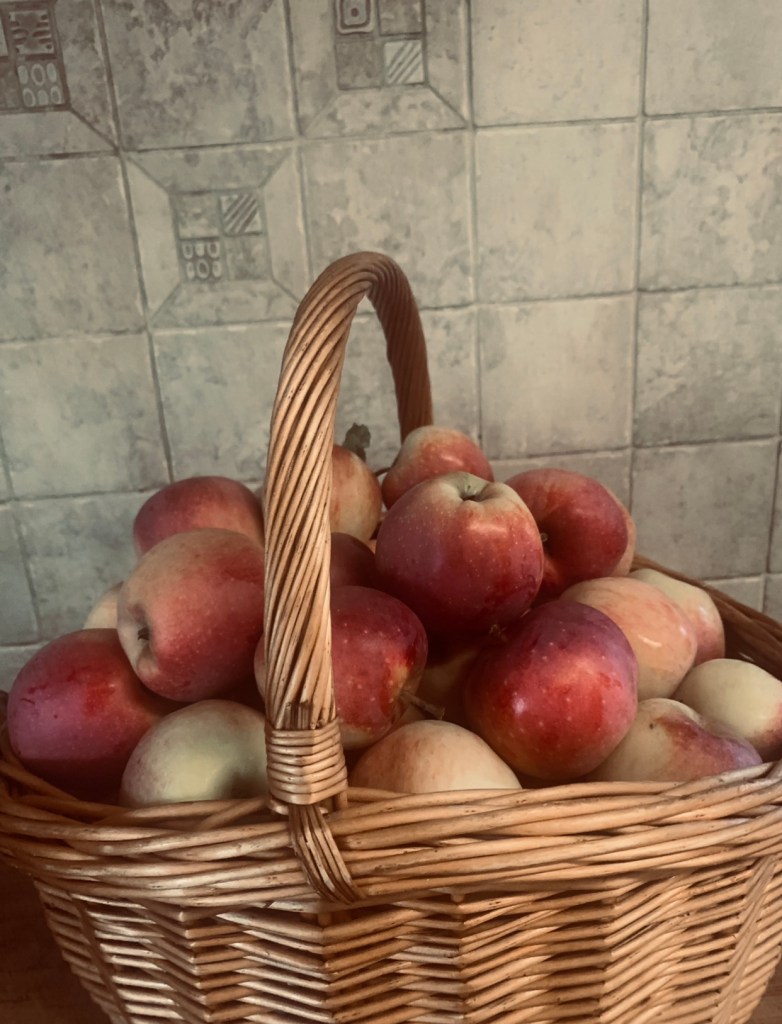
Yet another annual reminder of why the apothēcary shelves are restocked with various Apple Cider Vinegars (yes, thats right.. 3-ways to optimise those medicinal benefits from this one batch of apples, as we shall see!), fresh from my gardens’ September harvest.
The truth is, Apple Cider Vinegar is by far the most reliable of the ‘go-to’ keepers that is guaranteed to make a re-appearance through the seasons, not just for defence arriving alongside the inevitable boom of local sneezes & snivels (which is a given), but also for its wonderful versatility for so many different conditions.
Genus: Mallus Mill. Family: Rosaceae. Common Name: ‘Apple’
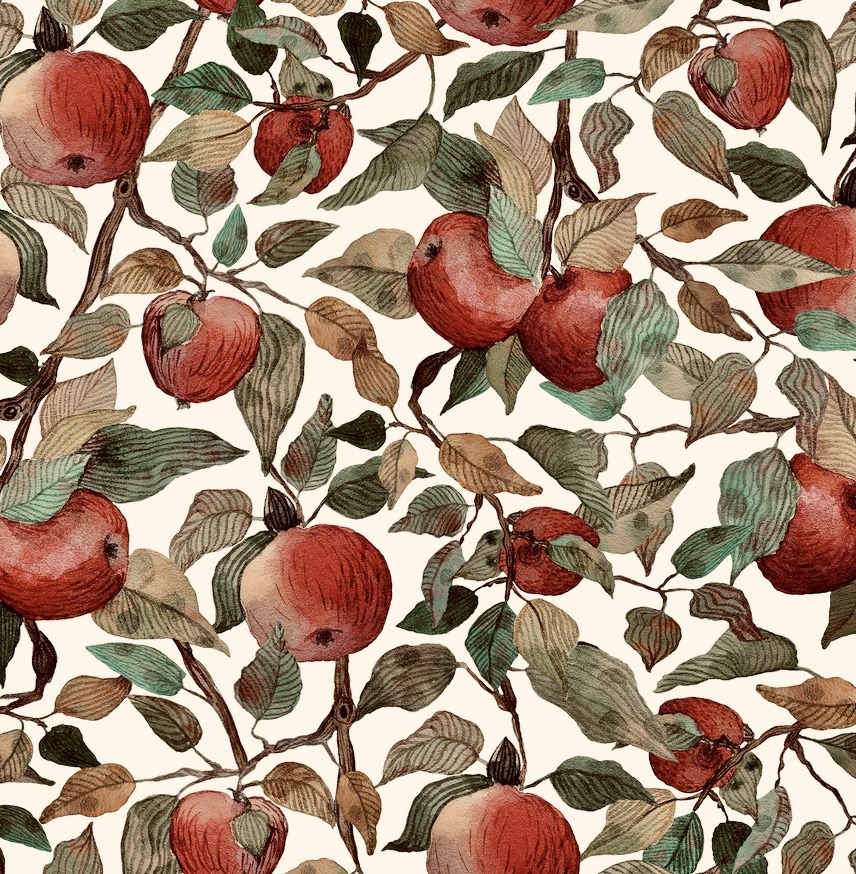
Botanical Profile Surely not, right? Wrong!! ..Deciduous trees, small or medium-sized with dark green leaves generally oval shaped with serrated edges1 . Bears clusters of white and pinkish five-petalled flowers during May-June, commonly known as blossom. Species will determine sweeter or sour taste of fruits, with carpels once developed holding dark brown seeds2.
Key Phyto Profile Polyphenols and several flavanoids: acetic acid, gallic acid, tyrosol catechin, epicatechin, benzoic acid, vaninilin, caftaric acid, coutaric acid, caffeic acid, acid and ferrulic acid, quercetin, vitamins and minerals (vitamin C, vitamin E and the B vitamins B1, B2 and B6) 3.
Key Medicinal Actions Antimicrobial 4 (Antibacterial 5 & Antifungal 6), Neuroprotective Antioxidant 7, Probiotic, Antiinflammatory 8, Anticancer 9.
Some major bioactive phytomedical contributors:
Apples are packed with bioactive compounds polyphenols and flavonoids which are well known to reduce inflammation, slows some diseased cell growth, and can help in controlling new blood vessel formation 10.
Apple cider vinegar (ACV), has been long been studied as a potential preventive agent with possible roles considered in the studies of aging, neurodegenerative disorders, and failure of the antioxidant defence system11.
The conversion of sugars from the apple into ethanol by the yeast in ACV, takes place during fermentation, then further into acetic acid bacteria, oxidising ethanol into acetic acid.
The process of fermentation in Apple Cider vinegars can improve the absorption of some acids that can be highly medicinal 12, 13.
Furthermore., whilst the medicinal value seems to be owed to the combination of the phyto-ingredients and phenolic compounds that ACV’s have in their structure, both antioxidant and probiotic properties of ACV are shown to be increased where ‘the mother’ is part of its process, which is then known as unfiltered 14.
Findings have shown improved regulation in gut flora by controlling the digestive pH, in response to organic acids of fruit vinegars. Attachment and colonisation of pathogenic and invasive microorganisms were shown to be inhibited by the organic acids, but it was also demonstrated that the vinegars promoted pancreatic activity, whilst exerting a positive trophic effect on the innermost layer of the gastrointestinal tract 15.
Studies continue to show that ACV has demonstrated multiple antimicrobial potential against common gram negative infections such as Escherichia coli, Staphylococcus aureus, and Candida albicans with clinical therapeutic implications4. ACV has shown antioxidant properties16, beneficial for mitigating oxidative stress that we know if is persistent, carries high risk of leading to formation of serious disease17. Therefore, there is some good clinical evidence that ACV properties can help to protect against developing chronic diseases, including cancer 9, 18.
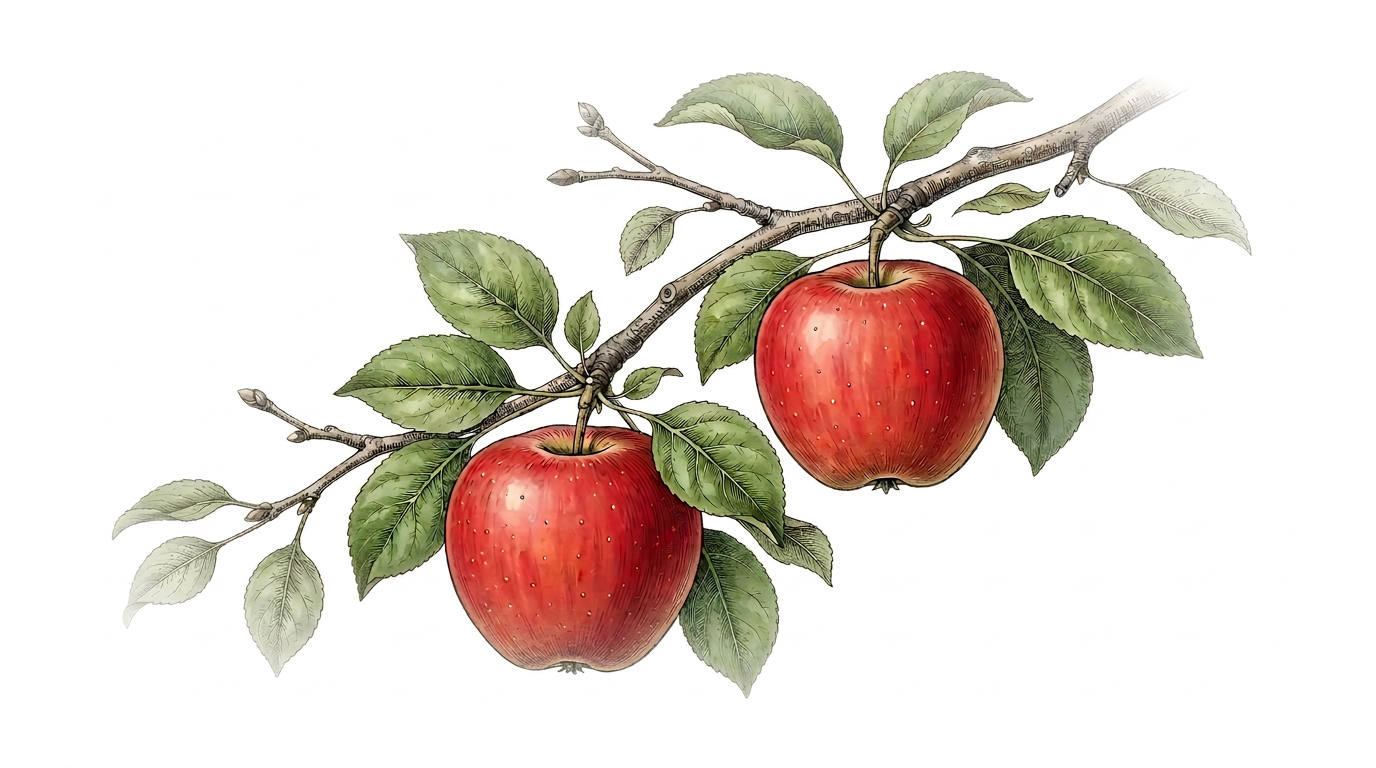
Some interesting notes, different varieties of the apple will of course influence factors such as the acidity, aromatic volatiles, polyphenolic, and organic acids and therefore will slightly alter the medicinal profile of the vinegar 19.
Studies find that Red Delicious, followed by Starking Delicious vinegars, displayed stronger antioxidant activity. A separate study shows that ACV made from Golden Delicious exhibited significantly higher anti-inflammatory and remarkable antimicrobial activities, whereas with their high phenolic content Red Delicious and Gala vinegars significantly inhibited lipid oxidation. This membrane-protecting mechanism highlights their potential medicinal, value in defending against disease 19.
Fire Cider Vinegar
Traditionally, herbal recipes for Fire Cider Vinegar might include Cayenne as antimicrobial, decongestant and Antioxidant20, 21, Anti-inflammatory Turmeric 22, Allium family Garlic and Onion for a Mucolytic 23, 24, Antimicrobial and Antiviral… Thyme (Thymus vulgaris) ..a Respiratory Antiseptic, Expectorant and Antitussive 25, 26, then maybe a (local?) honey for more antimicrobial and immune support? 27.
How far you go with your vinegar once its processing time has passed, is up to you and based of course on your intended use for it.
As its name suggests, fire cider is about adding a little extra at the times when it is most needed.., or even before. Perhaps some punchy analgesic., antiinflammatory, and., possibly a little depurative action for some well-earned detox?
In other words though., we’re adding specific herbal ingredients, to capture what we know are their natural medicinal qualities for infusing into the vinegar.
And that’s a great place to start.
Make thy Medicine Apple Cider Vinegars.

Four Thieves Vinegar
There are many myths and legend(s) of Four Thieves Cider Vinegar, some providing more romantic accounts than others. So too are the many documented in their recorded ingredients. Some are as simple as 5-6 classic ingredients such as garlic, sage, rosemary, thyme, peppermint and juniper.
Infamously, the vinegar is said to have been named from its history during the time of the Great Plague of Marseille in 1720. Four looters dousing themselves in the vinegar concoction by means to protect themselves from contracting the disease whilst looting the bodies and homes of the people who had died from it 28, 29.
However, perhaps the most reputable historical source for Four Thieves Vinegar, is French chemist René-Maurice Gattefossé’s 1937 landmark book, Aromatherapie, that documented an official recipe decree originally posted on the city walls of Marseilles. While the formula was formally recognised as a legitimate antiseptic in the 1748 French Pharmacopoeia under the name Acetum Quatuor Furum 30, modern historians note that its medieval ‘Black Death‘ origin story is largely., a myth.
“Take three pints of strong white wine vinegar, add a handful of each of wormwood, meadowsweet, wild marjoram and sage, fifty cloves… and three large measures of camphor.” René-Maurice Gattefossé, 1937 31.
Nevertheless, the herbal ingredients that have emerged through each of these accounts, were certainly chosen with the intent of packing a punch for those medicinal actions necessary in times of great need, opting to include those such as known for antimicrobial, antioxidant, and antiviral qualities, whilst also highly repellent against fleas!
Similarly, the version of the vinegar that I am using on the supporting media here, is with herbs closer to those based on René-Maurice Gattefossé’s documented recipe. However, as with the case of fire cider vinegar, I’m always happy to interchange these with whatever energy the situation is calling for, and I consider both recipes definitely worth having that valuable spot in my apothēcary.
So, finally., after a long wait.. we can finally bottle it up., and now our vinegar is good to go again. This will be seeing us all the way through this year’s round of common culprits, or potentially just to take ahead of some of those highly risky environments we find ourselves in occasionally.
As many know from my previous posts about ACV.. it really is relatively simple to prepare, aside from the most difficult parts being a long wait for fermentation.
However, if us herbalists are not anything., then from seed to growth my goodness are we patient!!
You will need:
Apples – (skins, cores & all), Jar, Muslin, and lots & lots of fermentation time.. (or indeed a local apothēcary!!).

Reference
1. Royal Horticultural Society. (2026) Malus domestica F. [Online] Available from: https://www.rhs.org.uk/plants/60558/malus-domestica-f/details Accessed: 13/10/2026.
2. Woodland Trust (No date) [Apple: Malus x domestica]. Available at: https://www.woodlandtrust.org.uk/… Accessed: 13/10/2026.
3. del Campo, G., Berregi, I., Santos, J. I., Dueñas, M. & Irastorza, A. (2008) Development of alcoholic and malolactic fermentations in highly acidic and phenolic apple musts. Bioresour Technol. 99, 2857–63 (2008)
4. Yagnik, D., Serafin, V. & J. Shah, A. (2018) Antimicrobial activity of apple cider vinegar against Escherichia coli, Staphylococcus aureus and Candida albicans; downregulating cytokine and microbial protein expression. Sci Rep 8, 1732.
5. Yılmaz, N. & Kaya, M.O. (2025). Antimicrobial Efficacy of Four Thieves Vinegar Against Pneumonia-Associated Respiratory Pathogens: A Sustainable and Edible Disinfectant Approach. Türkiye Tarımsal Araştırmalar Dergisi. 12. 36-43. 10.19159/tutad.1625331.
6. Mota, A. C. et al. (2015) Antifungal Activity of Apple Cider Vinegar on Candida Species Involved in Denture Stomatitis. J Prosthodont. 24(4), 296–302.
7. Jomova, K. et al (2024) Several lines of antioxidant defense against oxidative stress: antioxidant enzymes, nanomaterials with multiple enzyme-mimicking activities, and low-molecularweight antioxidants. Arch Toxicol 98:1323–1367.
8. Tripathi, S. (2023) Health benefits and modern applications of apple cider vinegar: a four-decade review of the scientific literature. Br J Med Health Sci 5:8.
9. Truong, T. T., Singh, A. A., Tak, S., Na, S., Choi, J., Oh, J., & Mondal, S. (2025) Plant-derived antioxidants as modulators of redox signaling and epigenetic reprogramming in cancer Cells. 8(24):1948.
10. Patel, R. V., Mistry, B. M., Shinde, S. K. et al (2018) Therapeutic potential of quercetin as a cardiovascular agent. Eur J Med Chem 155:889–904.
11. Mumtaz, S., Ali, S., Tahir, H.M., Kazmi, S.A.R., Shakir, H.A. & Mughal, T.A., et al. (2021) Aging and its treatment with vitamin C: a comprehensive mechanistic review. Mol Biol Rep. 48:8141–8153.
12. Dimidi, E., Cox, S.R., Rossi, M. & Whelan, K. (2019) Fermented foods and gut microbiota. Nutrients 11:1806.
13. Marks, S.C., Mullen, W. & Crozier, A. (2007) Flavonoid and chlorogenic acid profiles of English cider apples. J SciFood Agric 87(4):719–728.
14. Xia, T., Zhang, B., Duan, W., Zhang, J. & Wang, M. (2020) Nutrients and bioactive components from vinegar: a fermented and functional food. J Funct Foods 64:103681.
15. Dibner, J.J. & Buttin, P. (2002) Use of organic acids as a model to study the impact of gut microflora on nutrition and metabolism. J Appl Poult Res.11:453–463.
16. Singh, A.S., Singh, A., Vellapandian, C., Ramaswamy, R. & Thirumal, M. (2023) GC-MS based metabolite profiling, antioxidant and antiurolithiatic properties of apple cider vinegar. Future Science OA 9(4):FSO855.
17. Kumari, S., Badana, A.K., Murali, M.G., Shailender, G. & Malla, R. (2018) Reactive oxygen species: a key constituent in cancer survival. Biomarker Insights.
18. Abd El-Baky, H.H., El-Baz, F.K. & El-Baroty, G.S. (2010) Enhancing antioxidant availability in wheat grains from plants grown under seawater stress in response to microalgae extracttreatments. J Sci Food Agric 90(2):299–303.
19. El Abdali, Y., Saghrouchni, H., Kara, M., Mssillou, I., et al. (2023) Exploring the Bioactive Compounds in Some Apple Vinegar Samples and Their Biological Activities. Plants (Basel). 2023 Nov 14;12(22):3850.
20. Mattruti, A., Tjandra, L., Aska, A. & Wulandari, A. (2025). Anti-Inflammatory Effects of Cayenne Pepper Extract on Wound Healing. GSC Biological and Pharmaceutical Sciences.
21. Couroux, P., Ismail, B., Houtman, D . et al. (2019) Capsaicin Nasal Spray Showed Significant And Rapid Relief In All Nasal Symptoms In Subjects With Non-Allergic Rhinitis. Journal of Allergy and Clinical Immunology, Volume 143, Issue 2, Supplement.
22. Maqsood, S., Awlqadr, F.H., Ullah, I., Arshad, M.T., Parveen, H., Mukhtar, S. & Laryea, E. (2026) A Review of Curcumin in Chronic Disease Management: Anti-Inflammatory Pathways, Antioxidant Activity, and Therapeutic Advances. J Nutr Metab.
23. Huang, J., Trych, U. & Marszałek, K. (2026) Unraveling Health Benefits of Garlic (Allium sativum L.): Investigating the Influence of Processing Methods. Compr Rev Food Sci Food Saf. 2026 Jan;25(1):e70357.
24. Gupta, A., Supriya, K., Sairam, V. & Mahajan, V. (2025). Onion nutritional and nutraceutical composition and therapeutic potential of its phytochemicals assessed through preclinical and clinical studies. Journal of Functional Foods.
25. Karadağ, A.E., Baydar, R. & Demirci F. (2026) Mechanistic evaluation of the in vitro antiviral and anti-inflammatory potential of thyme and licorice herbal preparation. Sci Rep. 2026 Jan 28;16(1):6487.
26. Uğur, Ö., Züleyha, G. & Zeliha, C. (2026) The effect of thyme oil on asthma symptoms and respiratory parameters in patients with asthma: a single-blind randomised controlled trial. Journal of Herbal Medicine, Volume 56, 2026.
27. Mohamed, G., et al (2025) Health benefits of honey: A critical review on the homology of medicine and food in traditional and modern contexts. Journal of Traditional Chinese Medical Sciences,Volume 12, Issue 2, 2025, P.147-164.
28. Shelton, T.V., (2019) Nature’s own remedies: Chinese Medicine in progressive era America. Pacific Historical Review, 88(3): 378-409.
29. Kelley, G. (2020) Doctor Beaky, the four thieves, and de fabulis pestis. Contemporary Legend Series 3, 10: 48- 72.
30. Warolin, C. (2010) La pharmacopée opiacée en France des origines au XIXe siècle. In : Revue d’histoire de la pharmacie, 97e année, N. 365, 2010. pp. 81-90.
31. Tisserand, R. B (ed.) (1993) Gattefossé’s Aromatherapy: Aromathérapie Gattefosse, R.M. (1937). Penguin Random House.
Taxonomy: POWO (2026). “Plants of the World Online”. Facilitated by the Royal Botanic Gardens, Kew. Published on the Internet; https://powo.science.kew.org/.
Whilst every care is taken to ensure accurate, reputable and the most recent sources and research for this information, this content is not intended as substitute for advice or treatment from a professional clinician. As with conventional medicines, herbal and natural medicines have active ingredients and can have potent effects and interactions with the body, medications, and with other conditions. Especially for those who are taking prescription or over-the-counter medications, it is advised to consult a professional herbalist or medical doctor before beginning any herbal, supplement or lifestyle program. Care and responsible administration is always strongly advocated.
Apothēcary of Botanical Medicine
South Westminster Centre For Health, 82 Vincent Square, London SW1P 2PF
07873 268646

