Seasonal Herbal Medicine.
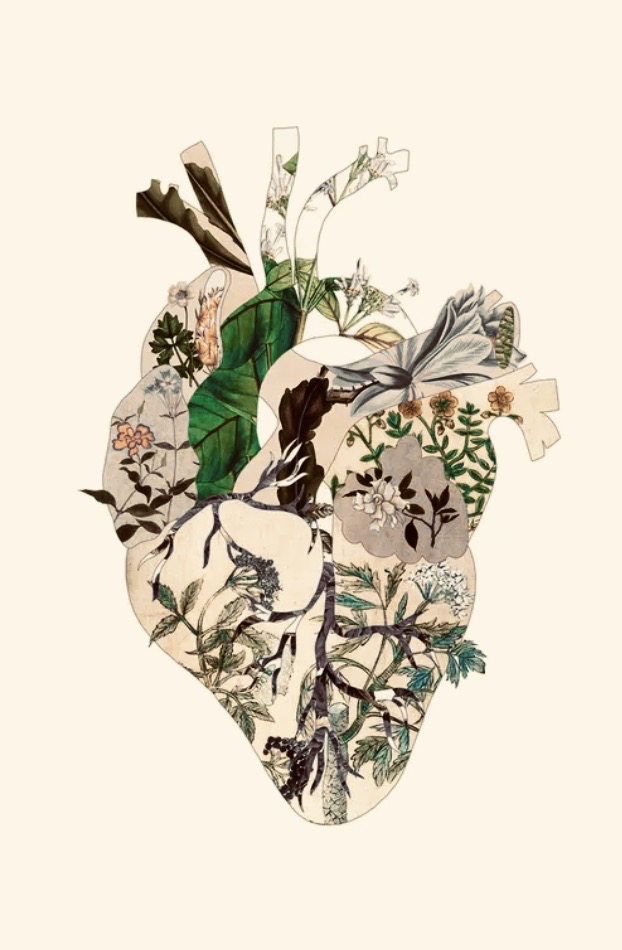
Valentines Day..,
..the time of year that we celebrate a recognition of those qualities held in another., that attracts and draws people together…
Love is certainly in the air. And, like bread is for butter…, those herbs don’t mind a good pairing every now and then too…
Lemon & Ginger,
Rosemary & Thyme,
Turmeric & Black Pepper.,
Frankincense & Myrrh..
…See?
A note on Synergies.
In phytomedicine, these relationships known as synergies., are crucially important, mainly as the herbs will contain many constituents. In particularly for the herbal prescriber, we need to understand if., and when., there is a potential for this synergy between them., and what effect that will likely be.
When an herb is in contact with other herbs, there are various possible synergistic interactions…, including the enhanced effects or qualities of that specific herb making it a more potent medicine., or altering of the absorption of the plants’ valuable chemistry in the body, or even the dilution, or decrease and increase in any toxicity of the herb. Serious stuff, eh?
So., like us., we wonder… will they bring out and enhance the best qualities in each other., or will they suppress the others’ actions into that of a blithering wreck?
Actually., when it comes to matters of the heart… whether it’s just a little emotional uplifting, or ‘big-gun’ tough-talk cardiac strengthening … or perhaps the free-rad’ scavenging, clearing and tonifying…? …, there’s always a phyto’ for the job…
…in many instances., when we nourish the heart.., we nourish the soul .
See for yourself…
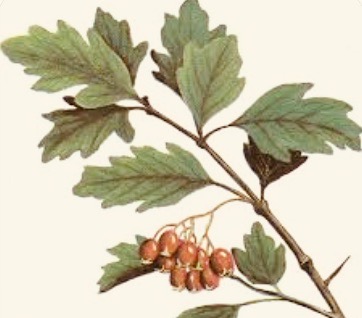
Botanical Name: Botanical Name: Crataegus laevigata (Poir.) DC. Common name: ‘Hawthorn’.
Botanical Profile Deciduous tree, found usually in woodland areas, bearing clustered white flowers in spring, and berry producing in Autumn. Leaves are usually shallowly 3-lobed to ± simple., or obtuse, mainly margin toothed 1a.
Medicinal Profile
Key Phyto Profile: Leaves and flower: Flavonoids, mainly in form of glycosides (e.g., vitexin, vitexin-2’’- rhamnoside, isovitexin, hyperoside, quercetin), flavan compounds, triterpenic acids, amines (e.g. phenethylamine, acetylcholine, ethylamine), organic Acids, purine derivatives, minerals) 1, 2, 3.
Medicinal Action Highlights: Crataegus laevigata has been effective treatment for earlier signs of reduced cardiovascular function, in particularly with presentation of fatigue or exhaustion on low exertion 3. It has been shown to support circulation; improving blood flow to the heart through vasodilation 4. Known as positively inotropic and negatively chronotropic 5, meaning it has been shown effective and as adjuvant treatment for palpitation and arrythmia, as well as both hypertension and hypotension respectively.
The relationship between the cardiovascular and the nervous system where anxiety is a factor is responded to beautifully by C. laevigata., which has demonstrated effective therapeutically in neurotonic conditions such as mild disordered sleep6.
To sum up this cardiac wonder-herb…, note it’s pathways and actions as antioxidant 7, therefore cardio-protective function for alpha tocopherol 8 and cardiac cells., stimulant of nitrous oxide synthesis making it vasorelaxant for smooth muscle, and hypotensive 9. As an anti-inflammatory., C. laevigata inhibits the release and synthesis of pro-inflammatory histamines, prostaglandins and leukotrienes, as well as inhibiting secreting leukocytes within the inflammation process 10.
Various pathways involving regulation of lipoprotein lipase expression 11, and the upregulation of Cholesterol 7 α-hydroxylase 12, 13 make it supportive against atherosclerotic conditions, or hardening of the arteries.
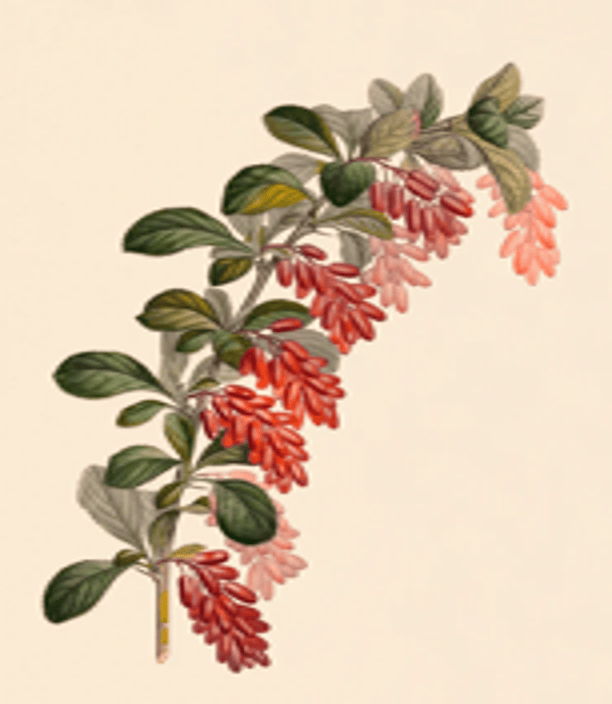
Botanical Name: Botanical Name: Berberis vulgaris L. Common name: ‘Barberry’.
Botanical Profile A 6 to 10ft deciduous shrub, branching outwardly into its arching, or pendulous form. Leaf in tufts from axils of a three-parted spine as thin, oval or obovate, with fine toothed margins. Produces flowers in pendulous raceme and 1⁄2 inch berries 14a.
Key Phyto Profile: Flavonoids (anthocyanins), various phenolic compounds, organic acids, protoberberines, and alkaloids14.
Medicinal Profile
Medicinal Action Highlights: Berberis vulgaris has been studied extensively over the years in cardiac medicine for its actions as hypotensive, anti-inflammatory, anti-arrhythmic and cardioprotective effects 15. Its inotropic effects (ability to affect the force of the heart muscle contraction), as well as being a potent diuretic, makes it in some parts of the world, a frequent therapeutic for Congestive Heart Disease 16.
Studies have found evidence suggesting that administration of Berberis vulgaris over 3 months, significantly improved total antioxidant capacity, blood lipids and lipoproteins, as well as glucose in patients with Type II Diabetes 17, 22.
Whilst studies looked to the effects resulting from the high levels of anthocyanins as well as berberine, a further study shows that a daily dietary intake of Barberry, also reduced blood sugar in Type II Diabetes, as well as lowering systolic and diastolic blood pressure, and blood lipids (or essentially fatty substances in the blood and tissues) 18. Barberry fruit extract was also found to significantly decrease and inhibit capillary permeability.
Hypoglycaemic effects are thought to be due to improved insulin sensitivity, inhibition of glucogenic enzymes with delayed absorption of carbohydrates and an increased cellular glucose uptake 19.
Cardioprotective actions have been found in another 6-week trial in patients with metabolic syndromes, finding that daily administration of barberry in form of capsule, was able to reduce oxidative status 20, 21. It is well documented that the pathway for a highly cytoprotective and antioxidant action (particularly desirable for a happy heart), is largely due to anthocyanins and carotenoid pigments 22, 23.
Both the leaves and fruit of Barberry., [that have an increased flavonoid content], show antioxidant action from a study with DPPH free radical scavenging assay 24, whilst as well as leaf, the root and twig also show scavenging effects on the DPHH free radical 25.
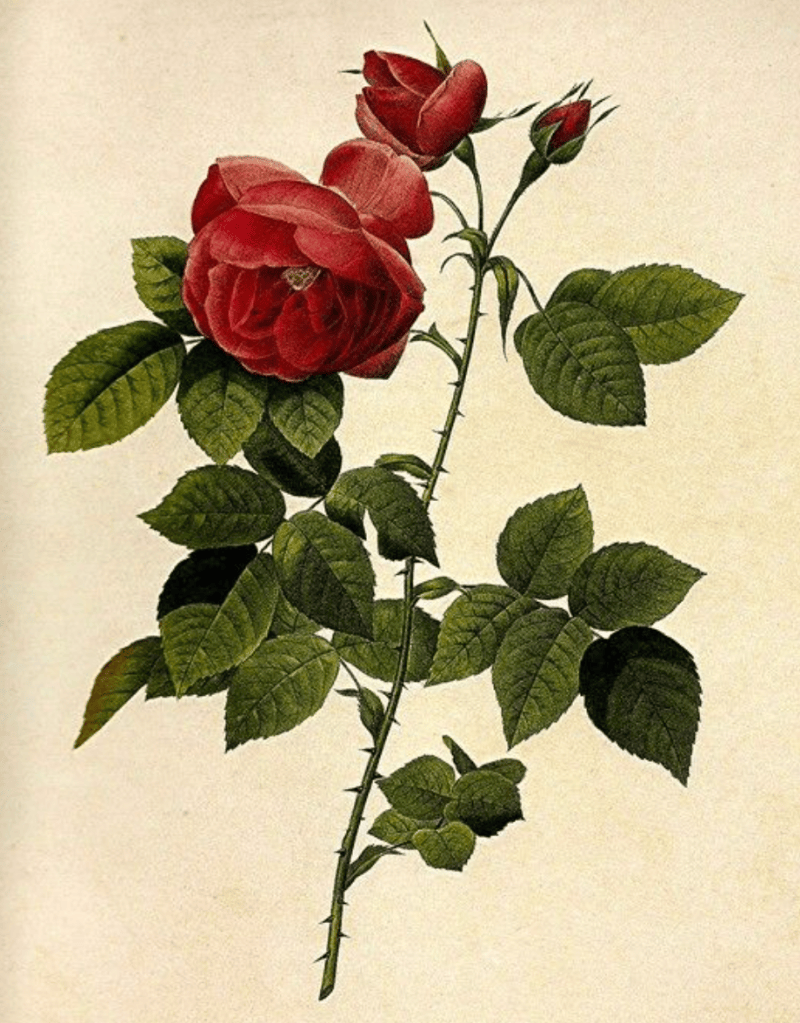
Botanical Name: Rosa × damascena Herrm. Common name: ‘Rose’.
Botanical Profile Robust betw. 1-2m, with alternate, waxy compound leaf. Bears 3-10 flowers in a terminal raceme inflorescence, of pink or red. Fruit is ovoid hip containing seeds 26a.
Key Phyto Profile: Flavonoids, glycosides, terpenes, anthocyanins through various parts, major active phenolic compounds incl. cyanidin 3, quercetin and gallic acid. Vitamin C, A, B1, B2, B3 and K, tannins and carotenoids. Volatile Oil: β Citronellol, geraniol and henicosane 26, 27.
Medicinal Profile
Medicinal Action Highlights: Documented cardiac pharmacological effects of Rosa Damascena include as hypnotic, analgesia, neuroprotection; anti-convulsion, cardio-protection, bronchodilator, antimicrobial, anti-inflammation, anti-oxidation and anti-diabetes 28, 29.
A vast historical medicinal position in Eastern, Unani and Western traditions of Cardiac medicine. Studies relate to the inotropic and chronotropic actions and uses in reducing high blood pressure, inflammatory conditions as cardioprotective., and for the management of Diabetes 30. It was shown that oral administration of R. damascena inhibited α-glucosidase enzyme, slowing down absorption of carbohydrate from small intestine, and resulting in reducing the effect of postprandial hyperglycaemia levels 30.
A study of antioxidative qualities found that both the leaves and petals of R. damascena displayed activity comparative to protective tocopherol, in prevention against disease caused by free radicals 31.
Indirectly., Rosa damascena is known for exhibiting hypnotic, anxiolytic and analgesic actions., that soothes the angst nervous system that is caused, or even contributor to cardiovascular health, [and not overlooked]. A study found that a significant majority of hospitalised patients, particularly patients who are hospitalised in coronary care units (CCU), have some degree of sleep disorders for example 32.
An increased sympathetic activity is generally associated with disordered sleep, and can therefore largely be associated with a subsequent increase in blood pressure and heart rate, and therefore., to an increased risk for developing cardiovascular conditions.
Consequently, improving sleep quality in cardiac patients specifically., is a matter of high importance.
Rosa damascena in the form of aromatherapy in a clinical research study., significantly reduced sleep latency and sleep disturbances, and significantly improved the duration of sleep, the efficiency, and the subjective quality. The study also revealed that the mean score of the daytime dysfunction domain (effect that it had on the waking hours) in the experimental group was significantly improved following R. damascena therapeutic applications 33, 34.
On an emotional level., Rosa damascena can also be a supportive aid in times of low mood., more usually associated with sadness and loss., and often said to provide the thorn-like qualities of the rose itself., that are needed at the time to protect a heart that is in grief., wounded or is needing to keep external energies at safe distance, during the time of sadness.
Rosa damascena has hypnotic, sedative, and anticonvulsive effects on the central nervous system. Studies have shown that Rosa damascena alleviates anxiety and promotes relaxation 26, 35.
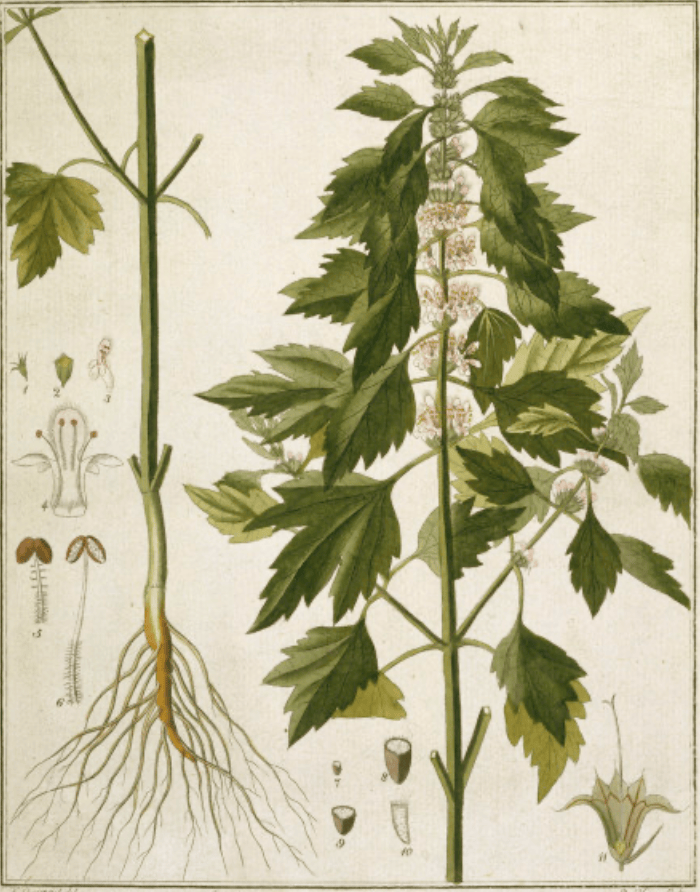
Botanical Name: Leonorus cardiaca L. Common name: ‘Motherwort’.
Botanical Profile Fibrous-roots and ± clustered stems, glabrous on one side or sub-glabrous. Mainly palmate leaf, with coarse-toothed blade 5–10 cm. Flowers are sessile, around 12mm rose or white corolla 36a.
Key Phyto Profile: Flavonoids (e.g., flavanols such as quercetin and rutin, flavones such as genkwanin and apigenin, and their relative glycosides) 36.
Medicinal Profile
Medicinal Action Highlights: L. cardiaca has an extensive documentation in cardiac Herbal Medicine, for both its emotional as well as pathological attributes for the heart conditions. Traditionally, Leonorus cardiaca is vastly documented as a general cardio tonic– generally to support cardiovascular function 37, 38, as a circulatory stimulant and diuretic to manage oedema, and in Chinese Medicine to promote longevity and strengthen the heart 39. However, over the years, more and more research and literature not only confirms this, but also supports the herbs’ speciality as sedative, hypotensive, indication for neuropathic cardiac disorders and the cardiac complaints of nervous origin 40. Some literature states that it has a place in treatment of neuroregulatory related disorder of heart function (e. g. thyroid hyperfunction, where in some parts of the [Eastern] world., it is frequently indicated as ‘adjuvant in hyperactivity of the thyroid’ 38, 40 and ‘Tachycardia associated with hyperthyreosis’ 41, 42. However., in many texts this is later corrected with findings that: “L. cardiaca has no thyreostatic activity” 43. Therefore, this affinity for thyroid pathology, cannot currently be supported by any clinical data.
As antioxidant potential, research has frequently shown that extracts from L. cardiaca are valuable sources of enzyme inhibitory agents, therefore the purified extracts of L. cardiaca may be a potential for the management of blood glucose levels in Diabetes Mellitus patients, following a carbohydrate-rich diet 44.
An interesting study might help to summarise the pathways of how Leonorus cardiaca may work with an anxiolytic or nervous condition, effecting the systems of the body. The clinical study by Ovanesov (2005) is based on the principle that when a young individual is within an enhanced anxiety state, there is a significant difference in the ability of colour discrimination function in the retina of the eye 45. The experimental conditions treated these patients with a chronic administration of tofisopam (grandaxin) or tinctura leonuri. Findings reported tinctura leonori to have decreased the anxiety, and significantly improved the colour discrimination function of the retina, with respect to all parameters studied. The concluded pathways of action related to activity on the GABAergic processes., both in the retina and in the related cerebral structures.
A similar study was repeated, using instead the administration of melatonin whilst measuring thresholds of retinal brightness sensitivity that has been associated with improved emotional state, in anxious young subjects. The effects were still significantly noted (although less than in previous study) with the treatment with tinctura leonuri 46. This creates a picture for where Leonorus cardiaca can be of value where nervous states begin to present at multi-level in the body.
L. cardiaca has many qualities that might usually be associated with stress-protective, and even as far as being alike to adaptogenic medicines., oweing to various compounds such as apegenin and iridoids that are responsible for the sedative and calming effects of the herb, and in many cases, a great potential for neurasthenia accompanied by insomnia 47.
Toxicity: Contraindicated during pregnancy, and in lactation should be avoided 48. Considered for presence of contained cardiac glycosides’ potential case of a cross-reaction with some over-the-counter containing heart medication., although only one possible report worldwide, therefore remains inconclusive 49. Due to contained coumarin, it has been considered as with caution for people who are on anticoagulation medications, however again there is no documented evidence to support this 50, 51. Some evidence suggesting that L. cardiaca may potentiate some analgesic and sedative medications 48.
References
1a. Botanical Society of the British Isles (1982) In association with National Museums & Galleries of Wales Plant Crib edited T. C. G. Rich & A. C. Jermy. P.
1. European Medicines Agency (2016) Assessment report on Crataegus spp., folium cum flore Final. Committee on Herbal Medicinal Products (HMPC) EMA/HMPC/159076/2014, 5 April 2016.
2. Edwards, J.E., Brown, P.N., Talent, N., Dickinson, T.A., Shipley, P.R (2012) A review of the chemistry of the genus Crataegus. Phytochemistry 2012, 79: 5-26.
3. Blaschek, W., Hilgenfeldt, U., Holzgrabe, U., Reichling, J., Ruth, P., Schulz, V. (2011) (editors) Hagers Enzyklopädie der Arzneistoffe und Drogen. Version 10.3. Springer Medizin Verlag, Heidelberg 2011.
4. Vierling, W., Brand, N., Gaedcke, F., Sensch, K.H., Schneider, E., Scholz, M. (2000) Investigation of the pharmaceutical and pharmacological equivalence of different Hawthorn extracts. Phytomedicine. 2003; 10: 8–16.
5. Schwinger, R.H.G., Pietsch, M., Frank, K., Brixius, K. (2000) Crataegus special extract WS 1442 increases force of contraction in human myocardium cAMP-independently. Journal of Cardiovascular Pharmacology. 2000;35(5):700–707.
6. Ripperger, W. (1937) Grundlagen zur praktischen Pflanzenheilkund. Hippokrates- Verlag HmbHerlag Georg Thieme. Stuttgart-Leipzig 1937, 272-274
7. Guo, C. (2003) Antioxidant activities of peel, pulp and seed fractions of common fruits as determined by FRAP assay. Nut Res. 2003; 23:1719–26.
8. Zhang, Z. (2000) Characterisation of antioxidants present in Hawthorn fruits. J Nutr Biol. 2000; 12:144–52.
9. Tsuyaki, R.T. (2021) β-Blockers for congestive heart failure. What is the current consensus? Drugs Aging.
10. Duke’s phytochemical and ethnomedicinal database (online). Available from URL: http:// http://www.as-grin.gov/duke/ index.html.
11. Fan, C., Yan, J., Qian, Y., Wo, X., Gao, L. (2005) Regulation of lipoprotein lipase expression by effect of hawthorn flavonoids on peroxisome proliferator response element pathway. J Pharmacol Sci. 2005; 100:51–8.
12. Zhang, Z. (2002) Hypercholesterolaemic activity of Hawthorn fruit is mediated by regulation of cholesterol 7 ά Hydroxylase and acyl CoA: cholesterol acyltransferase. Food Res Int. 2002; 35:885–91.
13. Schulz, H. (1919) Vorlesungen über Wirkung und Anwendung der deutschen Arzneipflanzen. Verlag Georg Thieme, Leipzig 1919, 254.
14. Imanshahidi, M., & Hosseinzadeh, H. (2008) Pharmacological and therapeutic effects of Berberis vulgaris and its active constituent, berberine. Phytother Res 2008; 22:999- 1012.
14a. International Dendrology Society (2021). Berberis vulgaris L
Trees and Shrubs Online. Hachette UK. Accessed: 02/02/2023
15. Guo, Z. B., Fu, J.G. (2005) Progress of cardiovascular pharmacologic study on berbamine. Zhong, Guo, Zhong, Xi, Yi, Jie, He, Za, Zhi. 2005; 25:765–768.
16. Zeng, X. H., Zeng, X.J., Li, Y. Y. (2003) Efficacy and safety of berberin for congestive heart failure secondary to ischemic or idiopathic dilated cardiomyopathy. The AM J Cardiol 2003; 92: 173-176.
17. Shidfar, F., Ebrahimi, S.S., Hosseini, S., Heydari, I., Shidfar, S., Hajhassani G. (2012) The effects of Berberis vulgaris fruit extract on serum lipoproteins, apoB, apoA-I, homocysteine, glycemic control and total antioxidant capacity in type 2 diabetic patients. Iran J Pharm Res. 2012; 11:643–52.
18. Lazavi, F., Mirmiran, P., Sohrab, G., Nikpayam, O., Angoorani, P., Hedayati, M. (2018) The barberry juice effects on metabolic factors and oxidative stress in patients with type 2 diabetes: a randomized clinical trial. Complement.Ther Clin Pract. 2018; 31:170–4.
19. Sarraf, M., Beig Babaei, A., Naji-Tabasi, S. (2019) Investigating functional properties of barberry species: an overview. J Sci Food Agric. 2019; 99:5255–69.
20. Cheng, F., Wang, Y., Li, J., Su, C., Wu, F., Xia, W-H., et al. (2013) Berberine improves endothelial function by reducing endothelial microparticles mediated oxidative stress in humans. Int. J Cardiol 2013; 167:936-942.
21. Kong, W. J., Zhang, H., Song, D. Q., Xue, R., Zhao, W., Wei, J., et al (2009) Berberine reduces insulin resistance through protein kinase C-dependant up-regulation of insulin receptor expression. Metabolism 2009; 58:109-119.
22. Özgen, M., Saraçoğlu, O., and Geçer, E. N. (2012). Antioxidant capacity and chemical properties of selected barberry (Berberis vulgaris L.) fruits. Horticulture, Environment, & Biotechnology 53(6), 447-451.
23. Freile, M. L., Giannini, F., Pucci, G., Sturniolo, A., Rodero, L., Pucci, O., Balzareti, V., and Enriz, R. D. (2003). Antimicrobial activity of aqueous extracts and of berberine isolated from Berberis heterophylla. Fitoterapia 74(7-8), 702-705.
24. Hadaruga, D. I., Hadăruga, N. G., Rivis, A., Costescu, C., Ordodi, V. L., and Ardelean, A. (2010). Berberis vulgaris extract/beta-cyclodextrin nanoparticles synthesis and characterization. Revista de Chimie 61(7), 669-675.
25. Končić, M. Z, Kremer, D., Karlović, K., and Kosalec, I. (2010). Evaluation of antioxidant activities and phenolic content of Berberis vulgaris L. and Berberis croatica Horvat. Food and Chemical Toxicology 48(8-9), 2176-2180.
26. Boskabady, M. H., Shafei, M. N., Saberi, Z., & Amini, S. (2011) Pharmacological effects of Rosa damascene iran J Basic Med Sci, 14 (2011), p. 295.
26a. PlantUse English contributors. (2023) Rosa damascena (PROSEA) [Internet]. PlantUse English, ; 2021 Mar 7. Accessed: 02/02/2023.
27. Bani, S., Hasanpour, S., Mousavi, Z., Mostafa, G. P. & Gojazadeh, M. (2014) The effect of rosa damascena extract on primary dysmenorrhea: a double-blind cross-over clinical trial. Iran Red Crescent Med J, 16 (1) (2014), p. e14643.
28. Loghmani-Khouzani, H., Fini, O. S., & Safari, J. (2007) Essential oil composition of Rosa damascena mill cultivated in Central Iran. Sci Iran, 14 (Jul-August (4)) (2007), pp. 316-319.
29. Kalim, M. D., Bhattacharyya, D., Banerjee, A., & Chattopadhyay, S. (2010) Oxidative DNA damage preventive activity and antioxidant potential of plants used in Unani system of medicine. BMC Complement Altern Med, 10 (1) (2010), p. 1.
30. Gholamhoseinian, A. et al. (2008) The inhibitory effect of some Iranian plants extracts on the alpha glucosidase. Iran J Basic Med Sci 2008; 11: 1–9.
31. Shahriari, S. et al. (2007) In vivo antioxidant potentials of Rosa damascene petal extract from Guilan, Iran, comparable to alpha-tocopherol. Int J Pharmacol 2007; 3: 187–190.
32. Wenham, T., & Pittard, A. (2009) Intensive care unit environment. Contin Educ Anaesth Crit Care Pain, 9(2009), pp. 178-183.
33. McKinley, S., & Cistull, P. (2011) The quality and duration of sleep in the intensive care setting: an integrative review Int J Nurs Stud, 48 (2011), pp. 384-400.
34. Hajibagheri, A., Babaii, A., & Adib-Hajbaghery, M. (2014) Effect of Rosa damascene aromatherapy on sleep quality in cardiac patients: A randomized controlled trial. Complementary Therapies in Clinical Practice, Volume 20, Issue 3,2014, P159-163.
35. Davoodi, I., Rahimi, R., Abdollahi, M., Farzaei, F., Farzaei, M.H., Memariani, Z., Najafi, F. (2017) Promising effect of Rosa damascena extract on high-fat diet-induced nonalcoholic fatty liver. J Tradit Complement Med. 2017 Feb 13;7(4):508-514.
36. Bradley, P. R. (1992) British Herbal Compendium Volume 1. British Herbal Medicine Association, Bournemouth, 161-162.
36a. WFO (2023): Leonurus cardiaca L. Published on the Internet;
http://www.worldfloraonline.org/taxon/wfo-0000224637. Accessed on: 12 Feb 2023
37. Wichtl, M. (Ed.) (2002) Teedrogen und Phytopharmaka. Wissenschaftliche Verlagsgesellschaft, Stuttgart, 384-385.
38. Wichtl, M. (Ed.) (2009) Teedrogen und Phytopharmaka. Wissenschaftliche Verlagsgesellschaft, Stuttgart, 384-385.
39. Godfrey, A., Saunders, P., Barlow, K., & Gowan, M. (2011) Principles and Practices of Naturopathic Botanical Medicine, Advanced Botanical Medicine. V3 CCNM Press, Toronto.
40. Kommission E (1986) Aufbereitungsmonographie Leonuri herba der Kommission E. Bundeanzeiger Nr. 50 vom 13.03.1986.
41. Weiss, R.F. (1974) Lehrbuch der Phytotherapie, 3rd ed. Hippokrates Verlag, Stuttgart, 191, 306.
42. Weiss, R.F. (1980) Lehrbuch der Phytotherapie, 4th ed. Hippokrates Verlag, Stuttgart, 218-219, 342.
43. Weiss, R.F. & Fintelmann, V. (1997) Lehrbuch der Phytotherapie, 8th ed. Hippokrates Verlag, Stuttgart, 151, 196-197.
44. Spinozzi, E., Maggi, F., Sagratini, G., Caprioli, G., Borsetta, G., A. K., Sinan, K.I., Zengin, G., Arpini, S., Mombelli, G., & Ricciutelli, M. (2021) Phytochemical Profile and Biological Activities of Crude and Purified Leonurus cardiaca Extracts. Plants 2021, 10, 195.
45. Ovanesov, K.B. (2005) The effect of tofisopam and tinctura leonuri on the color-discrimination function in young humans. Eksperimental’naia i klinicheskaia farmakologiia; 68:56-59.
46. Ovanesov, K.B, Ovanesova, I.M., & Arushanian, E.B. (2006) Effects of melatonin and motherwort tincture on the emotional state and visual functions in anxious subjects. Eksperimental’naia i klinicheskaia farmakologiia; 69:17-19).
47. Ritter, M., Strahler, S., Kuchter, K., Schulte, J., et al. (2010) Cardiac and electro physiological effects of primary and refined extracts from Leonorus cardiaca L. (Ph.Eur.) Planta Med. 2010; 76:572-582.
48. Barnes, J., Anderson, L.A., Phillipson, J.D. (2007) Herbal Medicines, 3rd ed. Pharmaceutical Press, London, 447-4489
49. Remblier, C., Perault, M.C., Grisemann, E., Cante, J.P., Bru, P., & Vandel, B. (1999) Biocarde and arrhythmias: possible digitaline like effect of this drug? Therapie; 54:298.
50. Yarnell, E., Abascal, K. (2009) Plant coumarins: myths and realities. Alternative and Complementary Therapies; 15:24-30.
51. Harkness, R. & Bratman, S. (2003) Handbook of Drug-Herb and Drug Supplement Interactions. Churchill Livingstone, London, 76-77.
52. Krylow, J.F. (ed.) (1993) Registry of Medicinal Products of Russia (RMP). Inpharmchem, Moscow, 722- 723.
53. Botanical Information: WFO (2023): World Flora Online. Published on the Internet; http://www.worldfloraonline.org. Accessed on: 06 Feb 2023 and POWO (2026). “Plants of the World Online. Facilitated by the Royal Botanic Gardens, Kew. Published on the Internet; https://powo.science.kew.org/.
Originally published: 14/02/2023
This article was recently reviewed by author for accuracy and updated on 13th October 2026, to include the latest information and taxonomy.
Whilst every care is taken to ensure accurate, reputable and the most recent sources and research for this information, this content is not intended as substitute for advice or treatment from a professional clinician. As with conventional medicines, herbal and natural medicines have active ingredients and can have potent effects and interactions with the body, medications, and with other conditions. Especially for those who are taking prescription or over-the-counter medications, it is advised to consult a professional herbalist or medical doctor before beginning any herbal, supplement or lifestyle program. Care and responsible administration is always strongly advocated.
Apothēcary of Botanical Medicine
South Westminster Centre For Health, 82 Vincent Square, London SW1P 2PF
07873 268646

