Phytomedicine for cognitive health & dementia.
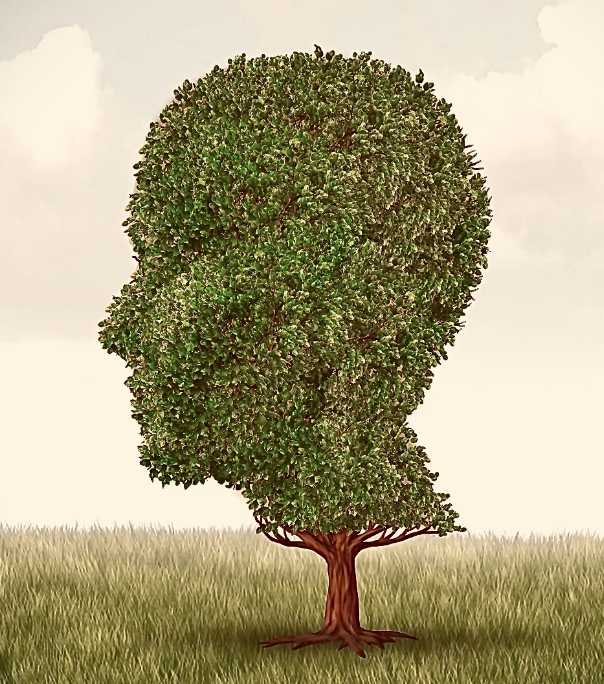
From an understanding of the pathophysiological map of cognitive decline and the dementia conditions, a therapeutic approach might focus on nutrition by means to better improve outcomes, and reduce or slow down progression of the dementia diseases.
Managing Lifestyle and reducing risk.
Lifestyle and diet are thought to be significant in both the prevention and the slowing down of dementia progression. Although precise mechanisms of these are not completely understood, it may be generally suggested that particular dietary constituents are able to influence neural resources, and enhance cognitive health and resilience 1.
Of all dementia cases, it has been suggested that 40% may be delayed or prevented through the targeting of modifiable lifestyle risk factors 2, and reflecting this, the role of dietary modifications as a significant lifestyle intervention shown to reduce the risk of developing cognitive decline or dementia, has been laid out by the World Health Organisation 3. Strategies from NICE (2015), state that successful prevention strategies for cardiovascular disease and stroke are likely to reduce the incidence of vascular, and mixed dementias 4. Finally, prevention is important, given the absence of effective treatments for Alzheimer’s disease (AD), and related dementia conditions 5.
Clinical background
Over the years, studies have continued to research the effects of diet and nutrition on neurological health and cognitive decline, giving rise to an increased demand for more precise assessment tools. Because traditional self-reported data often yields broad and inconclusive findings, past research has struggled to establish definitive causation, frequently concluding with nothing more than a marginal link between healthy lifestyles and reduced genetic dementia risk6.
This progress has driven the development of more sophisticated methods to measure the effects of lifestyle and diet. These include evaluating evidence-based modifiers of dietary impact on the brain (such as the gut microbiome), alongside utilising biomarkers of dietary intake and systemic response (e.g., endogenous metabolites). Furthermore, biological markers of brain ageing can now be analysed via urinalysis, genomics, and other accessible modalities to evaluate individual variance. This includes accounting for cultural differences and unique microbiota responses to specific nutrients and dietary patterns. A key example of this variance is documented in studies showing that individuals adhering to a vegan diet exhibit a distinct metabolic response to a protein-rich meal compared to those who do not follow a vegan pattern7. Consequently, such findings have highlighted the need for a precision-focused evidence base capable of accounting for these multifaceted variables, when evaluating the potential beneficial effects of specific nutrients on cognitive health and dementia.
Nutrients
To meet the constant, high energy demands of a metabolically active brain, the blood-brain barrier (BBB) tightly monitors the entry of nutrients and metabolites. This critical nourishment is facilitated by an intricate network of transport systems across the barrier 8, 9. It is critical for the brain to be continuously nourished and replenished with neuroprotective nutrients that reduce oxidative stress and cell injury 10. Much of this nutrition is not available de novo from the body and must be obtained through external source, e.g. our diet 11. This may be by way of dietary antioxidants, B vitamins, polyphenols, and polyunsaturated fatty acids (PUFAs) found in vegetables, legumes, fruits, whole grains, nuts, seeds, and red wine 12-14.
There is various evidence for the potential health-promoting effects of these nutrients. When consumed as part of the diet, they demonstrate numerous beneficial effects, such as lowering blood pressure and improving cerebral blood flow, outcomes that are particularly advantageous in reducing risks associated with vascular dementia 15, 16. They have also been shown to target the β-amyloid (Aβ) peptide oligomers and fibres that are associated with AD, and inhibits their formation 17. The beneficial effect of polyphenols in the ageing brain is suggested to be primarily related to their antioxidant and anti-inflammatory actions, which are significantly associated with a higher prevalence of dementia pathology 18.
Sources of brain-beneficial nutrient
Studies show neuroprotective qualities in vitamin E (plant oils, nuts, seeds, fruit and veg), folate, and carotenoids from green leafy vegetables, polyphenols from berries, and n-3 fatty acids or docosahexaenoic acid (DHA) found in fatty fish, such as salmon 19.
Monounsaturated fatty acids (MUFAs) found in olive oil, nuts, and seeds play an important role in inducing what is known as autophagy. This process functions to remove damaged and unnecessary parts of cells and contributes to reducing protein aggregates, whilst induction at the microglia ameliorates neuroinflammation due to degradation of the misfolded proteins. Crucially, the process of autophagy has been shown to be particularly impaired in AD development 20, 21.
Docosahexaenoic acid (DHA), found in fatty fish, has been shown to increase the production of the LR11 protein. Research shows that LR11 can reduce the formation of β-amyloid (Aβ), which represents a major toxic burden in AD 22. Consequently, impaired LR11 expression is considered a contributing factor to the development of the disease. Beyond its critical structural role within brain lipids, DHA also supports neuronal function and neurogenesis by modifying gene expression 23.
B vitamins
B vitamins have shown some significant beneficial contributions to reducing or slowing dementia development through various effects on processes such as amyloid aggregation, neurofibrillary tangle formation, impaired DNA repair and cerebral small vessel disease 26.
Over the years, numerous studies have identified high levels of the sulfur-containing amino acid homocysteine (Hcy) as a prominent risk factor for dementia 27. The B vitamins (e.g. B6, B12, folate), have an established effect in reducing Hcy levels, making them of high interest for a potential role in improving or slowing associated risks of both dementia and cognitive decline 28. Current literature on B vitamins for cognitive decline remains inconsistent and lacks clear conclusions. The data suggests that these vitamins may only provide value under highly specific conditions. While some trials reveal selective benefits that are strictly dependent on the stage of cognitive decline at administration, others show no significant therapeutic effect at all 29. Furthermore, several studies indicate that folate intake significantly exceeding the Dietary Reference Intake (DRI), whether from fortified foods or supplement, sin higher doses than the Daily Reference Intake (e.g. from food or supplements), may indeed be more detrimental to cognitive decline 30.
Antioxidants and Dementia
The mechanisms involved in the variations of the ageing process have been widely studied and theorised, with the oxidative stress and free radical theory being perhaps the most generally accepted 31.
As discussed above, antioxidants, polyphenols, B vitamins, MUFAs, PUFAs, and DHA contribute to reducing the incidence of systemic inflammation and oxidative stress, and are subsequently associated with a significantly reduced risk of dementia and AD 32.
Free radicals are highly reactive, unstable molecules produced during normal cellular metabolism as oxygen is utilised by the body 33. While a certain level of free radical production is standard during cellular processes, environmental factors also contribute to their accumulation. When these free radicals overwhelm the body’s natural defences, a state known as oxidative stress, they cause extensive damage to cellular structures and tissues. Over time, this damage drives disease progression, chronic illness, and ageing, becoming particularly problematic under conditions of cellular overload.
To reduce this state, there are sufficient defence mechanisms within the body, including metal chelation, enzymatic activity, and free radical scavenging. These are mediated by specialised ‘protector’ molecules known as antioxidants, which protect tissues by neutralising damaging free radicals 34. This ratio between free radicals and antioxidants is termed the redox balance 35. Antioxidant molecules, in short, may act through eliminating or inhibiting production of the free radicals to reduce oxidation, thereby reducing or delaying cellular damage 36.
Thankfully, the body produces several essential antioxidants, while specific internal defence mechanisms such as glutathione peroxidase, catalase, and cytochrome c, are designed to protect mitochondria from oxidative damage 37, 38.
Antioxidants may be supplemented, or are most frequently found in dietary plant foods. These nutrients have become critical as our best form of neuronal and disease protection, both in preventing and slowing the development of dementia and cognitive decline.
Certain groups of phytochemicals are recognised as being particularly important antioxidants. These include carotenoids (found in foods such as bell peppers, spinach, and kale), which are pigments present in fruits and vegetables that the body converts into vitamin A. Specific carotenoids such as lutein, zeaxanthin, and beta-cryptoxanthin have been shown to significantly reduce dementia risk and contribute to neuroprotective qualities 39.
Power of Polyphenols
Polyphenols represent another key phytochemical group naturally abundant in fruits, vegetables, nuts, seeds, grains, tea, onions, and red wine. 40, 41. These are further categorised into subgroups, depending on the phenol rings that they contain and based on chemically structural elements binding these rings. The main classifications, are the most studied groups of flavonoids, phenolic acids, stilbenes and lignans 42. These compounds are extensively documented to possess antioxidant and anti-inflammatory actions, making them highly beneficial for managing numerous chronic health and neuroinflammatory conditions 43.
Polyphenols are well-established for exerting robust neuroprotective properties. By modulating essential cellular pathways, including redox balance, differentiation, apoptosis, and proliferation, these compounds directly uphold neuronal integrity 44, 45.
Their role in protecting the ageing brain may partly be due to their antioxidant properties, which enable them to both scavenge free radicals directly and improve the endogenous defence system 46. Furthermore, the role of polyphenols in modulating the intestinal microbiota may modify the production of neurotransmitters and neuropeptides, providing an additional mechanism to influence brain function47.
These chemical groups are able to cross the blood-brain barrier 48. This is a requirement along with a reasonable level of bioavailability, for any compound intended to act as a neuroprotective agent. Furthermore, they have been associated with a capacity to modulate cell signalling pathways, such as serving as a key countermeasure against oxidative and xenobiotic stress via the Keap-ARE axis 49. This axis has been shown to respond to influence from the polyphenols epigallocatechin and quercetin, to decrease the oxidative burden 50.
The natural flavonoids myricetin, gossypetin, and catechins have been shown to suppress Aβ aggregation, scavenge free radicals, and inhibit enzymes central to AD pathogenesis 51.
Consequently, these polyphenolic compounds are extensively researched as promising therapeutic candidates against neurodegenerative dementias.
Quercetin and Curcumin Therapy?

A flavonoid group of the polyphenols, quercetin is found in plants such as asparagus, berries and apples 52. The compound is widely studied for its broad therapeutic value, which is attributed to its antioxidant effects, metal-chelating properties, and neuroprotective capacity 53, 54.
Curcuminoids are the active isolates of curcumin from turmeric. These are known as curcumin-I, desmethoxycurcumin (curcumin-II), and bisdemethoxycurcumin (curcumin-III). These are also well-established as antioxidants 55.
Both curcumin and quercetin, have shown various mechanisms in improving cognitive decline in Alzheimer’s and dementia related disease. The primary action and target for quercetin, is its ability to inhibit the activity of β-secretase enzyme BACE. This in turn disrupts the amyloid precursor protein (APP) processing, thus the biogenesis of β-amyloid in AD 55.
Curcumin has also been shown to exhibit this effect, whilst further may also contribute to clearing of its residue, reducing the Aβ aggregates forming 56. As potent anti-inflammatories, curcumin and quercetin are also able to affect APP processing through the inhibition of NFκβ, a central mediator of the inflammatory response 57.
Quercetin therapy has been shown to competitively inhibit acetylcholinesterase (AChE) and butyrylcholinesterase (BuChE), thereby increasing and maintaining acetylcholine levels. This mechanism is highly favourable in mitigating AD and its associated cognitive decline 58.
Baicalein, a flavone polyphenol derived from the plant species Scutellaria baicalensis L., has been shown to exhibit neuroprotective properties by suppressing the formation of aggregated tau proteins. It achieves this by inducing the dissolution of pre-formed τau fibrils and promoting the dissociation of trapped oligomers 60. These oligomers were subsequently found to be non-toxic, having been rendered resistant to further τau aggregation.
Theobroma cacao L. (cocoa seeds), which contain flavonoids, have been shown to promote neuroplasticity (the process by which the brain adapts to new conditions by forming or reorganising neural networks), by enhancing neurogenesis. Specifically, T. cacao promotes the proliferation and survival of new hippocampal neurons and increases synaptic growth by activating brain-derived neurotrophic factor (BDNF), a key molecule involved in learning and memory 61, 62.
Stilbene compounds, which plants synthesize in response to injury or infection, represent another therapeutic class of polyphenols 63. Among these, trans-resveratrol (RV), abundant in grapes and berries, has been shown to significantly reduce plaque formation while maintaining protein homeostasis. It achieves this by mediating the deacetylation of p-τau proteins and promoting their clearance via the ubiquitin-proteasome system (UPS) 64, 65.
Tannic acid, found in strawberries, coffee, tea, and barley, exhibits robust antioxidant, anti-inflammatory, and antimicrobial properties. These mechanisms drive neuroprotective actions that enhance cognitive function in dementia whilst also modulating APP pathways to suppress Aβ synthesis 66, 67.
Berries contain an abundance of flavonoids, including the anthocyanins delphinidin and petunidin, the flavonols myricetin and kaempferol, and the flavan-3-ols epicatechin and catechin 68. As neuroprotective agents, these compounds have been shown to reduce age-related brain degeneration through various pathways; notably, they suppress microglia-mediated inflammation and mitigate vascular risk by lowering blood pressure and oxidative stress, primarily by modulating neuronal and inducible nitric oxide (NO) production 69, 70.
Diet Patterns
A strategy for the prevention and treatment of dementia and related cognitive decline that includes ‘functional’ food is well researched, with ongoing study into various nutrient composition, and their effects on human health 71-73. Although some advances are continuing to look promising, the definitive diet pattern for dementia, is yet to be consistently established.
Numerous pharmacological actions are considered for their therapeutic possibilities in medicinal plants, due to their various chemical constituents. Respectively, a high intake of saturated and trans-fats, sugars, and the arachidonic acid found in meat and products such as butter, cheese, and margarine, has been significantly linked to an increased risk of BBB dysfunction, accelerated β-amyloid plaque formation, and cognitive decline 74.
It may then be of little surprise, that many of the frequently studied diet patterns are largely plant-based, with high emphasis on nutrient-packed vegetables, legumes, fruits, whole grains, seeds, nuts, fish and healthy fats 75, 76.
A possible framework for these most highly studied patterns, may be supported by the reduced risks of cognitive decline that is frequently associated with Mediterranean populations 77.
MedDiet principles include consumption of non-refined cereals, olive oil as main source of lipids, moderate alcohol (that is, typically red wine) with meals, moderate fish consumption, poultry, potatoes, eggs, sweet, and average monthly consumption of red meat 78.
It is summarised as exerting five main influences on human metabolic health: providing antioxidant and anti-inflammatory effects, lowering lipid levels, modulating hormones and growth factors involved in cancer pathogenesis, inhibiting nutrient-sensing pathways, and producing gut microbiota-mediated metabolites 79.
Supportive findings, include a longitudinal study of Ageing and Diet in Mediterranean people aged ≥65 yrs., finding that the MedDiet adherence was associated with lower increase in development of LBD, as well as incidence of prodromal Parkinson’s disease 80.
In a further landmark study of the PREDIMED Mediterranean diet in Spain, it was concluded that the regional diet, and supplemented either olive oil or nuts, showed various improved measures in cognition, as opposed to others following a control (low fat) diet, over a 5-year study 81, 82.
Dietary Approaches to Stop Hypertension (DASH), is a diet pattern with similar principles to MedDiet, incorporating plant-based foods rich in magnesium, potassium and calcium whilst reducing intake of sodium, saturated fat, sugar and cholesterol. It was developed as a strategy to reduce cardiovascular risk factors such as hypertension, that are also relevant in onset of vascular, and related dementia disease 83. Documented protective effects of DASH, have included oxidative stress and inflammation, reduced blood pressure, lower blood low-density lipoprotein (LDL) cholesterol levels, weight reduction, reduced insulin resistance, and improved incidence of diabetes 84-89. Studies evaluating the DASH diet also demonstrate positive correlations, suggesting an association with reduced cognitive decline and a potential delay in AD onset or the progression of dementia markers 90.
A further adaptation to the MedDiet and DASH, is the Rush University Mediterranean–DASH Intervention for Neurodegenerative Delay (MIND) diet. Whilst again having plant-based framework, there is higher emphasis on only the components that are reflective of the nutrition-based studies of dementia findings, and inclusive principles specifically known to be beneficial as neuroprotective, such as integrative of leafy greens and berries, as part of every meal 91.
The MIND diet has historically produced some evidence that maintaining the diet can improve some aspects of memory and cognitive decline, and reduces risk indicators of developing dementia 92- 94. The pattern itself, comprises 14 dietary components, 9 of which are ‘brain-healthy food groups’ including chicken, fish, green leafy vegetables, berries, and nuts, then 5 ‘unhealthy groups’ including cheese, butter and stick margarine, red meat, pastries/sweets, and fried foods 95. A further recent adaptation studied the same diet with additional factors of a mild calorie restriction over 3-years, to investigate any associated effects on symptoms of memory decline and dementia. It was found, that although there were some slight improvements, there were not substantial variants for concluding any significant diet-related benefit to cognitive function, therefore remaining limited in sufficient evidence to support the definitive role of MIND diet for improving risks, and related symptoms of dementia 95.
The Ketogenic Diet
The Ketogenic Diet (KD) has been considered for a role in managing neurodegenerative and neuropsychiatric disease, through its widely documented value in reducing inflammatory expression, oxidative stress, and improving neuronal function 96, 97. There is some evidence that the KD may have some association to improved memory scores in individuals with mild cognitive impairments 98, 99.
Characterised by low carbohydrate, high fat, and moderate protein content, this diet shifts the body’s primary fuel source from glucose to fat 100.
This metabolic shift triggers the release of ketone bodies (β–hydroxybutyrate (β-OHB) and acetate) to generate energy, bypassing the body’s usual preference for carbohydrate-derived glucose 101.
Circulating ketone bodies provide a critical alternative fuel source during periods of high energy demand or restricted glucose, such as overnight fasting. During sleep, levels of beta-hydroxybutyrate (β-OHB) rise specifically to protect and sustain vital brain functions 102. Additionally, elevated β-OHB levels have been linked to the improvement of symptoms in various age-related diseases 103. By enhancing ATP production, boosting mitochondrial function, reducing oxidative stress and inflammation in the brain, and supporting motor neuron survival, the ketogenic diet has been shown to alter neuropathological and biochemical behaviour 104.
Facilitating a state of ketosis in the body, has been considered for numerous beneficial effects, particularly showing significant promise in enhancing cognitive performance and slowing the progression of degenerative diseases 105.
Ketosis and Blood-Brain-Barrier
Proteins, such as glycoprotein P (P-gp) and phosphatidylinositol-binding clathrin assembly protein (PICALM), instigate the outflow and clearing out of amyloid plaques across the blood-brain-barrier (BBB) 106. These proteins, have been shown to be significantly increased in concentration through a ketogenic diet, thus showing potential for related disease 107.
The BBB, is known to be prone to membrane disruption in neurological disease such as AD 108. Ketosis contributes to restoring the integrity of the BBB through increasing connexin-43 (Cx43), monocarboxylate transporters (MCTs), and glucose transporters (GLUT transporters), which are utilised in creating the barrier 109.
Several important metabolic concepts have been closely associated with a significant role in the development of AD and vascular dementia 110. It is shown that people with Type II diabetes mellitus (associated with disordered blood glucose and insulin resistance), are 1.5–2.5 times at increased likelihood of developing neurological problems, whilst there is also a higher prevalence of AD in people with diabetes 111.
Hyperglycaemia is a particular high risk for dementia and cognitive decline, that can also affect cognitive function 112. Glucose homeostasis mechanisms are used by the brain to maintain the body’s energy levels, whilst it has been found that up to 80% of dementia patients exhibit glucose intolerance 113, 114.
Evidence for the KD, has suggested some value in modulating a baseline supply of nutrients whilst also maintaining negative balance of energy, thus decreases the fluctuation and reduction of insulin secretion that is also associated with a reduced carbohydrate intake 115. Over time, the desirable effect, being that of an increased insulin sensitivity.
Whilst these are continued promising findings, sufficient evidence for KD in improving cognitive decline and dementia, again remains limited in both its ongoing consistency for its desired effects, and furthermore still providing little evidence for its long-term efficacy and clinical safety throughout existing data 116. The regime is also very highly demanding in its practical organisation, and often is not without adverse effects. Therefore, successful implementation and adherence, can also be a relevant challenge to cognitive related treatment outcomes.
Dementia and the gut microbiome
A further research possibility of benefits of the KD for cognitive health and dementia, considers its effects on altering the composition of the gut microbiome. A reduced carbohydrate level (as it has been broken down by the microbes to produce energy induced by a KD), might typically result in a reduced overall microbial diversity 117. Supporting this, a KD induced ketone body production in the human gut, has been shown to partially drive gut microbial shifts, reducing the number of intestinal pro-inflammatory Th17 cells 118.
Evidence suggests that specific gut bacteria mediate the clinical impact of the ketogenic diet (KD) in humans. Specifically, shifts such as increased Bacteroides and decreased Firmicutes and Actinomycetes significantly correlate with reduced seizure activity in epilepsy. 119.
Furthermore, the gut microbiome may modulate Parkinson’s disease progression, and bacterial proteins have been shown to affect the in vitro amyloid formation of the LBD-associated protein α-synuclein (αS) 120, 121. αS, as expressed in enteroendocrine cells of the gut epithelium, directly connect to αS-containing nerves, and form a gut-to-brain neural circuit 122.
Clinical evidence of this type provides support for considering gut microbiome changes as potential biomarkers and as lines of study for future neurodegenerative treatments.
Studies such as the MIND trial, the BEAT-AD trial of a modified ketogenic diet, and The Alzheimer’s Gut Microbiome Project is ongoing, and remains significant 123–125. The aims of these projects, are to generate detailed evidence on specific diet-microbiome-cognition-brain interactions, while identifying key gut microbiota that could lead to new therapeutic treatments 126, 127.
To date, it has been found, that there is a significantly higher increase in amounts of liver-produced secondary Bile Acids (BAs) in individuals that have Alzheimer’s disease, and correlating with associated brain changes and cognitive decline 97, 128, 129. Secondary BAs are made by gut bacteria. They are a product of the liver breaking down cholesterol into smaller molecules, first known as primary bile acids (BAs), then specific types of gut bacteria convert the primary BAs to secondary BAs 130. This may lead us to consider, that particularly, brain function may be affected by changes in the way that primary BAs are converted to secondary BAs by the gut microbiome.
Psychobiotic, is a relatively recently coined term for beneficial bacteria in the human gut that influence central nervous system (CNS) functions and Gut-Brain-Axis (GBA) behaviours. These strains, maintained through dietary prebiotics and probiotics, affect the body via various biological pathways 131.
Such ongoing studies, have shown that lactobacillus acidophilus, Bifidobacterium bifidum, and Bifidobacterium longum are 3 of the studied strains, that when administered over 12-weeks in combination with selenium, were shown to not only have improved metabolic profiles (reduced insulin levels, triglycerides and total-/HDL-cholesterol), but also performed significantly more favourably in the mini-mental state examination score (MMSE), after the 12-weeks of administration 132.
An increasing topic of interest amongst public health, researchers are increasingly able to associate the impact and the role of the gut microbiota, to that of cognitive health and that which is largely dominated by our diet and food intake.
Diet for the prevention of Dementia?
The good news is that although the precise mechanisms to prevent the onset of dementia remain unestablished, a healthy diet and lifestyle are known to improve cardiovascular risk factors, that which are closely associated with Alzheimer’s disease and vascular dementia, the two most common types of dementia. Therefore, by improving our overall health with realistic modifiable improvements, we can reduce the risk of these developing, and take steps to optimising our brain health by reducing cognitive burden.

Some possible considerations for improving cognitive health?
High levels of saturated and trans fats (animal and dairy products, sweet /pastries, fried foods) in the diet, are shown to increase risk of developing dementia and cognitive decline 133.
Defined by the diet inflammatory index, a pro-inflammatory diet (higher levels of red meats, processed meats, non-oily fish, eggs, and refined grains) was associated with an increased risk of dementia 134, 135.
Investigations from the Global Burden of Disease Study into the regional and national occurrence of dementias and Alzheimer’s disease found significant differences in dementia prevalence across countries. However, the authors also note that dementia is significantly linked to a high BMI (an indicator of obesity risk), raised fasting plasma glucose (a risk factor for diabetes), and a high intake of sugar-sweetened beverages 136.
Exposure to heavy metals disrupts mitochondria, which are essential for maintaining cellular homeostasis and enabling critical cellular processes 137. This may also give rise to the quality and environment of where, or how food in our diet is sourced, with possible links from food exposure to organophosphates from pesticides, and contaminated sea food 138.
Various studies show how prolonged exposure to metals in this way can be associated with neurodegenerative changes linked to neuroinflammation, protein aggregation, BBB disruption, altered neurotransmission, and oxidative stress, ultimately contributing to cognitive burden and the onset of disease 139, 140.
Reference
1. Stern, Y. (2018) Cognitive reserve in ageing and Alzheimer’s disease. Lancet Neurol. 2012, 11, 1006–1012.
2. Livingston, G., Huntley, J., Sommerlad, A., Ames, D., Ballard, C., Banerjee, S., Brayne, C., Burns, A., Cohen-Mansfield, J., Cooper C., et al. (2020) Dementia prevention, intervention, and care: 2020 report of the Lancet Commission. Lancet. 2020; 396:413–446.
3. World health organisation (WHO) (2019) Risk Reduction of Cognitive Decline and Dementia. Geneva, Switzerland: WHO Guidelines.
4. NICE (2015) Dementia, disability and frailty in later life – mid-life approaches to delay or prevent onset. National Institute of Health and Care Excellence. Online: https://www.nice.org.uk. Accessed: 06/04/2024
5. Sabia, S. & Singh-Manoux, A. (2023) Healthy lifestyles for dementia prevention. BMJ 2023; 380: p117
6. Lourida, I., Hannon, E., Littlejohns, T.J, et al. (2019) Association of lifestyle and genetic risk with incidence of dementia. JAMA 2019; 322: 430–37.
7. Licher, S., Ahmad, S. & Karamujić-Čomić., H, et al. (2019) Genetic predisposition, modifiable-risk-factor profile and long-term dementia risk in the general population. Nat Med 2019; 25: 1364–69.
8. Clarke, D. D. & Sokoloff, L. (1999) Regulation of Cerebral Metabolic Rate. Cited in: Siegel, G. J., Agranoff, B. W., Albers, R. W., et al., eds. Basic Neurochemistry: Molecular, Cellular and Medical Aspects. 6th edition. Philadelphia: Lippincott-Raven; 1999.
9. Upton, D. H. et al. (2022) Challenges and opportunities to penetrate the blood-brain barrier for brain cancer therapy. Theranostics 12, 4734–4752.
10. Abbott, N. J., Ronnback, L., Hansson, E. (2006) Astrocyte-endothelial interactions at the blood–brain barrier. Nat Rev Neurosci. 2006;7(1):41–53.
11. Crawford, M. A., et al. (1999) Evidence for the unique function of docosahexaenoic acid during the evolution of the modern hominid brain. Lipids. 1999;34 (Suppl):39–47.
12. Chang, C. Y., Ke, D. S. & Chen, J. Y. (2009) Essential fatty acids and human brain. Acta Neurol Taiwan. 2009 Dec;18(4):231-41. PMID: 20329590.
13. S. M. Poulose., M. G. Miller., T. Scott., et al. (2017) Nutritional Factors Affecting Adult Neurogenesis and Cognitive Function. Adv Nutr 2017;8(6):804–811.
14. Wang, Z., Zhu, W., Xing, Y., Jia, J., & Tang, Y. (2022) B vitamins and prevention of cognitive decline and incident dementia: a systematic review and meta-analysis. Nutr Rev. 2022 Mar 10;80(4):931-949.
15. Fraga, C. G., Litterio, M. C., Prince, P. D., Calabró, V., Piotrkowski, B. & Galleano, M. (2010) Cocoa flavanols: Effects on vascular nitric oxide and blood pressure. J. Clin. Biochem. Nutr. 2010.
16. Cheng, Y-C., Sheen, J-M., Hu, W-L., Hung, Y-C. (2017) Polyphenols and Oxidative Stress in Atherosclerosis-Related Ischemic Heart Disease and Stroke. Oxid. Med. Cell. Longev. 2017, 2017, 8526438.
17. Hu, N., Yu, J., Tan, L., Wang, Y., Sun, L., & Tan, L. (2013) Nutrition and the Risk of Alzheimer’s Disease. BioMed Res. Int. 2013; 2013:524820–524822.
18. Akiyama, H., Barger, S., Barnum, S., Bradt, B., Bauer, J., Cole, G.M., Cooper N.R., et al. (2000) Inflammation and Alzheimer’s disease. Neurobiol. Aging. 2000; 21:383–421.
19. Lefevre-Arbogast, S., Feart, C., Dartigues, J. F., Helmer, C., Letenneur, L., & Samieri, C. (2016). Dietary B Vitamins and a 10-Year Risk of Dementia in Older Persons. Nutrients 8:761.
20. Cardoso, C., Afonso, C., & Bandarra, N.M. (2016) Dietary DHA and health: Cognitive function ageing. Nutr. Res. Rev. 2016; 29:281–294.
21. Li, Q., Liu, Y., & Sun, M. (2017) Autophagy and Alzheimer’s Disease. Cell Mol. Neurobiol. 2017; 37:377–388.
22. Offe, K., Dodson, S., Shoemaker, J., Fritz, J.J., Gearing, M., Levey, A.I., & Lah, J. (2008) The Lipoprotein Receptor LR11 Regulates Amyloid β Production and Amyloid Precursor Protein Traffic in Endosomal Compartments. The Journal of neuroscience: the official journal of the Society for Neuroscience. 26. 1596-603. 10.1523/JNEUROSCI.4946-05.2006.
23. Cardoso, C., Afonso, C., & Bandarra, N.M. (2016) Dietary DHA and health: Cognitive function ageing. Nutr. Res. Rev. 2016; 29:281–294.
24. Scheers, N., Lindqvist, H., Langkilde, A. M., Undeland, I. & Sandberg, A. S. (2014) Vitamin B12 as a potential compliance marker for fish intake. Eur J Nutr 53, 1327–1333,
25. Werner, T., Kumar, R., Horvath, I. et al. (2018) Abundant fish protein inhibits α-synuclein amyloid formation. Sci Rep 8, 5465.
26. Smith, A. D. & Refsum, H. (2016) Homocysteine, B vitamins, and cognitive impairment. Annu Rev Nutr. 2016; 36:211–239.
27. Seshadri, S., Beiser, A., Selhub, J., et al. (2002) Plasma homocysteine as a risk factor for dementia and Alzheimer’s disease. N Engl J Med. 2002; 346:476–483.
28. Desouza, C., Keebler, M., McNamara, D. B. & Fonseca, V. (2002) Drugs affecting homocysteine metabolism. Drugs. 2002; 62:605–16.
29. Bleie, Ø., Ueland, P. M., Vollset, S. E., et al. (2004) Changes in basal and postmethionine load concentrations of total homocysteine and cystathionine after B vitamin intervention. Am J Clin Nutr. 2004; 80:641–648.
30. Morris, M. C, Evans, D. A., Bienias, J. L., Tangney, C. C., Hbert, L. E., Scherr, P. A. & Schneider, J. A. (2005) Dietary folate and vitamin B12 intake and cognitive decline among community-dwelling older persons. Arch Neurol. 2005; 62:641–645.
31. van de Rest, O., Berendsen, A. A., Haveman-Nies, A., de Groot, L. C. (2015) Dietary patterns, cognitive decline, and dementia: a systematic review. Adv Nutr 2015; 6:154-168.
32. Gella, A. & Durany, N. (2009) Oxidative stress in Alzheimer disease. Cell Adhes. Migr. 2009; 3:88–93.
33. Chaudhary, P., Janmeda, P., Docea, A.O., Yeskaliyeva, B., Abdull Razis, A. F., Modu, B., Calina, D. & Sharifi-Rad, J. (2023) Oxidative stress, free radicals and antioxidants: potential crosstalk in the pathophysiology of human diseases. Front. Chem. 11:1158198.
34. Lobo, B., Patil, A., Phatak, A., & Chandra, N. (2010). Free radicals, antioxidants and functional foods: Impact on human health. Phacog Rev. 4 (8), 118–126
35. Go, Y. M. & Jones D.P. (2017) Redox theory of aging: implications for health and disease. Clin Sci (Lond). 2017 Jun 30;131(14):1669-1688.
36. Rojas-García, A., Fernández-Ochoa, Á., Cádiz-Gurrea, M. L., Arráez-Román, D. & Segura-Carretero, A. (2023) Neuroprotective Effects of Agri-Food By-Products Rich in Phenolic Compounds. Nutrients. 2023; 15:449.
37. Finkel, T., Holbrook, N.J. (2000) Oxidants, oxidative stress and the biology of ageing. Nature. 2000; 408:239–247.
38. Butler, J., Koppenol, W., Margoliash, E. (1982) Kinetics and mechanism of the reduction of ferricytochrome c by the superoxide anion. J. Biol. Chem. 1982; 257:10747–10750.
39. Crowe-White, K. M., Phillips, T. A., & Ellis, A. C. (2019). Lycopene and cognitive function. J. Nutr. Sci. 8: e20.
40. Tsao, R. (2010) Chemistry and Biochemistry of Dietary Polyphenols. Nutrients. 2010; 2:12311–1246.
41. Rana, A., Samtiya, M., Dhewa, T., Mishra, V., & Aluko, R. E. (2022) Health benefits of polyphenols: A concise review. Journal of Food Biochemistry, 46(10), e14264.
42. Beckman, C. H. (2000) Phenolic-storing cells: keys to programmed cell death and periderm formation in wilt disease resistance and in general defence responses in plants? Physiol. Mol. Plant Pathol. 2000; 57:101–110
43. Gardener, H. & Caunca, M.R. (2018) Mediterranean Diet in Preventing Neurodegenerative Diseases. Curr. Nutr. Rep. 2018; 7:10–20.
44. Dzah, C. S., Zhang, H., Gobe, V., Asante-Donyinah, D. & Duan, Y. (2024) Anti- and pro-oxidant properties of polyphenols and their role in modulating glutathione synthesis, activity and cellular redox potential: Potential synergies for disease management. Advances in Redox Research, Volume 11,2024,100099, ISSN 2667-137.
45. Arias-Sánchez, R.A., Torner, L. & Fenton Navarro, B. (2023) Polyphenols and Neurodegenerative Diseases: Potential Effects and Mechanisms of Neuroprotection. Molecules 2023, 28, 5415.
46. Harman, D. (1992) Free radical theory of aging. Mutat Res. Sep;275(3-6):257-66.
47. Zhang, Y., Yu, W., Zhang, L., Wang, M. & Chang, W. (2022) The Interaction of Polyphenols and the Gut Microbiota in Neurodegenerative Diseases. Nutrients. 2022; 14:5373.
48. Velásquez-Jiménez, D., Corella-Salazar, D.A., Zuñiga-Martínez, B. S., Domínguez-Avila, J. A., Montiel-Herrera, M., Salazar-López, N.J., Rodrigo-Garcia, J., Villegas-Ochoa, M. A. & González-Aguilar, G.A. (2021) Phenolic compounds that cross the blood-brain barrier exert positive health effects as central nervous system antioxidants. Food Funct. 2021 Nov 1;12(21):10356-10369.
49. Zhou, Y., Jiang, Z., Lu, H., Xu, Z., Tong, R., Shi, J. & Jia, G. (2019) Recent Advances of Natural Polyphenols Activators for Keap1-Nrf2 Signalling Pathway. Chem Biodivers. 2019 Nov;16(11): e1900400.
50. Chen, C., Yu, R., Owuor, E.D., Kong, A.N.T. (2000) Activation of antioxidant-response element (ARE), mitogen-activated protein kinases (MAPKs) and caspases by major green tea polyphenol components during cell survival and death. Arch. Pharmacal Res. 2000; 23:605–612.
51. Vauzour, D. Effect of flavonoids on learning, memory and neurocognitive performance: Relevance and potential implications for Alzheimer’s disease pathophysiology. J. Sci. Food Agric. 2014, 94, 1042–1056.
52. Kim, D.H., Khan, H., Ullah, H., Hassan, S.T., Šmejkal, K., Efferth, T., Mahomoodally, M.F., Xu, S., Habtemariam, S., Filosa, R., et al. (2019) MicroRNA targeting by quercetin in cancer treatment and chemoprotection. Pharmacol. Res. 2019; 147:104346.
53. Caruso, G., Torrisi, S.A., Mogavero, M.P., Currenti, W., Castellano, S., Godos., J., Ferri, R., Galvano, F., Leggio, G.M. Grosso, G. & Caraci, F. (2022) Polyphenols and neuroprotection: Therapeutic implications for cognitive decline. Pharmacol Ther. 2022 Apr; 232:108013.
54. Amalraj, A., Pius, A., Gopi, S. & Gopi, S. (2016) Biological activities of curcuminoids, other biomolecules from turmeric and their derivatives – A review. J Tradit Complement Med. 2016 Jun 15;7(2):205-233.
55. Shimmyo, Y., Kihara, T., Akaike, A., Niidome, T., Sugimoto, H. (2008) Flavanols and flavones as BACE-1 inhibitors: Structure–activity relationship in cell-free, cell-based and in silico studies reveal novel pharmacophore features. Biochim. Biophys. Acta (BBA) Gen. Subj. 2008; 1780:81999–825.
56. Hamaguchi, T., Ono, K., Yamada, M., (2010) REVIEW: Curcumin and Alzheimer’s Disease. CNS Neurosci. Ther. 2010; 16:285–297.
57. Paris, D., Mathura, V., Ait-Ghezala, G., Beaulieu-Abdelahad, D., Patel, N., Bachmeier, C., Mullan, M. (2011) Flavonoids lower Alzheimer’s Aß production via an NFkB dependent mechanism. Bioinformation. 2011; 6:229–236.
58. Álvarez-Berbel, I., Espargaró, A., Viayna, A., Caballero, A.B., Busquets, M.A., Gámez, P., Luque, F.J. & Sabaté, R. (2022) Three to Tango: Inhibitory Effect of Quercetin and Apigenin on Acetylcholinesterase, Amyloid-β Aggregation and Acetylcholinesterase-Amyloid Interaction. Pharmaceutics. 2022 Oct 30;14(11):2342.
59. Kumar Chanchal, D., Singh, K., Bhushan, B., Singh Chaudhary, S., Kumar, S., Kumar Varma, A., Agnihotri, N. & Garg, A. (2023) An updated review of Chinese skullcap (Scutellaria baicalensis): Emphasis on phytochemical constituents and pharmacological attributes. Pharmacological Research – Modern Chinese Medicine, Vol. 9,2023,100326, ISSN 2667-1425.
60. Sonawane, S. K., Uversky, V. N., Chinnathambi, S. (2021) Baicalein inhibits heparin-induced Tau aggregation by initializing non-toxic Tau oligomer formation. Cell Commun. Signal. 2021, 19, 16.
61. Gildawie, K. R., Galli, R. L., Shukkit-Hale, B., Carey, A. N (2019) Protective effect of foods containing flavonoids on age-related cognitive decline. Curr Nutr Rep, 7 (2018), pp. 39-48
62. Poti, F., Santi, D., Spaggiari, G., Zimetti, F. & Zanotti, I (2019) Polyphenol health effects on cardiovascular and neurodegenerative disorders: a review and meta-analysis. Int J Mol Sci, 20 (2) (2019), p. E351
63. Al-Khayri, J.M., Mascarenhas, R., Harish, H. M., Gowda, Y., Lakshmaiah, V. V., Nagella, P., Al-Mssallem, M. Q., Alessa, F. M., Almaghasla, M. I. & Rezk, A. A. (2023) Stilbenes, a Versatile Class of Natural Metabolites for Inflammation-An Overview. Molecules. 2023 Apr 28;28(9):3786.
64. Corpas, R., Griñán-Ferré, C., Rodriguez-Farre, E., Pallàs, M. & Sanfeliu, C. (2019) Resveratrol Induces Brain Resilience Against Alzheimer Neurodegeneration Through Proteostasis Enhancement. Mol. Neurobiol. 2019; 56:1502–1516.
65. Min, S-W., Cho, S-H., Zhou, Y., Schroeder, S., Haroutunian, V., Seeley, W.W., Huang, E.J., Shen, Y., Masliah, E., Mukherjee, C., et al. (2010) Acetylation of Tau Inhibits Its Degradation and Contributes to Tauopathy. Neuron. 2010; 67:953–966.
66. Oishi, K., Mielke, M.M., Albert, M., Lyketsos, C.G. & Mori, S. (2011) DTI Analyses and Clinical Applications in Alzheimer’s Disease. J. Alzheimer’s Dis. 2011; 26:287–296.
67. Wu, Y., Zhong, L., Yu, Z., Qi, J. (2019) Anti-neuroinflammatory effects of tannic acid against lipopolysaccharide-induced BV2 microglial cells via inhibition of NF-κB activation. Drug Dev. Res. 2019; 80:262–268.
68. Ain, H. B. U., Saeed, F., et al. (2020) Food Processing Waste: A Potential Source for Bioactive Compounds. In Bioactive Compounds in Underutilized Fruits and Nuts. 2020, 625–64.
69. Spagnuolo, C., Moccia, S., Russo., G. L (2018) Anti-inflammatory effects of flavonoids in neurodegenerative disorders. Eur J Med Chem, 153 (2018), pp. 105-115.
70. Travica, N. et al (2019) The effect of blueberry interventions on cognitive performance and mood: A systematic review of randomized controlled trials. Brain Behav Immun. 2019, pii: S0889-1591(18):31195-4.
71. Widmer, R. J., Flammer, A. J., Lerman, L. O & Lerman, A. (2015) The Mediterranean diet, its components, and cardiovascular disease. Am J Med. (2015) 128:229–38.
72. Scarmeas, N., Anastasiou, C. A., Yannakoulia, M. (2018) Nutrition and prevention of cognitive impairment. Lancet Neurol. 2018, 17, 1006–1015.
73. Van den Brink, A.C., Brouwer-Brolsma, E.M., Berendsen, A. A. M. & van de Rest, O. (2019) The Mediterranean, Dietary Approaches to Stop Hypertension (DASH), and Mediterranean-DASH Intervention for Neurodegenerative Delay (MIND) Diets Are Associated with Less Cognitive Decline and a Lower Risk of Alzheimer’s Disease-A Review. Adv. Nutr.2019,10, 1040–1065.
74. Yuan, L., Zhen, J., Ma, W., Cai, C., Huang, X., Xiao, R. (2016) The erythrocyte fatty acid profile and cognitive function in old Chinese adults. Nutrients, 8 (7) (2016), p. E385.
75. Chen, X., Maguire, B., Brodaty, H., O’Leary, F. (2019) Dietary patterns and cognitive health in older adults: a systematic review. J Alzheimers Dis, 67 (2) (2019), pp. 583-619.
76. Mazza, E, Fava, A., Ferro, Y., Moraca, M., Rotunda, S., Colica, C., Provenzano, F., Terracciano, R., Greco, M., Foti, D., et al. (2017) Impact of legumes and plant proteins consumption on cognitive performances in the elderly. J Transl Med, 15 (2017), p. 109.
77. Trichopoulou, A., Trichopoulou, A., Kyrozis, A., Kyrozis, A., Rossi, M., Rossi, M., Katsoulis, M., Katsoulis, M., Trichopoulos, D., Trichopoulos, D., et al. (2015) Mediterranean diet and cognitive decline over time in an elderly Mediterranean population. Eur. J. Nutr. 2015; 54:1311–1321.
78. Schwingshackl, L., Morze, J. & Hoffmann, G. (2020) Mediterranean diet and health status: Active ingredients and pharmacological mechanisms. Br. J. Pharmacol. 2020; 177:1241–1257.
79. Tosti, V., Bertozzi, B., Fontana, L. (2018) Health Benefits of the Mediterranean Diet: Metabolic and Molecular Mechanisms. J. Gerontol. A Biol. Sci. Med. Sci. 2018; 73:318–326.
80. Maraki, M.I., Yannakoulia, M., Xiromerisiou, G., Stefanis, L., Charisis, S., Giagkou, N., Kosmidis, M.H., Dardiotis, E., Hadjigeorgiou, G. M., Sakka, P., Scarmeas, N., Stamelou, M. (2023) Mediterranean diet is associated with a lower probability of prodromal Parkinson’s disease and risk for Parkinson’s disease/dementia with Lewy bodies: A longitudinal study. Eur J Neurol. 2023 Apr;30(4):934-942.
81. Valls-Pedret, C., Sala-Vila, A., Serra-Mir, M., et al. (2015) Mediterranean diet and age-related cognitive decline: a randomized clinical trial. JAMA Intern Med 2015; 175: 1094–103
82. Estruch, R., Ros, E., Salas-Salvadó, J., Covas, M. I., Corella, D., Arós, F., Gómez-Gracia, E., Ruiz-Gutiérrez, V., Fiol, M., Lapetra. J., et al. (2018) Primary Prevention of Cardiovascular Disease with a Mediterranean Diet Supplemented with Extra-Virgin Olive Oil or Nuts. PREDIMED Study Investigators. N Engl J Med. 2018 Jun 21;378(25): e34.
83. Grodstein, F. (2007) Cardiovascular risk factors and cognitive function. Alzheimer’s Dement J Alzheimers Assoc. 2007; 3(2Suppl): S16-22.
84. Miller, E. R, III., Erlinger, T.P., Sacks, F.M., Svetkey, L.P., Charleston, J., Lin, P. H. & Appel, L.J. (2005) A dietary pattern that lowers oxidative stress increases antibodies to oxidized LDL: results from a randomized controlled feeding study. Atherosclerosis. 2005; 183:175–182.
85. Appel, L. J., Moore, T. J., Barzanek, E.O., Vollmer, W.M., Svetkey, L.P., Sacks, F.M., Bray, G. A., Vogt, T.M., Cutler, J.A., Windhauser, M.M., Lin, N. & Karanja, P.H. (1997) A clinical trial of the effects of dietary patterns on blood pressure. DASH Collaborative Research Group. New England Journal of Medicine. 1997; 336:1117–24.
86. Appel, L.J., Sacks, F.M., Carey, V.J., Obarzanek, E., Swan, J.F. miller, E.R. III., Conlin, P.R., Erlinger, T.P., Rosner, B.A., Laranjo, N.M., Charleston, J., McCarron, P., Bishop, L.M. (2005) Effects of protein, monounsaturated fat, and carbohydrate intake on blood pressure and serum lipids: results of the OmniHeart randomized trial. Jama. 2005; 294:2455–2464.
87. Moore, T. J., Alsabeeh, N., Apovian, C. M., Murphey, M.C., Coffman, G.A., Callum – Dugan, D., Jenkins, H. & Cabral, M. (2008) Weight, blood pressure, and dietary benefits after 12 months of a Web-based Nutrition Education Program (DASH for health): longitudinal observational study. J Med Internet Res. 2008;10: e52.
88. Asemi, Z., Tabassi, Z., Samimi, M., Fahiminejad, T., Esm83) Miller, E. R, III., Erlinger, T.P., Sacks, F.M., Svetkey, L.P., Charleston, J., Lin, P. H. & Appel, L.J. (2005) A dietary pattern that lowers oxidative stress increases antibodies to oxidized LDL: results from a randomized controlled feeding study. Atherosclerosis. 2005; 183:175–182.
89. Knowler, W.C., Barrett-Connor, E., Fowler, S.E, Hamman, R.F., Lachin, J.M., Walker, E.A., Nthan, D.M. (2002) Reduction in the incidence of type 2 diabetes with lifestyle intervention or metformin. N Engl J Med. 2002; 346:393–403.
90. Tangney, C. C., Li, H., Wang, Y., Barnes, L., Schneider, J. A., Bennett, D.A., et al. (2014) Relation of DASH- and Mediterranean-like dietary patterns to cognitive decline in older persons. Neurology. (2014) 83:1410–6.
91. Tangney, C.C., Wang, Y., Sacks, F.M., Bennet, D.A. & Aggarwal, N.T. (2015) MIND diet associated with reduced incidence of Alzheimer’s disease Alzheimers. Dement 2015
92. McEvoy, C.T., Guyer, H., Langa, K. M. & Yaffe, K. (2017) Neuroprotective diets are associated with better cognitive function: the health and retirement study. J Am Geriatr Soc.65:1857–62.
93. Morris, M. C, Tangney, C. C., Wang, Y., et al. (2015) MIND diet slows cognitive decline with aging. Alzheimers Dement 2015;11:1015-1022.
94. van de Rest, O., Berendsen, A. A., Haveman-Nies, A., de Groot, L. C. (2015) Dietary patterns, cognitive decline, and dementia: a systematic review. Adv Nutr 2015; 6:154-168.
95. George, S. & Brundin, P. (2015) Immunotherapy in Parkinson’s Disease: Micromanaging Alpha-Synuclein Aggregation. J. Park. Dis. 2015; 5:413–424.
96. Brietzke, E., Mansur, R. B., Subramaniapillai, M., Balanza-Martinez, V., Vinberg, M., Gonzalez-Pinto, A., Rosenblat, J.D., Ho, R. & McIntyre, R. S. (2018) Ketogenic diet as a metabolic therapy for mood disorders: Evidence and developments. Neurosci. Biobehav. Rev. 2018, 94, 11–16.
97. MahmoudianDehkordi, S., Arnold, M., Nho, K., Ahmad, S., Jia, W., Xie, G., Louie, G., Kueider-Paisley, A., et al. (2019) Alzheimer’s Disease Neuroimaging Initiative and the Alzheimer Disease Metabolomics Consortium. Altered bile acid profile associates with cognitive impairment in Alzheimer’s disease-An emerging role for gut microbiome. Alzheimers Dement. 2019 Jan;15(1):76-92.
98. Krikorian, R., Shidler, M.D., Dangelo, K., Couch, S.C., Benoit, S.C., Clegg, D.J (2012) Dietary ketosis enhances memory in mild cognitive impairment. Neurobiol Aging 2012; 33: 425.e19–27. 62
99. Brandt, J., Buchholz, A., Henry-Barron, B., Vizthum, D., Avramopoulos, D. & Cervenka, M.C. (2019) Preliminary report on the feasibility and efficacy of the modified Atkins Diet for treatment of mild cognitive impairment and early Alzheimer’s disease. J Alzheimers Dis 2019; 68: 969–81
100. Peterman, M. G. (1928) The ketogenic diet. J. Am. Med. Assoc. 1928; 90:1427–1429.
101. McDonald, T. J. W., & Cervenka, M. C. (2018) Ketogenic diets for adult neurological disorders. Neurotherapeutics. 2018; 15:1018–1031.
102. Zagórska, A., Czopek, A., Fryc, M., Jaromin, A. & Boyd, B. J. (2023) Drug Discovery and Development Targeting Dementia. Pharmaceuticals (Basel). 2023 Jan 19;16(2):151.
103. Tao, Y., Leng, S. X. & Zhang, H. (2022) Ketogenic Diet: An Effective Treatment Approach for Neurodegenerative Diseases. Curr. Neuropharmacol. 2022, 20, 2303–2319.
104. Zhu, H., Bi, D., Zhang, Y., Kong, C., Du, J., Wu, X., Wei, Q., & Qin, H. (2022) Ketogenic diet for human diseases: the underlying mechanisms and potential for clinical implementations. Signal Transduct Target Ther. 2022 Jan 17;7(1):11.
105. Miller, V. J., Villamena, F. A., Volek, J. S. (2018) Nutritional Ketosis and Mitohormesis: Potential Implications for Mitochondrial Function and Human Health. J. Nutr. Metab. 2018; 2018:5157645.
106. Hladky, S. B. & Barrand, M. A. (2018) Elimination of substances from the brain parenchyma: efflux via perivascular pathways and via the blood-brain barrier. Fluids Barriers CNS. 2018; 15:30.
107. Versele, R., Corsi, M., Fuso, A., Sevin, E., Businaro, R., Gosselet, F., Fenart, L. & Candela, P. (2020) Ketone Bodies Promote Amyloid-beta (1-40) Clearance in a Human in Vitro Blood-Brain Barrier Model. Int. J. Mol. Sci. 2020, 21, 934.
108. Kurz, C., Walker, L., Rauchmann, B.S. & Perneczky, R. (2022) Dysfunction of the blood-brain barrier in Alzheimer’s disease: Evidence from human studies. Neuropathol. Appl. Neurobiol. 2022, 48, e12782.
109. Ho, C-F., Chan, K-W., Yeh, H-I., Kuo, J., Liu, H-J. & Wang, C-Y. (2013) Ketone bodies upregulate endothelial connexin 43 (Cx43) gap junctions. Vet. J. 2013, 198, 696–701.
110. Craft, S. (2009) The Role of Metabolic Disorders in Alzheimer Disease and Vascular Dementia: Two Roads Converged. ArchNeurol. 2009;66(3):300–305.
111. Chau, A. C. M., Cheung, E.Y.W., Chan, K. H., Chow, W.S., Shea, Y.F., Chiu, P. K. C., Mak, H. K. F. (2020) Impaired cerebral blood flow in type 2 diabetes mellitus—A comparative study with subjective cognitive decline, vascular dementia and Alzheimer’s disease subjects. NeuroImage Clin. 2020, 27, 102302.
112. Vieira, M. N., Lima-Filho, R. A., De Felice, F. G. (2018) Connecting Alzheimer’s disease to diabetes: underlying mechanisms and potential therapeutic targets. Neuropharmacology. 2018; 136:160–171.
113. Ehtewish, H., Arredouani, A. & El-Agnaf, O. (2022) Diagnostic, Prognostic, and Mechanistic Biomarkers of Diabetes Mellitus-Associated Cognitive Decline. Int. J. Mol. Sci. 2022, 23, 6144.
114. Huang, C.C., Chung, C.M., Leu, H.B., Lin, L.Y., Chiu, C.C., Hsu, C.Y., Chiang, C.H., Huang, P.H., Chen, T.J., Lin, S.J., et al. (2014) Diabetes mellitus and the risk of Alzheimer’s disease: A nationwide population-based study. PLoS ONE 2014, 9, e87095.
115. Yuan, X, et al. (2020) Effect of the ketogenic diet on glycaemic control, insulin resistance, and lipid metabolism in patients with T2DM: a systematic review and meta-analysis. Nutr. Diabetes. 2020; 10:38–38.
116. Crosby, L, et al. (2021) Ketogenic diets and chronic disease: weighing the benefits against the risks. Front. Nutr. 2021; 8:702802.
117. Crawford, M. A., et al. (1999) Evidence for the unique function of docosahexaenoic acid during the evolution of the modern hominid brain. Lipids. 1999;34 (Suppl):39–47.
118. Ang, Q. Y., et al. (2020) Ketogenic diets alter the gut microbiome resulting in decreased intestinal Th17 cells. Cell. 2020; 181:1263–1275 e1216.
119. Swidsinski, A., et al. (2017) Reduced mass and diversity of the colonic microbiome in patients with multiple sclerosis and their improvement with ketogenic diet. Front Microbiol. 2017; 8:1141.
120. Chorell, E., Andersson, E., Evans., M. L., Jain, N., Götheson, A., Åden. J., Chapman, M. R., Almqvist, F. & Wittung-Stafshede, P. (2015) Bacterial Chaperones CsgE and CsgC Differentially Modulate Human α-Synuclein Amyloid Formation via Transient Contacts. PLoS One. 2015 Oct 14;10(10): e0140194.
121. Sampson, T. R., Debelius, J. W., Thron, T., Janssen, S., Shastri, G. G., Ilhan, Z. E., Challis, C., Schretter, C. E., et al. (2016) Gut Microbiota Regulate Motor Deficits and Neuroinflammation in a Model of Parkinson’s Disease. Cell 167, 1469–1480 e1412.
122. Chandra, R., Hiniker, A., Kuo, Y.-M., Nussbaum, R. L. & Liddle, R. A. (2017) α-Synuclein in gut endocrine cells and its implications for Parkinson’s disease. JCI Insight 2.
123. Krikorian, R., Shidler, M.D., Dangelo, K., Couch, S.C., Benoit, S.C., Clegg, D.J (2012) Dietary ketosis enhances memory in mild cognitive impairment. Neurobiol Aging 2012; 33: 425.e19–27. 62
124. Huang, C.C., Chung, C.M., Leu, H.B., Lin, L.Y., Chiu, C.C., Hsu, C.Y., Chiang, C.H., Huang, P.H., Chen, T.J., Lin, S.J., et al. (2014) Diabetes mellitus and the risk of Alzheimer’s disease: A nationwide population-based study. PLoS ONE 2014, 9, e87095.
125. Dilmore, A. H., Martino, C., Neth, B.J., et al. (2023) Effects of a ketogenic and low-fat diet on the human metabolome, microbiome, and food in adults at risk for Alzheimer’s disease. Alzheimer’s Dement. 2023; 19: 4805–4816.
126. Tangney, C.C., Wang, Y., Sacks, F.M., Bennett, D.A. & Aggarwal, N.T. (2015) MIND diet associated with reduced incidence of Alzheimer’s disease. Alzheimers Dement 2015; 11: 1007–14.
127. Kurz, C., Walker, L., Rauchmann, B.S. & Perneczky, R. (2022) Dysfunction of the blood-brain barrier in Alzheimer’s disease: Evidence from human studies. Neuropathol. Appl. Neurobiol. 2022, 48, e12782.
128. Nho, K., Kueider-Paisley, A., Ahmad, S., MahmoudianDehkordi, et al. (2019) Alzheimer’s Disease Neuroimaging Initiative and the Alzheimer Disease Metabolomics Consortium. Association of Altered Liver Enzymes with Alzheimer Disease Diagnosis, Cognition, Neuroimaging Measures, and Cerebrospinal Fluid Biomarkers. JAMA Netw Open. 2019 Jul 3;2(7): e197978.
129. Frausto, D. M, Forsyth, C. B, Keshavarzian, A. & Voigt, R. M. (2021) Dietary Regulation of Gut-Brain Axis in Alzheimer’s Disease: Importance of Microbiota Metabolites. Front Neurosci. 2021 Nov 19; 15:736814.
130. Chen, I. & Cassaro, S. (2024) Physiology, Bile Acids. StatPearls. Treasure Island (FL): StatPearls Publishing; 2024 Jan-. Available from: https://www.ncbi.nlm.nih.gov/books/NBK549765/
131. Sarkar A., Lehto S. M., Harty S., Dinan T. G., Cryan J. F., Burnet P. W. J. (2016). Psychobiotics and the manipulation of Bacteria–gut–brain signals. Trends Neurosci. 39, 763–781.
132. Mirhosseini, N., Kouchaki, E., Bahmani, F., Aghadavod, E., Tajabadi-Ebrahimi, M., Asemi, Z. et al. (2019) Probiotic and selenium co-supplementation, and the effects on clinical, metabolic and genetic status in Alzheimer’s disease: A randomized, double-blind, controlled trial. Clin. Nutr. 2019, 38, 2569–2575.
133. Morris, M.C. & Tangney, C. C. (2014) Dietary Fat Composition and Dementia Risk. Neurobiology of Aging. 2014 in press.
134. Kanauchi, M., Shibata, M. & Iwamura, M. (2019) A novel dietary inflammatory index reflecting for inflammatory ageing: technical note. Ann Med Surg. 2019; 47:44–6.
135. Hayden, K. M., Beavers, D. P., Steck, S. E., Hebert, J. R., Tabung, F. K., Shivappa, N., et al. (2017). The association between an inflammatory diet and global cognitive function and incident dementia in older women: The Women’s Health Initiative Memory Study. Alzheimers Dement. 13, 1187–1196.
136. Gbd 2016, Dementia Collaborators (2019). Global, regional, and national burden of Alzheimer’s disease and other dementias, 1990-2016: a systematic analysis for the Global Burden of Disease Study 2016. Lancet Neurol. 18, 88–106.
137. Shcherbatykh, I., Carpenter, D. O. (2007) The role of metals in the etiology of Alzheimer’s disease. J Alzheimers Dis. 2007;11(2):191-205.
138. Sarailoo, M., Afshari, S., Asghariazar, V., Safarzadeh, E., Dadkhah, M. (2022) Cognitive impairment and neurodegenerative diseases development associated with organophosphate pesticides exposure: a review study. Neurotox Res. 2022;40(5):1624-1643.
139. Bakulski, K. M., Seo, Y. A., Hickman, R. C., et al. (2020) Heavy metals exposure and Alzheimer’s disease and related dementias. J Alzheimers Dis. 2020;76(4):1215-1242.
140. He, B., Wang, Y., Li, S., et al. (2021) A cross–sectional survey of preschool children: Exploring heavy metal exposure, neurotransmitters, and neurobehavioral relationships and mediation effects. Ecotoxicol Environ Saf. 2021; 220:112391.
Originally published: 24/06/2024
This article was recently reviewed by author for accuracy and updated on 8th October 2026, to include the latest information and taxonomy.
Whilst every care is taken to ensure accurate, reputable and the most recent sources and research for this information, this content is not intended as substitute for advice or treatment from a professional clinician. As with conventional medicines, herbal and natural medicines have active ingredients and can have potent effects and interactions with the body, medications, and with other conditions. Especially for those who are taking prescription or over-the-counter medications, it is advised to consult a professional herbalist or medical doctor before beginning any herbal, supplement or lifestyle program. Care and responsible administration is always strongly advocated.
Apothēcary of Botanical Medicine
South Westminster Centre For Health, 82 Vincent Square, London SW1P 2PF
07873 268646

