Phytomedicine for Cognitive Health & Dementia.
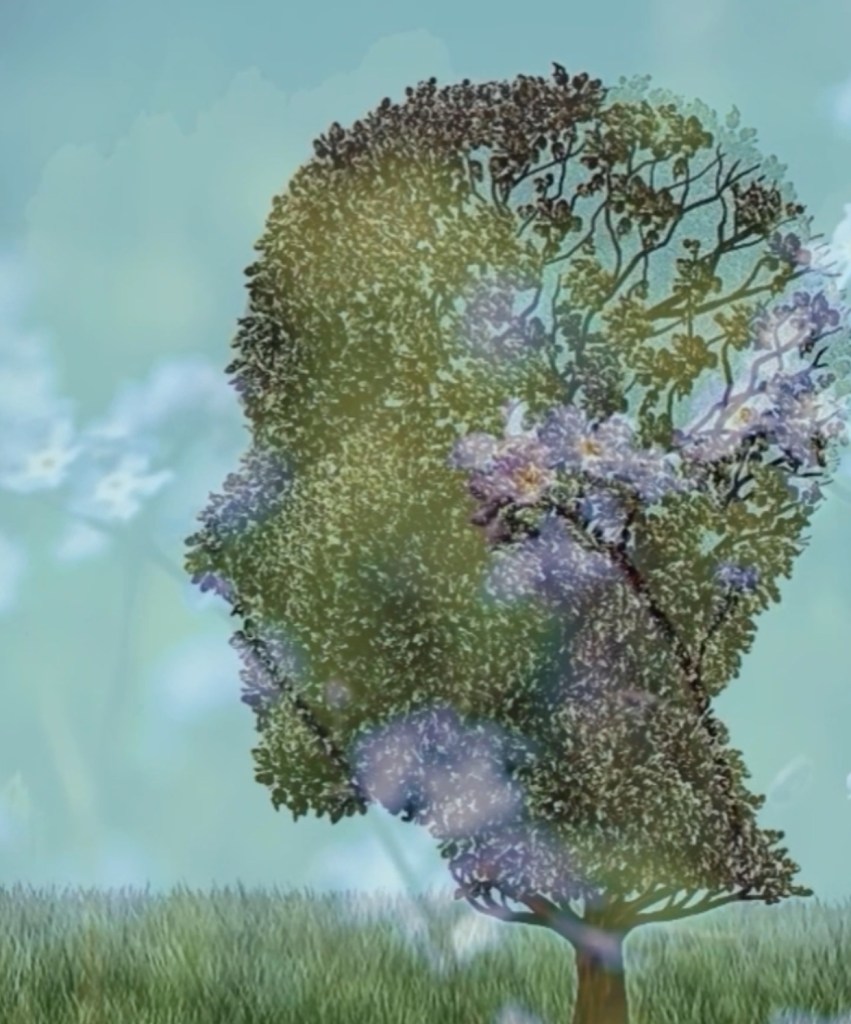
As the ongoing search for development and discovery of new pharmaceutical treatments continue., existing knowledge must be scrupulously considered for potential leads that we hope will eventually introduce us to the future’s curative treatment for cognitive decline, and the neurodegenerative diseases such as dementia and Alzheimer’s.
Phyto-medicines have over the years, become amongst the most promising ingredients of much focus in pharmaceutical and drug discovery 1, whilst natural products have been a source of medicine dating back to at least 2600 BC 2. Of only the most commonly known of the central nervous system (CNS) drugs alone, we are already able to note the value of the plant medicines in the wide uses of ephedrine coming from Ephedra sinica Stapf, morphine from Papaver somniferum L. and hyoscine from Hyoscymus niger L.
Amongst the prescription drugs currently available for the current treatment of dementia is galantamine, the cholinesterase inhibitor that is derived from the botanical agent first isolated in 1952, from Caucasian Snowdrop (Galanthus woronowii Losinsk.) and the Narcissus species 3.
(Left) Galanthus woronowii Losinsk. ‘Caucasian Snowdrop’ and Leucojum aestivum L. ‘Summer Snowflake’ (right).

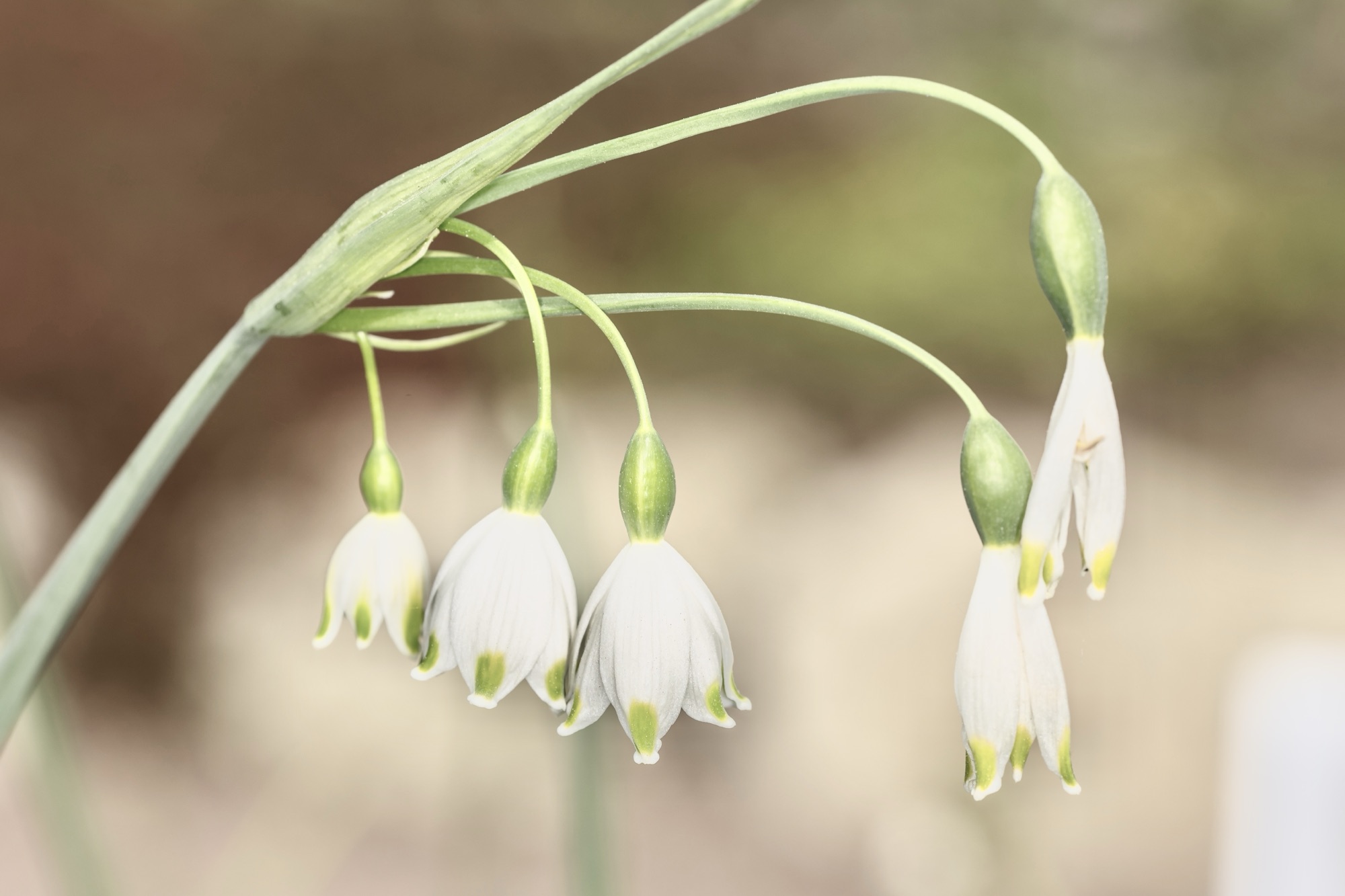
From 2011, the alkaloid of Leucojum aestivum (Summer Snowflake) has been used to treat Alzheimer’s disease (AD) 4. Similarly., rivastigmine the first cholinesterase inhibitor used to treat AD, is a derivative of the indole alkaloid physostigmine from the Physostigma venenosum Balf. 5.
Currently, conventional treatments to manage, reduce, or delay progression of the dementia conditions, are reported to be unsatisfactory in their efficiency to improve symptoms and in reducing cognitive decline6 , whilst are also reported to have severe adverse side effects 7.
Plant medicine, is often *revered a safer and non-invasive intervention with a high bioavailability, shown to positively affect common symptoms, as well as able to influence cognitive behaviours. As seen from Parts I and II, plant materials have been shown to exert many synergistic., as well as desirable effects that are considered particularly useful in the treatment for brain health, improved cognitive function, and as adjunctive management for many of the dementia conditions.
Phytochemicals, and medicinal plants continue to provide promising candidates to put forward for clinical trials, in search of the evidence basis required to satisfy the effective approach for ameliorating some of the symptoms of Behavioural and Psychological Symptoms of Dementia (BPSD), and also as potential for an earliest prevention of the considered risks and onset of the dementia diseases, to then conclude with a wider acceptance of phytomedicines, as efficient support for neurocognitive health.
Targets for Phytomedicines?
So perhaps., what then qualifies a (phyto) medicine to be among these promising candidates? As a background, the preceding articles have outlined just some of the main points of the dementia pathologies, and indeed a little of what some of the main phytochemicals and medicinal functions are., that may contribute to the ongoing research.
In a nutshell, the articles have hopefully laid out some of the primary targets of ongoing pharmaceutical research. They have explored potential disease-modifying botanical agents and drugs, alongside long-standing hypotheses linking cognitive impairment to cholinesterases (ChE) and acetylcholine-hydrolyzing enzymes like butyrylcholinesterase. Additionally, they cover promising new strategies aimed at disrupting the pathology of Aβ or τau phosphorylation in Alzheimer’s disease.
In the case of the latter mentioned, it is well-established that τau phosphorylation is mediated by the actions of various protein kinases and phosphatases. 8. Therefore, through selective inhibitors of τau kinases impeding this hyperphosphorylation step, there may be an opportunist site in which to target the pathogenic cascade. Now, here is where we get into particulars of how plant medicines, may be key players.
Saponins
The Saponins are a naturally occurring group of compounds, often found and stored in medicinal plants 9. Structurally, these are categorized into either triterpenoid or steroid saponins, based on their chemical skeletons 10. Abundant sources of triterpenoid saponins are the legumes (beans, peas and soybeans), and plant families such as alliaceae, agavaceae, amaryllidaceae or asparagaceae (Diascorea villosa L. or ‘wild yam’, asparagus, ginseng, Trigonella foenum-graecum L. ‘fenugreek’) contain the steroid saponins 11. The cereals and grasses typically have no saponins, oats (Avena) are a notable exception, containing both steroidal and triterpenoid varieties 12.
Saponin groups are known to exert many properties of interest in the pharmacology and Traditional Chinese Medicine (TCM) systems 13, notably being documented as anti-neuroinflammatory, neuro-cognitive promoters, and antioxidant 14, 15, 16.
These neuroprotective properties are evidenced by their ability to inhibit Aβ fibrillization, cholinesterases, and enzymes BACE1 and monoamineoxidase-B (MAO-B)17. Studies found that sarsasapogenin saponins (such as those from Asparagus racemosus Willd.) and theasaponin E1 directly inhibited tau hyperphosphorylation and reduced amyloid-beta (Aβ) levels. Furthermore, both compounds demonstrated potent antioxidant activity by scavenging free radicals and suppressing downstream neuroinflammatory pathways 18, 14.
Saponins and neurotransmitters.
Neurotransmitters, including inhibitory GABA and excitatory glutamate, are also key contributors to learning, memory, and cognitive function 19. In particularly, it is glutamate excitation that is largely considered to be a cause of neurotransmitter dysfunction and degeneration 20. Studies have shown that saponins, such as notoginsenoside R1 (a plant metabolite isolated from Panax notoginseng), specifically modulate N-methyl-D-aspartate (NMDA) receptors. By regulating these ionotropic glutamate receptors, the compound helps control glutamate-mediated excitatory pathways in the brain 21.
Saponins then, can offer a multi-target approach to prevent glutamate excitotoxicity; they attenuate initial overexcitation and provide antioxidant defense against the resulting cellular damage. Actions are considered to reduce calcium influx and protect the mitochondria, which are needed to provide the energy necessary for neuronal function. 21.
Levels of norepinephrine and the number of noradrenergic neurons have also been shown to be diminished in dementias such as AD, affecting memory decline. There is some preliminary evidence that this factor is likely to be among a model of numerous contributing etiologies for BPSD and other neuropsychiatric associations of the dementia diseases. 23.
If the neurotransmitter system is impaired, then survival and health of the neurons are compromised and they are unable to effectively complete their function. Therefore the saponins may provide a sound starting point, in the development of naturally derived preventative drugs.
Medicinal Alkaloid Potential
Alkaloids are a group of compounds containing nitrogen in their structure, derived from amino acids most frequently isolated from plants 24. It may be relevant to note, that these plant compounds can be produced in the lab, and manipulated genetically to create higher production of biosynthetic alkaloids 25. As botanical agents, however, natural levels of these alkaloids (such as galantamine) are found throughout various plant species and are of particular interest in medicinal plant and drug research. The alkaloids may be found most abundantly in the papaveraceae, asteraceae, rubiaceae and solanaceae plant species, and have been long documented for their actions as anti-inflammatory, cardioprotective and anaesthetic 26, 27.
The extensive interest in alkaloids is primarily due to their ability to provide the complex, multi-targeting treatment strategy required for any ethnobotanical or pharmaceutical agent to effectively target dementia. As such, key mechanisms of interest include their efficiency in neuroinflammation signalling pathways, anti-apoptotic and anti-oxidative stress actions, and general neuroprotection 28, 29. These chemical groups are well-documented to exert strong inhibitory activity against key pathological enzymes like acetylcholinesterase and butyrylcholinesterase, as well as amyloid and α-synuclein aggregation (major targets in the pathology of LBD, AD, and Parkinson’s disease). Furthermore, they act as both dopaminergic and nicotinic agonists, as well as NMDA antagonists 30.
Berberine
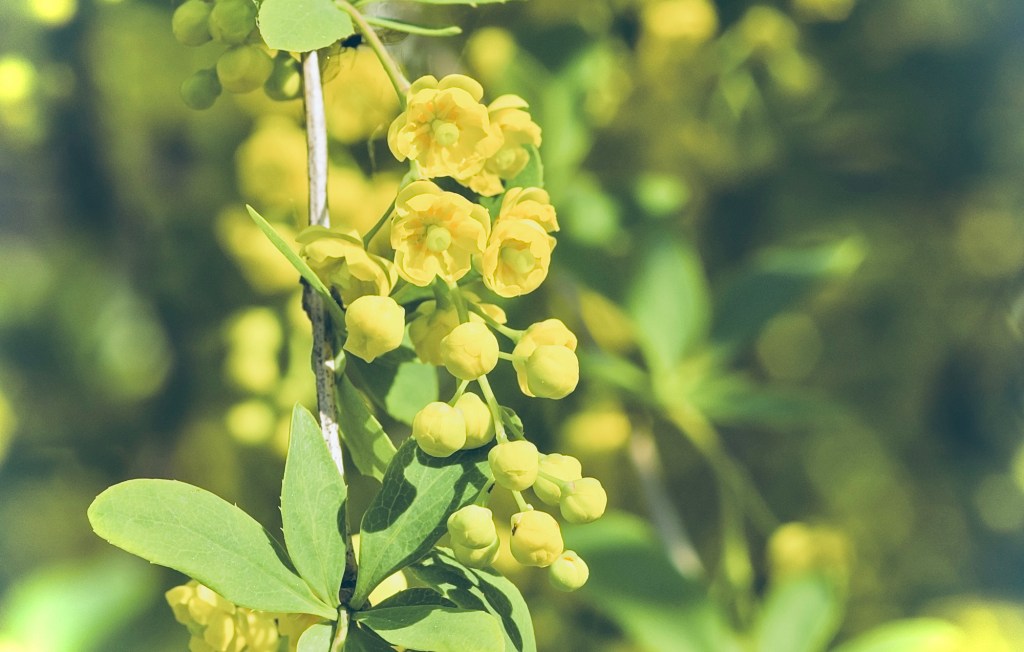
Berberine (BBR), is a natural isoquinoline alkaloid 31, isolated from the roots, rhizomes, stems, and bark of several botanical species, including Berberis Hydrastis canadensis L.(goldenseal), Coptis chinensis Franch. (Chinese goldthread), Eschscholzia californica Cham. (Californian poppy), and Xanthorhiza simplicissima (yellow root) 32.
The intensely yellow and bitter-tasting powder has been well-documented for various medicinal actions including anti-inflammatory, antioxidant, hypoglycemic, and antimicrobial effects. However, its ability to cross the blood-brain barrier (BBB) upon systemic administration has made it of great interest as a protective agent for various neurodegenerative and neuropsychiatric disorders 33, 34, 35. Whilst extensive clinical trials are still required to confirm the precise role of berberine in therapeutic approaches for dementia and cognitive health, and to fully understand its safety profile regarding neuronal function, current studies suggest that BBR holds immense therapeutic potential for treating CNS disorders and neurodegenerative diseases.
BBR has been found to promote the formation of new neurons (neurogenesis), protect against glutamate-induced oxidative stress, and significantly improve short-term memory by inhibiting apoptosis and neuronal loss 36. The therapeutic potential of BBR suggests that it may mitigate neurodegenerative diseases by promoting the clearance of neurotoxic misfolded proteins characteristic of dementia pathology 37.
In AD-specific pathology, BBR acts by preventing hippocampal neurodegeneration and inhibiting the APP-cleaving enzyme (BACE-1) that initiates Aβ production. By simultaneously serving as an inhibitor of both AChE and monoamine oxidase (MAO), BBR effectively challenges disease progression 38, 39, 40.
Ginkgo
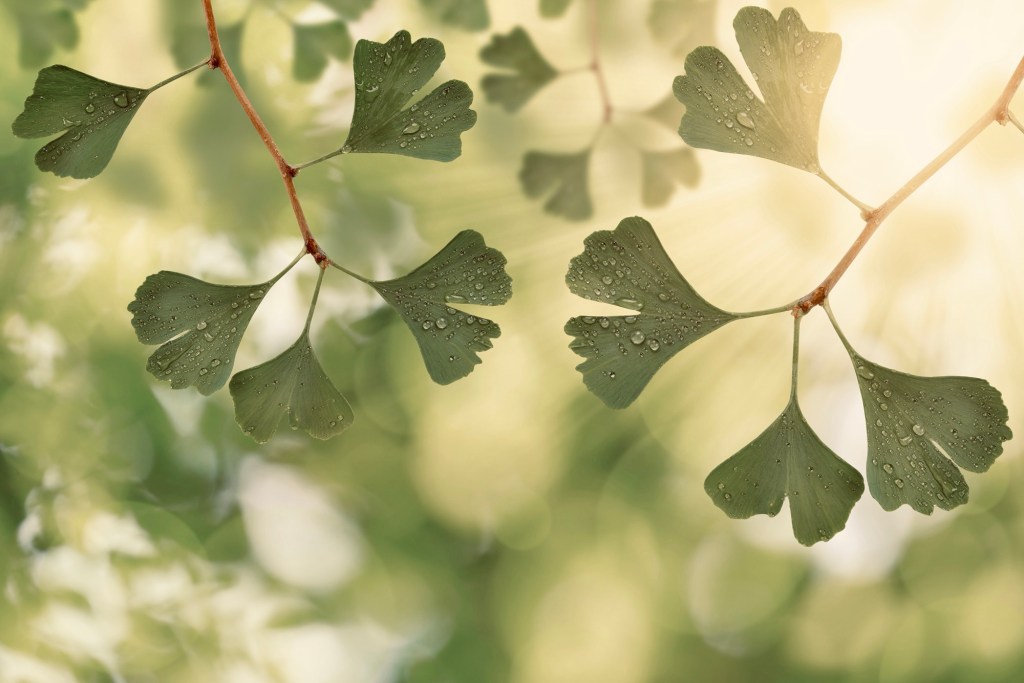
Ginkgo biloba L. (Maidenhair), the sole survivor of the division Ginkgophyta, is an ancient tree whose leaves are a frequent subject of extensive phytochemical and bioactive research due to their medicinal value in treating cognitive decline, vertigo, and dementia41. Studies show that G. biloba plays a neuroprotective role in slowing cognitive deterioration. Furthermore, it has demonstrated efficacy against various behavioral and psychological symptoms of dementia (BPSD).
However, whilst G. biloba is widely accepted as an effective cholinesterase (ChE) inhibitor with a more favourable adverse effect profile than conventional Western pharmaceuticals, whether it can consistently improve cognitive health remains to be confirmed. Some recommendations suggest that there must be a specific treatment duration for successful therapeutic outcomes, whilst other studies suggest its efficacy depends heavily on targeting particular stages of dementia progression 42, 43, 44, 45.
Generally, G. biloba studies utilize extracted preparations containing its terpenoids (bilobalide, and ginkgolides A, B, and C), flavonoids (quercetin, isorhamnetin, and kaempferol), and ginkgolic acid 46. Considered pathways of action include the neuroprotective properties of terpene lactones, which exhibit potent antioxidant and free-radical scavenging abilities. It is also a documented promoter of cardiovascular function, playing a role in peripheral vasoregulation and the modulation of platelet-activating factor (PAF), a phospholipid-derived messenger that contributes to responses against infection, ischemia-induced neuronal damage, and excitotoxic stress47. This multi-target mechanism makes it of high interest for Alzheimer’s disease (AD) and vascular dementia (VaD) pathologies.
G. biloba’s constituent flavonoids also enhance cerebrovascular blood flow and synaptic plasticity. They are thought to interact with neuronal receptors to modulate kinase signalling pathways, transcription factors, and gene or protein expression, ultimately improving cognitive functions such as memory and learning 48, 49.
Progress has been made toward gathering the consistent evidence necessary to suggest that G. biloba can indeed mitigate β-amyloid-induced toxicity, oxidative stress-induced cell death, and nitric oxide (NO) production, while also reducing apoptosis.50.
Saffron

In Part II, we saw some beneficial carotenoids. Among these, saffron is of notable interest for cognitive and brain health. Derived from the Iridaceae (Iris) family, the primary phytochemicals responsible for saffron’s medicinal profile include crocin, crocetin, safranal, and picrocrocin 51, 52. Among its many documented therapeutic actions, its potential contributions to brain health are highly relevant to the current study, including anti-inflammatory, anxiolytic, antidepressant, anticonvulsant, and antioxidant effects 53–57. Due to its ability to cross the blood-brain barrier (BBB), these neuroprotective effects have demonstrated value in promoting cognitive health and improving function in Alzheimer’s disease 58–60.
Consistent with other neurotherapeutic drug targets, saffron exhibits robust antioxidant activity, thereby mitigating the risk factors of cognitive decline and dementia driven by oxidative stress-induced cellular injury, tissue damage, and synaptic loss. Beyond antioxidant mechanisms, saffron modulates acetylcholinesterase activity, NMDA receptors, and glutamate release. Furthermore, it effectively inhibits the aggregation and attenuates the levels of β-amyloid (Aβ) peptides and τau proteins 60–62.
Although research continues to validate the therapeutic value of C. sativus, clinical trials have demonstrated promising results. Comparative studies show that saffron delivers favourable outcomes when measured against both untreated dementia controls and patients on standard therapies like memantine and donepezil. Specifically, reported data indicate enhanced cognitive function (reflected in higher Mini-Mental State Examination (MMSE) scores) and localized left inferior temporal gyrus changes on MRI, EEG, and ERP, favouring the saffron-treated groups 63, 59.
There are so many ways that botanical medicine can impact neurological function, and now that we’ve addressed this as a concept currently known to be based on the best knowledge and best available research, we are better equipped in the clinic, to consider some of the plants and practical ways that we can support cognitive health and some of the associated symptoms, with effective phytomedicines.
Phytomedicine in practice
A priority of this topic is to investigate select botanical agents capable of protecting brain health and promoting cognition, both as a general preventive measure against cognitive decline and as a therapeutic option for individuals at existing disease stages, with or without accompanying BPSD.
We have now established that, (unlike the real herbal stars of the show), this material isn’t all just picked off trees. There are valid frameworks and bases upon which we phytopractitioners build our vast pharmacopoeia of neuro-phytomedicines for cognitive health and dementia conditions. And when I say vast, I mean immense.
The dementia conditions are indeed multi-factorial diseases requiring multi-target treatment strategies, and despite there being no curative approach, there is a sound foundation of knowledge that provides significant hope for successfully reducing risk factors, optimising cognitive health, and enhancing the quality of life for those living with the dementia conditions.
Whilst herbal medicine can be a great ally, factors such as therapeutic range, dosing, drug interactions, and polyherbal applications (where multiple herbs act in synergy to achieve a desired effect) must be carefully considered. An experienced phytopractitioner individually prescribes herbs based on the patient’s history and clinical enquiry, taking numerous components, symptoms, and clinical presentations into account before applying expert knowledge of the phytomaterial and its actions. Accessing professional guidance is always encouraged when implementing a focused and safe herbal treatment strategy.
However, as we have now covered, there are numerous botanical additions that can be applied from these phytoprinciples, some simply through dietary adjustments. These can be easily incorporated into a healthier daily diet and lifestyle, allowing oneself to get creative (which is always recommended, where safe to do so) and as part of a commitment to our overall and cognitive health and wellbeing.
Reference
- Heinrich, M. (2010) Ethnopharmacology and Drug Discovery. In Comprehensive Natural Products II. Elsevier: Amsterdam, The Netherlands, 2010; pp. 351–381.
- Hajar, R. (2015) History of Medicine Timeline. Heart Views 2015, 16, 43–45.
- Heinrich, M. & Teoh, H. L. (2004) Galanthamine from snowdrop-the development of a modern drug against Alzheimer’s disease from local Caucasian knowledge. J Ethnopharmacol. 2004; 92:147–62.
- Halpin, C. M., Reilly, C. & Walsh, J. J. (2010) Nature’s anti-Alzheimer’s drug: Isolation and structure elucidation of galantamine from Leucojum aestivum. J Chem Edu. 2010; 87:1242–3.
- Araújo, J. Q., Lima, J. A., Pinto, A. D.C., De Alencastro, R. B., Albuquerque, M.G. (2011) Docking of the alkaloid geissospermine into acetylcholinesterase: A natural scaffold targeting the treatment of Alzheimer’s disease. J Mol Model. 2011;17(6):1401–12.
- Van Marum, R. J. (2009) Update on the use of memantine in alzheimer’s disease. Neuropsychiatr Dis Treat. 2009;5(1):237–247.
- Livingston, G., Sommerlad, A., Orgeta, V., Costafreda, S. G., et al. (2017). Dementia prevention, intervention, and care. Lancet (London, England), 390(10113), 2673–2734.
- Alquezar, C., Arya, S., & Kao, A. W. (2021) Tau Post-translational Modifications: Dynamic Transformers of Tau Function, Degradation, and Aggregation. Frontiers in neurology, 11, 595532.
- El Aziz, M., Ashour, A., & Melad, A. (2019) A review on saponins from medicinal plants: Chemistry, isolation, and determination. J. Nanomed. Res.8, 282–288.
- Kregiel, D., Berlowska, J., Witońska, I., Antolak, H., Proestos, C., Babic, M., Babic, L., & Zhang, B. (2017). Saponin-Based, Biological-Active Surfactants from Plants. 10.5772/68062.
- Hostettmann, K. & Marston, A. (2005) Saponins; Cambridge University Press: Cambridge, UK.
- Shi, J., Arunasalam, K., Yeung, D., Kakuda, Y., Mittal, G. & Jiang, Y. (2004) Saponins from edible legumes: Chemistry, processing, and health benefits. J. Med. Food, 7, 67–78.
- Liu, J., & Henkel, T. (2002) Traditional Chinese medicine (TCM): Are polyphenols and saponins the key ingredients triggering biological activities? Curr. Med. Chem. 9, 1483–1485.
- Sun, A., Xu, X., Lin, J., Cui, X., Xu, R. (2015) Neuroprotection by saponins. Phytother. Res. 29, 187–200.
- Zhang, Y., Chen, J., Li, S., Huang, K., Cao, H-W., Farag, M.A., Battino, M., Daglia., M., Capanoglu, E. et al. (2023) Health benefits of saponins and its mechanisms: perspectives from absorption, metabolism, and interaction with gut. Critical Reviews in Food Science and Nutrition.
- Kashyap, P., Muthusamy, K., Niranjan, M., Trikha, S. & Kumar, S. (2020) Sarsasapogenin: A steroidal saponin from Asparagus racemosus as multi target directed ligand in Alzheimer’s disease. Steroids, 153, 108529
- Khan, M.I., Khan, M.Z., Shin, J.H., Shin, T.S., Lee, Y.B., Kim, M.Y. & Kim, J.D. (2022) Neuroprotective Effects of Green Tea Seed Isolated Saponin Due to the Amelioration of Tauopathy and Alleviation of Neuroinflammation: A Therapeutic Approach to Alzheimer’s Disease. Molecules. 2022 Mar 24;27(7):2079.
- Qian, Y. H., Han, H., Hu, X. D., & Shi, L.L. (2009) Protective effect of ginsenoside Rb1 on β-amyloid protein (1-42)-induced neurotoxicity in cortical neurons. Neurol. Res. 31, 663–667.
- Gassmann, M. & Bettler, B. (2012) Regulation of neuronal GABAB receptor functions by subunit composition. Nat. Rev. Neurosci. 13:380–394.
- Sattler, R. et al (2018) Synaptic dysfunction and altered excitability in C9ORF72 ALS/FTD. Brain Res.1693:98–108.
- Zou, K., Zhu, S., Meselhy, M. R., Tohda, C., Cai, S., Komatsu, K. (2002) Dammarane-Type Saponins from Panax japonicus and Their Neurite Outgrowth Activity in SK-N-SH Cells. J. Nat. Prod. 65, 1288–1292.
- Herrmann, N., Lanctôt, K.L. & Khan, L.R. (2004) The role of norepinephrine in the behavioral and psychological symptoms of dementia. J. Neuropsychiatry Clin. Neurosci. 2004, 16, 261–276.
- Vermeiren, Y. & Van Hemelrijck, A., et al. (2013) Behavioral correlates of cerebrospinal fluid amino acid and biogenic amine neurotransmitter alterations in dementia. Alzheimers Dement. Sep; 9. 5):488-98.
- Verpoorte, R. (2005) Alkaloids. Encyclopedia of Analytical Science, Elsevier, Amsterdam, The Netherlands. pp. 56–61.
- Van der Heijden, R., Jacobs, D., Snoeijer, W., Hallard, D. & Verpoorte, R. (2004) The Catharanthus alkaloids: Pharmacognosy and biotechnology. Curr. Med. Chem. 11, 607–628.
- Kurek, J. (2019) Alkaloids-Their Importance in Nature and for Human Life. IntechOpen: London, UK, 2019.
- Cushnie, T. P. T., Cushnie, B., & Lamb, A. J. (2014) Alkaloids: An overview of their antibacterial, antibiotic-enhancing and antivirulence activities. Vol. 44, International Journal of Antimicrobial Agents. Elsevier B.V. pp. 377–86.
- Amirkia, V. & Heinrich, M. (2014) Alkaloids as drug leads – A predictive structural and biodiversity-based analysis. Phytochem Lett. 2014;10: xlviii–liiii.
- Sahoo, A. K., Dandapat, J., Dash, U.C. & Kanhar, S. (2018) Features and outcomes of drugs for combination therapy as multi-targets strategy to combat Alzheimer’s disease. J. Ethnopharmacol. 2018; 215:42–73.
- Cortes, N, Posada-Duque, R. A., Alvarez, R., Alzate, F., Berkov, S., Cardona-Gómez, G. P. et al. (2015) Neuroprotective activity and acetylcholinesterase inhibition of five Amaryllidaceae species: A comparative study. Life Sci. 2015; 122:42–50.
- Singh, B., Katare, A.K. (2020). Botanical Sources, Chemistry Aspects and Biological Functions of Berberine: An Updated Critical Review. In: Singh, B. (eds.) Botanical Leads for Drug Discovery. Springer, Singapore.
- Cicero, A. F., & Baggioni, A. (2016) Berberine and its role in chronic disease. Adv Exp Med Biol. 2016; 928:27‐45.
- Wang, K., Feng, X. & Chai, L., et al. (2017) The metabolism of berberine and its contribution to the pharmacological effects. Drug Metab Rev. 2017; 49:1‐19.
- Kulkarni, S. K. & Dhir, A. (2010) Berberine: a plant alkaloid with therapeutic potential for central nervous system disorders. Phytother Res. 2010; 24:317‐324.
- Kulkarni, S.K., & Dhir. A. (2008) On the mechanism of antidepressant‐like action of berberine chloride. Eur J Pharmacol. 2008; 589:163‐172.
- Sadeghnia, H. R., Kolangikhah, M., Asadpour, E., Forouzanfar, F., & Hosseinzadeh, H. (2017). Berberine protects against glutamate-induced oxidative stress and apoptosis in PC12 and N2a cells. Iranian journal of basic medical sciences, 20(5), 594–603.
- Rusmini, P., Cristofani, R., Tedesco, B., Ferrari, V., Messi, E., Piccolella, M., Casarotto, E., Chierichetti, M., et al. (2020) Enhanced Clearance of Neurotoxic Misfolded Proteins by the Natural Compound Berberine and Its Derivatives. Int J Mol Sci. May 13;21(10):3443.
- Han, A. M., Heo, H., & Kwon, Y. K. (2012) Berberine Promotes Axonal Regeneration in Injured Nerves of the Peripheral Nervous System. J Med Food 2012;15(4):413-7.
- Yan, R., & Vassar, R. (2014) Targeting the β secretase BACE1 for Alzheimer’s disease therapy. Vol. 13, The Lancet Neurology; 2014. pp. 319–29.
- Mathew, B., Suresh. J., Mathew., G. E., Parasuraman, R., & Abdulla, N. (2014) Plant secondary metabolites- potent inhibitors of monoamine oxidase isoforms. Cent Nerv Syst Agents Med Chem. 2014;14(1):28–33.
- Plants of the World Online (2024) Gingko biloba L. Facilitated by the Royal Botanic gardens, kew. Published on the Internet; Accessed: 1 June 2024.
- Kandiah, N., Ong, P., Yuda, T., Ng, L. L., Mamun, K., Merchant, R. A., et al. (2019). Treatment of dementia and mild cognitive impairment with or without cerebrovascular disease: expert consensus on the use of Ginkgo biloba extract, EGb 761®. CNS Neurosci. Ther. 2, 288–298.
- Jiang, L., Su, L., Cui, H., Ren, J., Li, C. (2013). Ginkgo biloba extract for dementia: a systematic review. Shanghai Arch. Psychiatry 1, 10–21.
- Hyde, A. J., May, B. H., Dong, L., Feng, M., Liu, S., Guo, X., et al. (2017). Herbal medicine for management of the behavioural and psychological symptoms of dementia (BPSD): a systematic review and meta-analysis. J. Psychopharmacol. 2, 169–183.
- Khizrieva, S.S., Borisenko, S.N., Maksimenko, E.V. et al. (2022) Evaluation of the Polyphenol Composition and Acetylcholinesterase Inhibitory Activity of Ginkgo Biloba Leaf Extracts Produced in Subcritical Water. Russ. J. Phys. Chem. B 16, 1294–1300.
- Lang, F., Hoerr, R., Noeldner, M., Koch, E. (2013) Ginkgo biloba extract EGb 761®: from an ancient Asian plant to a modern European herbal medicinal product. In: Wagner, H., Ulrich-Merzenich, G., (Eds.). Evidence and Rational Based Research on Chinese Drugs. Wien: Springer; 2013: 431–470.
- Nash, K. M. & Shah, Z. A. (2025) Current perspectives on the beneficial role of Ginkgo biloba in neurological and cerebrovascular disorders. Integrative Medicine Insights. 2015; 10:1–9.
- Rendeiro, C., Rhodes, J.S. & Spencer, J.P. (2015) The mechanisms of action of flavonoids in the brain: Direct versus indirect effects. Neurochem Int. 2015 Oct; 89:126-39.
- Rendeiro, C, Guerreiro, J.D.T., Williams, C.M. & Spencer, J.P.E. (2012) Flavonoids as modulators of memory and learning: molecular interactions resulting in behavioural effects. Proceedings of the Nutrition Society. 2012;71(2):246-262.
- Yao, Z., Drieu, K. & Papadopoulos, V. (2001) The Ginkgo biloba extract EGb 761 rescues the PC12 neuronal cells from beta-amyloid-induced cell death by inhibiting the formation of beta-amyloid-derived diffusible neurotoxic ligands. Brain Res. 2001; 889:181–190.
- Mykhailenko, O., Ivanauskas, L., Bezruk, I., Sidorenko, L., Lesyk, R., Georgiyants, V. (2021) Characterization of Phytochemical Components of Crocus sativus Leaves: A New Attractive By-Product. Sci. Pharm. 2021, 89, 28.
- Tayebeh, S., Elham, A., Jafari, S. M. (2016) Main chemical compounds and pharmacological activities of stigmas and tepals of ‘red gold’ saffron. Trends Food Sci. Technol. 2016; 58:69–78.
- Kermani, T., Zebarjadi, M., Mehrad-Majd, H., Mirhafez, S. R, Shemshian, M., Ghasemi, F., et al. (2017) Anti-inflammatory effect of Crocus sativus on serum cytokine levels in subjects with metabolic syndrome: a randomized, double-blind, placebo-controlled trial. Curr Clin Pharmacol. 12: 122-126.
- Ghajar, A., Neishabouri, S.M., Velayati, N., Jahangard, L., Matinnia, N., Haghighi, M., Ghaleiha, A., Afarideh, M., Salimi, S., Meysamie, A., et al. (2017) Crocus sativus L versus Citalopram in the Treatment of Major Depressive Disorder with Anxious Distress: A Double-Blind, Controlled Clinical Trial. Pharmacopsychiatry, 50, 152–160
- Jelodar, G., Javid, Z., Sahraian, A., Jelodar, S. (2018) Saffron improved depression and reduced homocysteine level in patients with major depression: A Randomized, double-blind study. Avicenna J. Phytomed. 2018, 8, 43–50
- Meamarbashi, A., & Rajabi, A. (2015). Preventive effects of 10-day supplementation with saffron and indomethacin on the delayed-onset muscle soreness. Clinical journal of sport medicine: official journal of the Canadian Academy of Sport Medicine, 25 (2), 105–112.
- Baba, S. A., Malik, A.H., Wani, Z. A., et al. (2015) Phytochemical analysis and antioxidant activity of different tissue types of Crocus sativus and oxidative stress alleviating potential of saffron extract in plants, bacteria, and yeast. South African Journal of Botany. 2015; 99:80‒87.
- Ahn, J. H., Hu, Y., Hernandez, M., & Kim, J. R. (2011). Crocetin inhibits beta-amyloid fibrillization and stabilizes beta-amyloid oligomers. Biochemical and biophysical research communications, 414(1), 79–83.
- Farokhnia, M., Shafiee Sabet, M., Iranpour, N., Gougol, A., Yekehtaz, H., Alimardani, R., Farsad, F., Kamalipour, M., Akhondzadeh, S. (2014) Comparing the efficacy and safety of Crocus sativus L. with memantine in patients with moderate to severe Alzheimer’s disease: A double-blind randomized clinical trial. Hum. Psychopharmacol. 2014;29(4):351–359.
- Akhondzadeh, S., Sabet, M. S., Harirchian, M. H., Togha, M., Cheraghmakani, H., Razeghi, S., Hejazi, S. S., Yousefi, M. H., Alimardani, R., Jamshidi, A., Rezazadeh, S. A., Yousefi, A., Zare, F., Moradi, A. & Vossoughi, A. (2010) A 22-week, multicenter, randomized, double-blind controlled trial of Crocus sativus in the treatment of mild-to-moderate Alzheimer’s disease. Psychopharmacology. 2010;207(4):637–643.
- Lechtenberg, M., Schepmann, D., Niehues, M., Hellenbrand, N., Wünsch, B. & Hensel, A. (2008) Quality and functionality of saffron: Quality control, species assortment and affinity of extract and isolated saffron compounds to NMDA and sigma1 (sigma 1) receptors. Planta Med. 2008;74(7):764–772.
- Karakani, A. M., Riazi, G., Mahmood Ghaffari, S., Ahmadian, S., Mokhtari, F., Jalili Firuzi, M. & Zahra Bathaie, S. (2015) Inhibitory effect of corcin on aggregation of 1N/4R human tau protein in vitro. Iran. J. Basic Med. Sci. 2015;18(5):485–492.
- Tsolaki, M., Karathanasi, E., Lazarou, I., Dovas, K., Verykouki, E., Karacostas, A., Georgiadis, K., Tsolaki, A., Adam, K., Kompatsiaris, I., & Sinakos, Z. (2016). Efficacy and Safety of Crocus sativus L. in Patients with Mild Cognitive Impairment: One Year Single-Blind Randomized, with Parallel Groups, Clinical Trial. Journal of Alzheimer’s disease: AD, 54(1), 129–133.
- Botanical Information:World Flora Online (WFO) http://www.worldfloraonline.org. Accessed: June 2024 and POWO (2026). “Plants of the World Online. Facilitated by the Royal Botanic Gardens, Kew. Published on the Internet; https://powo.science.kew.org/.
Originally published: 24/06/2024
This article was recently reviewed by author for accuracy and updated on 6th October 2026, to include the latest information and taxonomy.
Whilst every care is taken to ensure accurate, reputable and the most recent sources and research for this information, this content is not intended as substitute for advice or treatment from a professional clinician. As with conventional medicines, herbal and natural medicines have active ingredients and can have potent effects and interactions with the body, medications, and with other conditions. Especially for those who are taking prescription or over-the-counter medications, it is advised to consult a professional herbalist or medical doctor before beginning any herbal, supplement or lifestyle program. Care and responsible administration is always strongly advocated.
Apothēcary of Botanical Medicine
South Westminster Centre For Health, 82 Vincent Square, London SW1P 2PF
07873 268646

