Meet thy Medicine.
As summer gets well on its way., so too., does our botanical medicine cabinet. Seasonal allergy…, insect repellent., sunscreen…,
Nothing.., is going to get the better of our well-earned break this year, we got this covered!!
So, we (probably) know by now, what to definitely pack…, Aloe, Tea tree, Coconut Oil…, we could do this stuff with our eyes closed!
The best thing about my summer travels abroad., is that I may often (usually) meet up with some old, yet familiar friends, that I don’t often see outside of my usual city window.
Meet Ceratonia siliqua L. …a master antioxidant, super nutrient-rich, anti-inflammatory., that makes this botanical beautifully reliable for some general health maintenance., and even more focused lifestyle goal setting.
Botanical Name: Ceratonia siliqua L. Synonyms: ‘Carob’, ‘Locust Bean’.
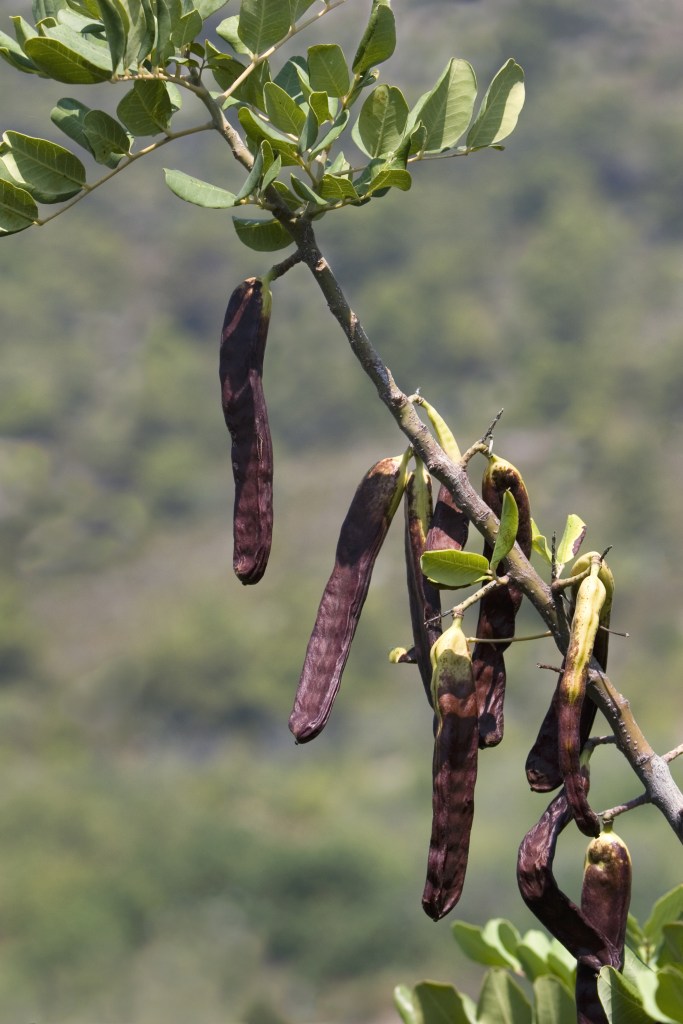
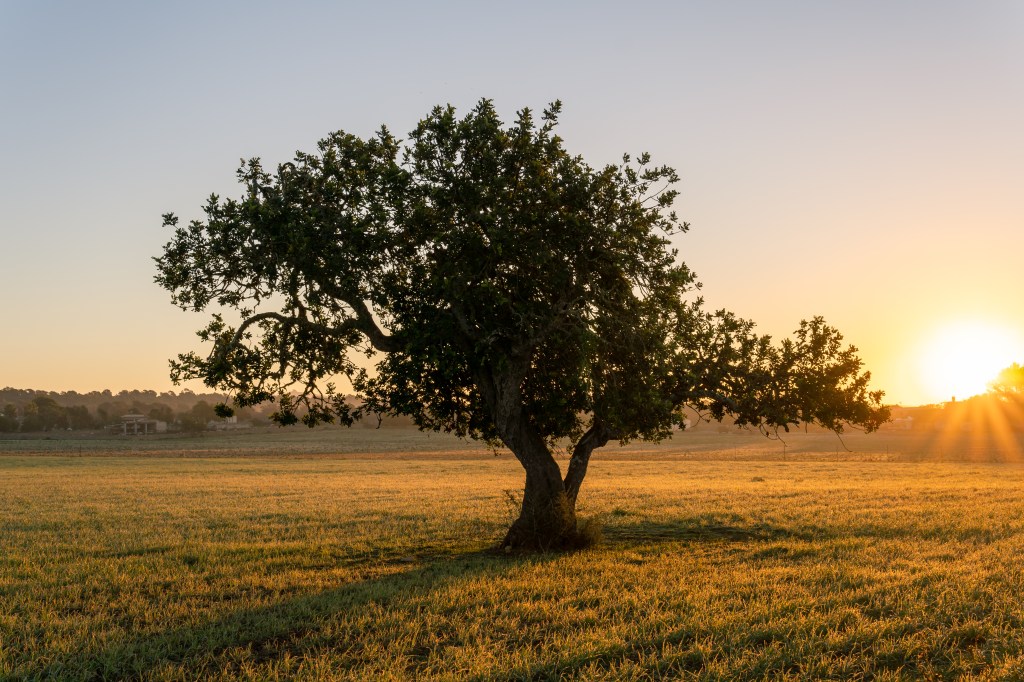
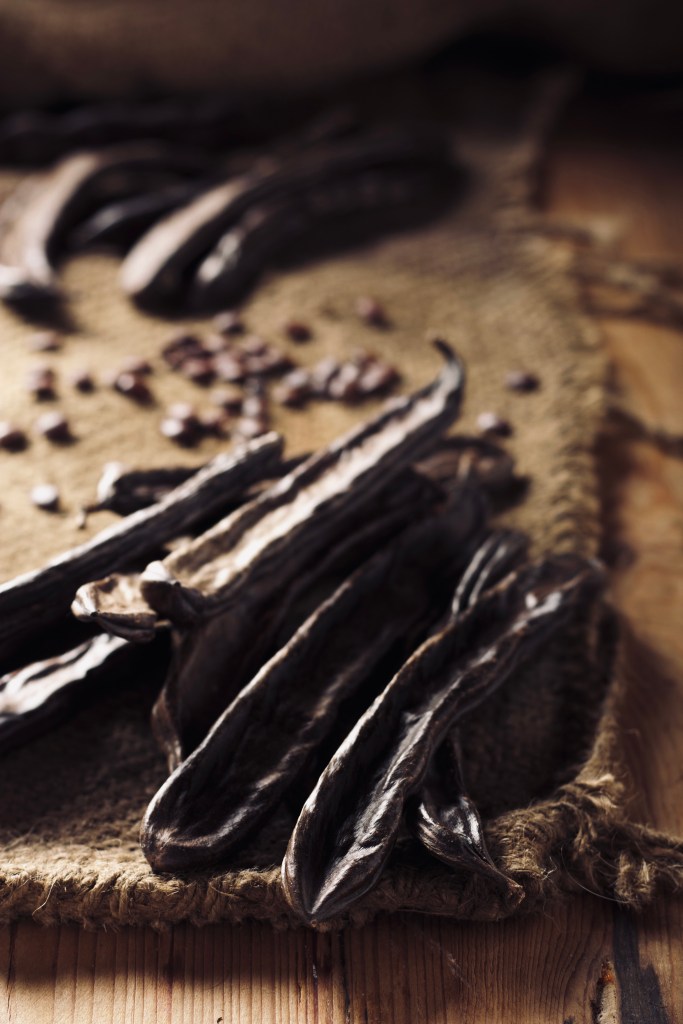
Botanical Profile Carob is an evergreen tree of the legume, fabaceae family, native to the temperature-sensitive Eastern Mediterranean climate. Dark green alternate, leaves are pinnate, with racemes of tiny red flowers up to 7cm long during March to May 1, 2. Fruits are green, maturing to a dark brown, wrinkled, edible pod when ripened, straight or curved and contain transverse seeds that also contain a translucent white carob gum. The inner layer is known as the mesocarp region of the pod, whilst the upper-layer ‘pericarp’ is mostly leather-like textured 1. The pods seeds and pulp, make up different phyto-components and actions of the carob fruit.
Key Phyto Profile: Flavonoid’s, most abundantly quercetin and myricetin rhamnosides. Other flavanols kaempferol, and their glycosidic derivatives are also present 3.
As well as these polyphenols, carob pulp is a significant source of dietary fibre and sugars. Particularly high sugar content is in the pods, being even higher than in beets or sugar cane (around 200 g/kg) 4 , whilst it is namely sucrose and glucose that is highly present in the carob seed.
Nutritionally, C. siliqua is a rich source of dietary fibre, amino acids, potassium, sodium, iron, copper, manganese and zinc 5.
Medicinal Action Highlights: Antihypertensive 6, Antibacterial 7, Anti-obesity 8 , Anti-hyperglycaemic 9, Antioxidant 10, Anti-hyperlipidemia 11 Anti-reflux 12, Phytobiotic 13.
Some major bioactive phytomedical contributors:
Due to its unique nutritional profile, carob is of high clinical interest in both metabolic and nutritional research. As well as its abundance of bioactive components including macro and micronutrients, as a natural sweetener it is frequently considered a low-calorie alternative to cocoa, whilst being gluten, tyramine and caffeine free, it is a plausible dietary substitute for migraine and celiac sufferers 14, 15. To note, is that concentration of total polyphenol in carob powder is comparative to that of cacao (844 mg GAE/100 g vs. 929 mg GAE/100 g, respectively) 16.
Carob contains high levels of D-pinitol, a bioactive component showing significant anti-diabetic and insulin-regulating properties, exerting these through both insulin-mimetic, and sensitising activity 17.
Blood sugar maintenance can contribute to improved body weight through modulating energy, saity and glycemic index. Through reducing triglyceride accumulation in adipocytes (energy storing, white fat cells), anti-obesity effects have been shown from the seed, bark and pod extracts of carob 18.
Fibre, tannins, as well as phytobiotic polyphenols that are present in C. siliqua, promote an excellent bioavailability to pass through the gut mucosa making it of high interest for conditions of the gastrointestinal tract. This makes the plant highly valuable for treating gastrointestinal conditions and improving overall digestion.
Antibacterial as well as anti-fungal properties against Enterococcus spp., Pectobacterium atrosepticum, and Listeria monocytogenes have been shown in several compounds contained in carob, namely epigallocatechin-3-gallate 19, 20, 21.
The medicinal benefits and therapeutic value of C. siliqua are primarily driven by its high polyphenol content and potent free-radical scavenging antioxidant activity 22. These properties make it highly relevant to the search for neuroprotective agents against neurodegenerative diseases, which are strongly linked to oxidative damage. Notably, a study demonstrated that unripe carob pulp extracts act as strong antioxidant and reducing agents, exhibiting significant inhibitory effects against acetylcholinesterase (AChE) and butyrylcholine (BChE)—enzymes targeted for the management and amelioration of dementias like Alzheimer’s disease 23, 24.
Following reasonable nutrition, we are able to promote emotional and physical health, wellbeing and reduce the risk of degenerative diseases 25.
Potentially, the best thing about holiday season is the ability to withdraw from our everyday busy lifestyle. Often this will be short-lived, whilst we’ll soon get back into the work routine that we realistically., aren’t able to take the time to make all those heavenly decisions that we know will be most beneficial to our health, both now and in the future.
Wonder herbs and super foods are gifts for those that find them. Integrating them as ‘functional foods’ allows us to easily add their health benefits to our lifestyle, creating an optimal environment for our bodies to thrive.
Now, all that said…!! About that packing? … 3 sticks of rock., 2 postcards., 1 seashell…
Reference
1. Tous, J., Romero, A., Batlle, I. (2013) The Carob Tree: Botany, Horticulture, and Genetic Resources. In: Jules Janick J., editor. Horticultural Reviews Volume 41. 1st ed. John Wiley & Sons, Inc.; Hoboken, NJ, USA: 2013. pp. 385–446.
2. Fletcher, R (1997) Carob agroforestry in Portugal and Spain, The Australian New Crops Newsletter (1997) 7
3. Ortega, N., Macia, A., Romero, M. P., Trullols, E., Morello, J. R., Angles, N., Motilva, M. J. (2009) Rapid determination of phenolic compounds and alkaloids of carob flour by improved liquid chromatography tandem mass spectrometry. J. Agric. Food Chem. 2009;57
4. Petit, M., Pinilla, J. (1995) Production and purification of a sugar syrup from carob pods. LWT–Food Sci. Tech. 1995; 28:145–152. L
5. S. Marakis (1996) Carob bean in food and feed: current status and future potentials a critical appraisal. J. Food Sci. Technol., 33 (1996), pp. 365-383.
6. Birketvedt G.S. (2016) Northern White Kidney Bean Extract and Ceratonia siliqua extract in Combination with Green Tea Extract in the Treatment of Excess Weight and Obesity. U.S. Patent 15/137,967.
7. Crozier, A., Del Rio, D. & Clifford, M.N. (2010) Bioavailability of dietary flavonoids and phenolic compounds. Mol. Aspects Med., 31 (2010), pp. 446-467
8. Lasa, A., Silván, J.M., Martínez Villaluenga, C., Dueñas, M., Martín Diana, A.B., Rico, D., Fernández-Quintela, A. & Aguirre, L. (2017) In vitro anti-obesity and ani-inflammatory effects of Ceratonia siliqua L. extracts; Proceedings of the 11th World Congress on Polyphenol Applications; Viena, Austria. 20–21 June 2017
9. Brassesco, M.E., Brandão, T.R.S., Silva, C.L.M. & Pintado, M. (2021) Carob Bean (Ceratonia Siliqua L.): A New Perspective for Functional Food. Trends Food Sci. Technol. 2021; 114:310–322.
10. Martínez-Villaluenga, C., Peñas, E., Rico, D., Martin-Diana, A.B., Portillo, M.P., Macarulla, M.T., De Luis, D.A. & Miranda, J. (218) Potential Usefulness of a Wakame/Carob Functional Snack for the Treatment of Several Aspects of Metabolic Syndrome: From In Vitro to In Vivo Studies. Mar. Drugs. 2018; 16:512.
11. M, Manios, Y, Rasheva, N, Pancheva, R, Dimitrova, E, Schaafsma, A. (2016) Effects of carob-bean gum thickened formulas on infants’ reflux and tolerance indices. World J Clin Pediatr. 2016 Feb 8;5(1):118-27.
12. Hwalla, N., Jaafar, Z. (2020) Dietary Management of Obesity: A Review of the Evidence. Diagnostics. 2020; 11:24.
13. Rosa, C. S., Tessele, K., Prestes, R. C., Silveira, M., & Franco, F. (2015). Effect of substituting of cocoa powder for carob flour in cakes made with soy and banana flours. International Food Research Journal, 22(5)
14. Smith B.M., Bean S.R., Schober T.J., Tilley M., Herald T.J., Aramouni F., Dakia P.A., Wathelet B., Paquot M., Bengoechea C., et al. (208) Composition and Molecular Weight Distribution of Carob Germprotein Fractions. Food Chem. 2008; 102:675–683.
15. Racolta, E., Muste, S., Muresan, A.E., Muresan, C.C., Bota, M.M., Muresan, V. (2014) Characterization of Confectionery Spreadable Creams Based on Roasted Sunflower Kernels and Cocoa or Carob Powder. Bull. UASVM Food Sci. Technol. 2014; 71:62–67.
16. Azab, A. (2022) D-Pinitol—Active Natural Product from Carob with Notable Insulin Regulation. Nutrients. 2022; 14:1453.
17. Lasa, A., Silván, J.M., Martínez Villaluenga, C., Dueñas, M., Martín Diana, A.B., Rico D., Fernández-Quintela, A., Aguirre, L. (2017) In vitro anti-obesity and ani-inflammatory effects of Ceratonia siliqua L. extracts; Proceedings of the 11th World Congress on Polyphenol Applications; Viena, Austria. 20–21 June 2017
18. Hsouna, A. B., Trigui, M., Mansour, R. B., Damak, M., Jaoua, S. (2011) Chemical composition, cytotoxicity effect and antimicrobial activity of Ceratonia siliqua essential oil with preservative effects against Listeria inoculated in minced beef meat. Int J Food Microbiol. 2011 Jul 15;148(1):66-72.
19. Ibrahim, A.H., El-Baky, R.M., Desoukey, S.Y., Abd-Lateff, A., & Kamel, M.S. (2013). Bacterial Growth Inhibitory Effect of Ceratonia siliqua L. Plant Extracts Alone and in Combination with Some Antimicrobial Agents.
20. Rtibi, K., Jabri, M.A., Selma, S., Souli, A., Sebai, H., El-Ben-Naceur, J., Amri, M. & Marzouki, L. (2015) Carob pods (Ceratonia siliqua L.) inhibit human neutrophils myeloperoxidase and in vitro ROS-scavenging activity. INSERM U773 Centre de Recherche Biomédicale, Faculté de Médecine X. Bichat, 75018 Paris, France.
21. Saci, F., Bachir bey, M., Louaileche, H. et al. (2020) Changes in anticholinesterase, antioxidant activities and related bioactive compounds of carob pulp (Ceratonia siliqua L.) during ripening stages. Food Measure 14, 937–945 (2020).
22. Breijyeh, Z. & Kara-man, R. (2020) Comprehensive Review on Alzheimer’s Disease: Causes and Treatment. Molecules. 2020; 25:5789.
23. World health organisation (WHO) (2019) Risk Reduction of Cognitive Decline and Dementia. Geneva, Switzerland: WHO Guidelines.
Taxonomy: World Flora Online (WFO) http://www.worldfloraonline.org. Accessed: June 2024 and POWO (2026). “Plants of the World Online. Facilitated by the Royal Botanic Gardens, Kew. Published on the Internet; https://powo.science.kew.org/.
Originally published: 01/07/2024
This article was recently reviewed by author for accuracy and updated on 2nd October, 2026 to include the latest information and taxonomy.
Whilst every care is taken to ensure accurate, reputable and the most recent sources and research for this information, this content is not intended as substitute for advice or treatment from a professional clinician. As with conventional medicines, herbal and natural medicines have active ingredients and can have potent effects and interactions with the body, medications, and with other conditions. Especially for those who are taking prescription or over-the-counter medications, it is advised to consult a professional herbalist or medical doctor before beginning any herbal, supplement or lifestyle program. Care and responsible administration is always strongly advocated.
Apothēcary of Botanical Medicine
South Westminster Centre For Health, 82 Vincent Square, London SW1P 2PF
07873 268646

