
There are so many ways that botanical medicine can impact neurological function, and now that we’ve addressed this as a concept that is known to be based on the best knowledge., and best available research, we are better equipped to consider some of the plants and practical ways that we can optimise cognitive health, reducing the effects of brain ageing, whilst supporting some of the associated disease with effective phytomedicine.
For many of us., regardless of longevity., our general pursuit in life (probably)…, is to achieve optimal health and happiness. Somewhere along this gradient we might personally rate the components that form these goals., the connection to our own personal values, such as spirituality, wealth, emotional stability, contentment, relationships, security, family, fulfilment… and so forth.
The truth is., that many of these components each reflect a high level of cognitive functioning… and it is more largely at the realm of our brain health, than we strangely., often tend to attribute it to.
For our brain, when we talk of improving or supporting its optimal health, we are usually talking in terms of its nourishment and ensuring that it has the supply and nutrients that it needs. Then, we consider also ways of protecting it from the inevitable effects of exposure to the environments, and brain ageing. In-short, we look to improving the brains’ resilience, and conserving it through the wear and tear and toils of daily life, that we certainly need it to be up to the job for.
Through providing this brain support, we can minimise and even delay the effects of ageing and degeneration 1.
We can also improve many of these skills, that we might notice become more of an effort when we’ve been neglecting our health or under times of stress., such as our movement, memory, ability to engage socially, decision making… all of these which we know play a vital part in fulfilling those components toward our happiest life.
Fortunately, brain food, of course, comes in many forms, much of which we instinctively know to carry out when it is dangerously deficient. It is no top secret that the best brain food we have to offer comes in the forms of lifestyle, the balance of a healthy diet 2, regular exercise 3, and lots of that unxious restorative sleep stuff!!! 4
However, there are also times, perhaps when we’ve been burning the candle at both ends, or when we are in prolonged times of stress, that we could… well, on behalf of your brain, let’s say a little bit of support just wouldn’t go amiss.

The antioxidants are perhaps amongst the most well-known dietary brain treats, protecting the brain from becoming unbalanced from everyday toxins from our diets, the environment, ageing and disease 5.
Research shows that plant polyphenols such as flavonoids and anthocyanins, which are found in colorful fruits and vegetables, are a major source of dietary antioxidants 6.
The ability to selectively get lovely nutrients through to the brain such as the antioxidants, whilst keeping the toxins out., is the job of a filter-type structure known as the blood-brain-barrier (BBB) 7.
Studies show that many botanical agents are able to pass through the blood-brain barrier via various pathways, where they can then exert their medicinal properties, modulating neuronal activities and preventing neuronal damage 8. These plant-derived substances are termed as having potential neuroprotective, antioxidant, or nootropic (cognitive enhancing) effects, strengthening and protecting the brain.
Research continues into the ways that we can best utilise this knowledge of brain-therapeutic plants, and reposition their role in our modern interest in attaining good health and balance. These studies also drive future drug-discovery for neurodegenerative conditions including the dementias and Alzheimer’s.
Here are 5 of some of the super brain botanicals of interest…, and some of their phyto-highlights from the research of how they have become amongst the most promising leads, for cognitive phytomedicine…
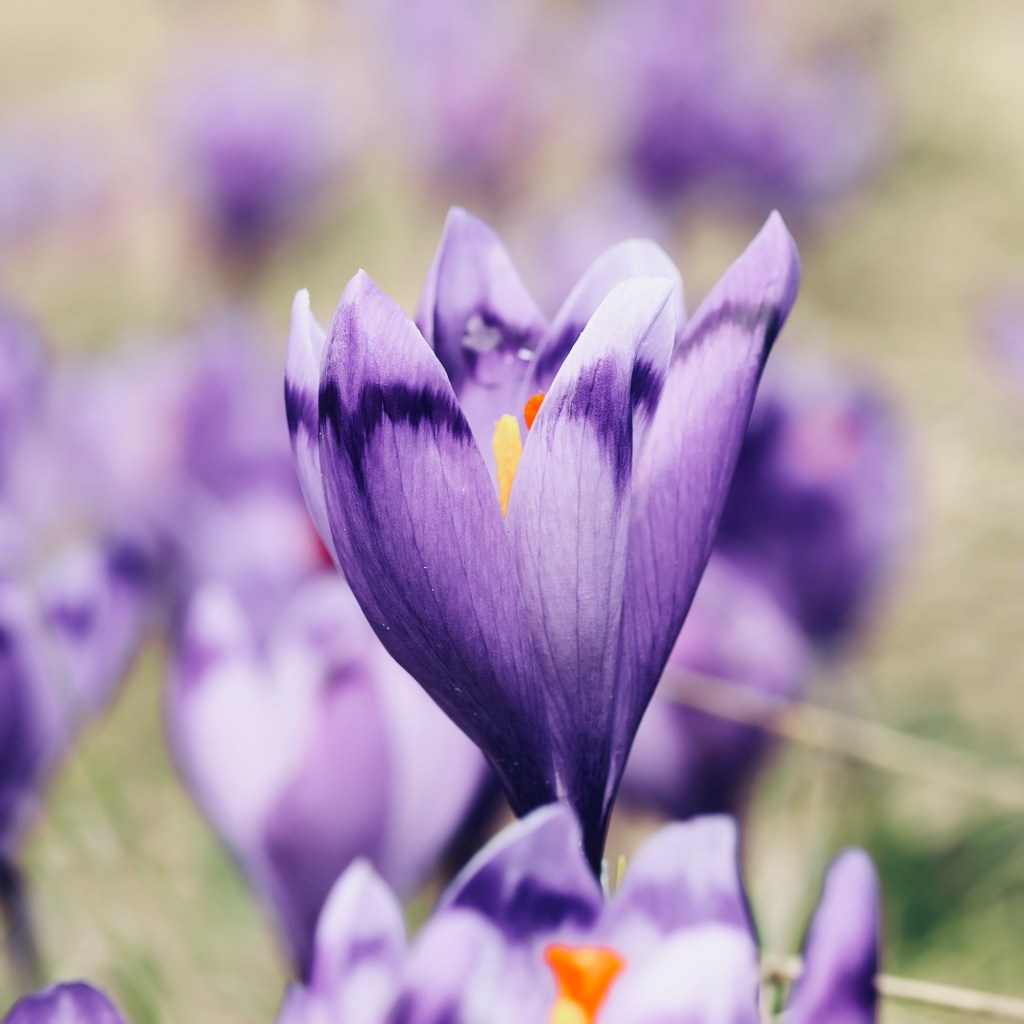
(Saffron)
Whilst there is much evidence in support of the positive effects of Saffron for brain health, studies are continuing to profile the safest ranges in which this beautiful herb can be of best value to the cognitive conditions.
The promising lines are however, looking good. As well as having high impact as antioxidant and furthermore an ability to cross the blood-brain-barrier where they can contribute to strengthening the integrity of the BBB wall 9, 10, C. sativus has been successful in improving rating scores for cognition parameters amongst patients with dementia, where results were compared to conventional drug treatments 11. Other studies have shown not only clinical improvements when compared to untreated control groups, but also findings of subsequent structural or functional changes in corresponding brain regions, have been demonstrated by MRI scans 12.
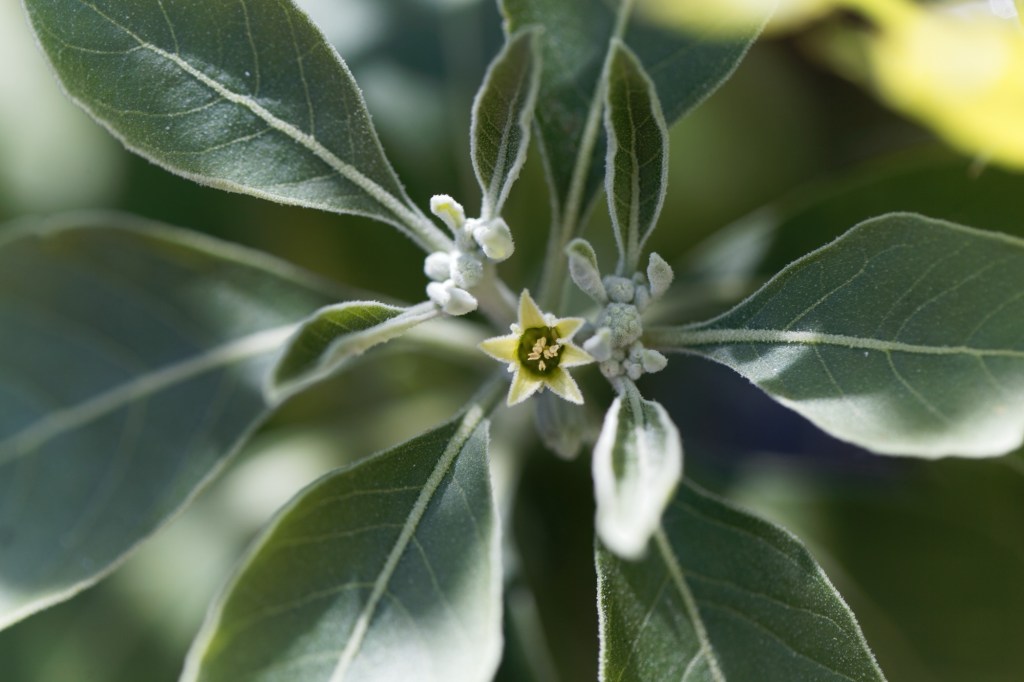
Ashwagandha has been frequently associated with supporting function and stress response 13, earning a title of ‘the rejuvenator’ in Ayurvedic medicine where it is long documented as a cognitive, and memory enhancer 14. Many studies have now provided good evidence that the herb may indeed be able to fulfil this traditional title. It is shown to modulate cortisol production by stimulating relaxing neurotransmitters like GABA15. It is of course, infamously antioxidant 16 and adaptogenic 17. As a neuro-protective agent, studies have shown that healthy people who took Ashwagandha root and leaf extracts for two weeks, found improvements in psychomotor and cognitive performances 18. Separate studies have included findings such as improvement in sustained attention, processing speed, auditory-verbal working memory, measurements of both social cognition and reaction times after 6-8 weeks of root extract supplementation, whilst further trials concluded that Ashwagandha was shown to both reduce stress as well as improve cognitive performance, in healthy adults aged between 30-40 years old 19.
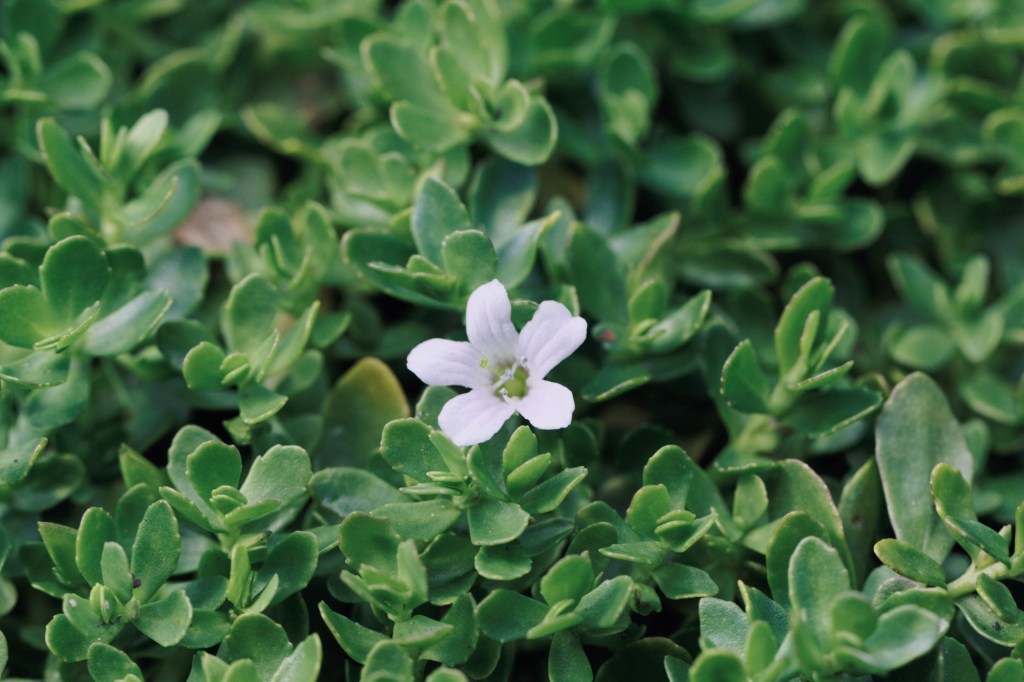
Bacopa monnieri is known in Ayurveda as a calming cognitive enhancer 14. In the western world, studies are ongoing to consistently understand how this herb can be beneficial for brain health. This botanical is distinguished by its calming anxiolytic effects, linked to the production of the neurotransmitter GABA, which supports cognitive function 20. Preliminary trials suggest that B. monnieri enhances certain aspects of cognition such as word-recall and verbal learning, cognitive performance and memory acquisition, and it may also help to reduce anxiety 21, 22, 23.
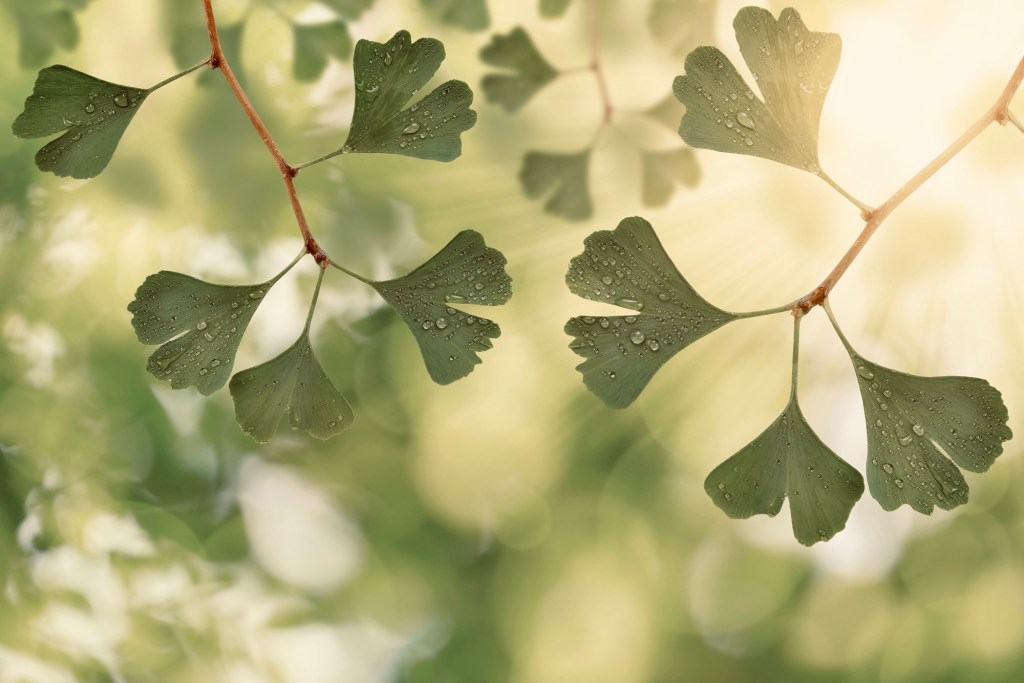
Extensive research demonstrates Ginkgo’s antioxidant, anti-apoptotic (prevents programmed cell death), and anti-inflammatory effects 24, 25, it offers particular therapeutic value for cognitive health and neurodegenerative diseases like dementia 26. It is considered, that extracts of G. biloba may improve the permeability of the BBB through activation of the gap junctions and adenosine receptor. This is thought to promote the medicinal effects of the G. biloba extract easily with the brain tissue 27. Specifically, evidence shows that Ginkgo biloba extract works as a neuroprotective agent that supports brain health by guarding against mitochondrial dysfunction and neuronal decline 28.
Over the years, Ginkgo biloba has been positively associated with treating cerebral vascular impairment, concentration difficulties, memory loss, confusion, and low energy. Furthermore, it has been linked to significant improvements in cognitive performance among individuals experiencing Mild Cognitive Decline 29.
Evidence also links Ginkgo biloba to improvements in behavioral and psychological symptoms of dementia (BPSD), which heavily impact patient well-being and quality of life 30. Therefore, when combined with standard pharmaceutical treatments like acetylcholinesterase inhibitors (AChEIs), G. biloba has shown promise as an adjunctive therapy for improving cognitive function and delaying dementia progression 31.
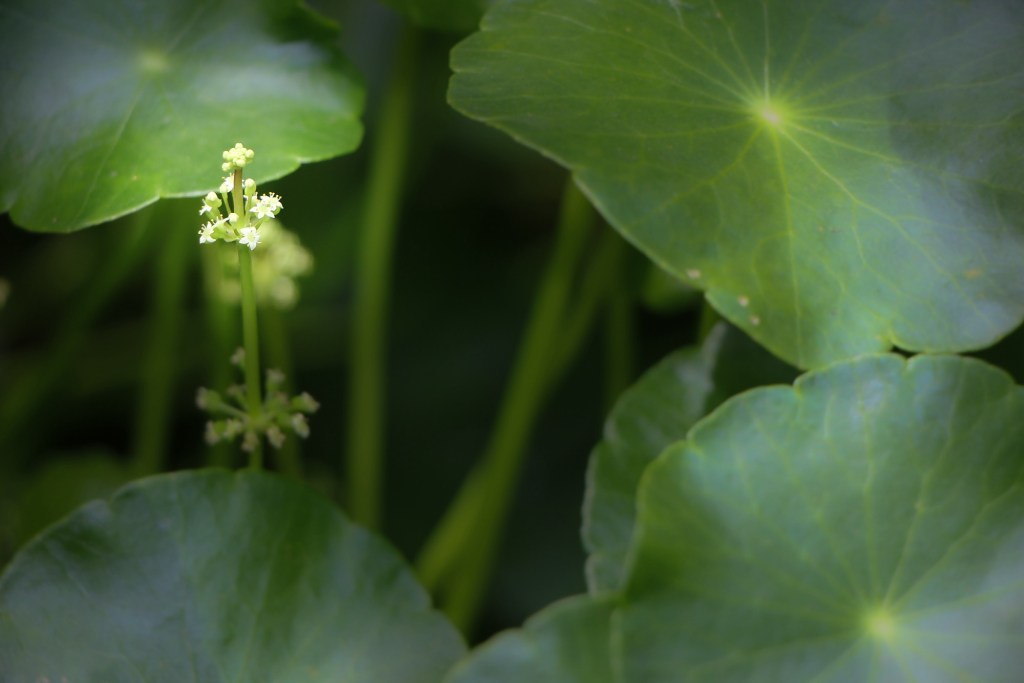
Centella asiatica has been valued in Ayurvedic and Indonesian traditions for centuries as a longevity elixir and is now gaining recognition in Western cultures 32, 33. This plant contains triterpenoid saponins like asiaticosides 34. Its cognitive and Central Nervous System (CNS) benefits are attributed mainly to asiatic acid, which is low in toxicity and can easily cross the blood-brain barrier. This ability contributes to its medicinal effects, showing promise as a neuroprotective and cognitive-enhancing agent, with potential anti-convulsive properties 35, 36. Consequently, C. asiatica has been extensively studied for its possible use in managing complex brain disorders like epilepsy, Parkinson’s Disease, and Alzheimer’s 37. It also supports combination therapy with other herbs known for their cognitive and memory-enhancing properties, such as Bacopa monnieri 14.
Reference.
1. World health organisation (WHO) (2019) Risk Reduction of Cognitive Decline and Dementia. Geneva, Switzerland: WHO Guidelines.
2. Zhang, R., Zhang, B., Shen, C. et al. (2024) Associations of dietary patterns with brain health from behavioral, neuroimaging, biochemical and genetic analyses. Nat. Mental Health 2, 535–552.
3. Weinberg, R. S. & Gould, D. (2015). Foundations of sport and exercise psychology, 6th Edn. Champaign, IL: Human Kinetics.
4. Eugene, A. R. & Masiak, J. (2015) The Neuroprotective Aspects of Sleep. MEDtube Sci. 2015 Mar;3(1):35-40.
5. Lobo, B., Patil, A., Phatak, A., & Chandra, N. (2010). Free radicals, antioxidants and functional foods: Impact on human health. Phacog Rev. 4 (8), 118–126
6. Gardener, H. & Caunca, M.R. (2018) Mediterranean Diet in Preventing Neurodegenerative Diseases. Curr. Nutr. Rep. 2018; 7:10–20.
7. Wu, D., Chen, Q., Chen, X. et al. (2023) The blood–brain barrier: structure, regulation, and drug delivery. Sig Transduct Target Ther 8, 217.
8. Weidong, W., Huang, J., Han, P., Zhang, J., Wang, Y., Jin, F., and Zhou, Y. (2023) Research Progress on Natural Plant Molecules in Regulating the Blood–Brain Barrier in Alzheimer’s Disease. Molecules 28, no. 22: 7631.
9. Zeka, K., Ruparelia, K.C., Continenza, M.A., Stagos, D., Vegliò, F., Arroo, R.R. (2015) Petals of Crocus sativus L. as a potential source of the antioxidants crocin and kaempferol. Fitoterapia 2015, 107, 128–134.
10. Wong, K.H., Xie, Y., Huang, X. et al. (2020) Delivering Crocetin across the Blood-Brain Barrier by Using γ-Cyclodextrin to Treat Alzheimer’s Disease. Sci Rep10, 3654.
11. Farokhnia, M., Sabet, M., Iranpour, N., Gougol, A., Yekehtaz, H., Alimardani, R., Farsad, F., Kamalipour, M. & Akhondzadeh, S. (2014) Comparing the efficacy and safety of Crocus sativus L. with memantine in patients with moderate to severe Alzheimer’s disease: a double-blind randomized clinical trial. Hum Psychopharmacol. 2014;29(4):351–359.
12. Tsolaki, M, Karathanasi, E., Lazarou, I., Dovas, K., Verykouki, E., Karacostas, A., Georgiadis, K., Tsolaki, A., Adam, K., Kompatsiaris, I., Sinakos, Z. (2016) Efficacy and safety of crocus sativus L. in patients with mild cognitive impairment: one year single-blind randomized, with parallel groups, clinical trial. J Alzheimers Dis. 2016;54(1):129–133.
13. Dar, N.J., Hamid, A., Ahmad, M. (2015) Pharmacologic overview of Withania somnifera, the Indian Ginseng. Cell. Mol. Life Sci. 2015, 72.
14. Walker, E. A., Pellegrini, M. V. (2023) Bacopa monnieri. In: StatPearls [Internet]. Treasure Island (FL): StatPearls Publishing; 2024 Jan.
15. Frank, F., Ortlund, E.A., Liu, X. (2021) Structural insights into glucocorticoid receptor function. Biochem. Soc. Trans. 2021, 49, 2333–2343
16. Senthil, K., Thirugnanasambantham, P., Oh, T. J., Kim, S. H., & Choi, H. K. (2015). Free radical scavenging activity and comparative metabolic profiling of in vitro cultured and field grown Withania somnifera roots. PloS one, 10(4), e0123360
17. Singh, N. (1993) Stress disease and herbal medicine. Inaugural issue of J Biotech Med Plant Res, Lucknow. 1993a:2–4.
18. Pingali, U., Pilli, R., Fatima, N. (2014) Effect of standardized aqueous extract of Withania somnifera on tests of cognitive and psychomotor performance in healthy human participants. Pharmacogn. Res. 2014; 6:12–18.
19. Remenapp, A., Coyle, K., Orange, T., Lynch, T., Hooper, D., Hooper, S., Conway, K., Hausenblas, H. A. (2022) Effectiveness of Ashwagandha (Withania somnifera) Supplementation on Adult’s Cognition and Mood. J. Ayurveda Integr. Med. 2022; 13:100510.
20. Shinomol, G.K., Bharath, MM. (2011) Exploring the Role of “Brahmi” (Bacopa monnieri and Centella asiatica) in Brain Function and Therapy. Recent Pat Endocr Metab Immune Drug Discov. 2011 Jan;5(1):33-49.
21. Sathyanarayanan, V., Thomas, T., Einöther, S.J., Dobriyal, R., Joshi, M. K., Krishnamachari, S. (2013) Brahmi for the better? New findings challenging cognition and anti-anxiety effects of Brahmi (Bacopa monniera) in healthy adults. Psychopharmacology (Berl). 2013 May;227(2):299-306.
22. Pase, M.P., Kean, J., Sarris, J., Neale, C., Scholey, A.B, Stough, C. (2012) The cognitive-enhancing effects of Bacopa monnieri: a systematic review of randomized, controlled human clinical trials. J Altern Complement Med. 2012 Jul;18(7):647-52
23.Calabrese, C., Gregory, W.L, Leo, M., Kraemer, D., Bone, K., Oken, B. (2008) Effects of a standardized Bacopa monnieri extract on cognitive performance, anxiety, and depression in the elderly: a randomized, double-blind, placebo-controlled trial. J Altern Complement Med. 2008 Jul;14(6):707-13
24. Smith, J. V., Burdick, A. J., Golik, P., Khan, I., Wallace, D., & Luo, Y. (2002). Anti-apoptotic properties of Ginkgo biloba extract EGb 761 in differentiated PC12 cells. Cellular and molecular biology (Noisy-le-Grand, France), 48(6), 699–707.
25. Zhang, L., Fang, X., Sun, J., Su, E., Cao, F., Zhao, L. (2023) Study on Synergistic Anti-Inflammatory Effect of Typical Functional Components of Extracts of Ginkgo Biloba Leaves. Molecules2023,28,1377.
26. Luo, Y., Smith, J. V., Paramasivam, V., Burdick, A. J., Curry, K. J., Buford, J. P., … & Butko, P. (2002) Inhibition of amyloid-β aggregation and caspase-3 activation by the ginkgo biloba extract egb761. Proceedings of the National Academy of Sciences, 99(19), 12197-12202
27. Liang W, Xu W, Zhu J, Zhu Y, Gu Q, Li Y, Guo C, Huang Y, Yu J, Wang W (2020) Ginkgo biloba extract improves brain uptake of ginsenosides by increasing blood-brain barrier permeability via activating A1 adenosine receptor signalling pathway. J Ethnopharmacol 246:112243
28. Baliutyte, G., Trumbeckaite, S., Baniene, R., Borutaite, V., Toleikis, A. (2014) Effects of standardized extract of Ginkgo biloba leaves EGb761 on mitochondrial functions: Mechanism(s) of action and dependence on the source of mitochondria and respiratory substrate. J. Bioenerg. Biomembr. 2014, 46, 493–501
29. Bone, K., Mills, S. (2013) Principles and Practice of Phytotherapy—E-Book: Modern Herbal Medicine; Elsevier Health Sciences: Amsterdam, The Netherlands, 2013.
30. Herrschaft, H., Nacu, A., Likhachev, S., Sholomov, I., Hoerr, R. & Schlaefke, S. (2012) Ginkgo biloba extract EGb 761(R) in dementia with neuropsychiatric features: A randomised, placebo-controlled trial to confirm the efficacy and safety of a daily dose of 240 mg. J. Psychiatr. Res. 2012, 46, 716–723.
31. Canevelli, M., Adali, N., Kelaiditi, E., Cantet, C., Ousset, P.J., Cesari, M. & Group, I.D. (2014) Effects of Gingko biloba supplementation in Alzheimer’s disease patients receiving cholinesterase inhibitors: Data from the ICTUS study. Phytomedicine 2014, 21, 888–892.
32. Chopra, R.N., Nayar, S.L. & Chopra, IC. (1986) Glossary of Indian Medicinal Plants (Including the Supplement) New Delhi: Council of Scientific and Industrial Research; 1986. pp. 51–83.
33. Chevallier, A. (1996) The Encyclopedia of Medicinal Plants. London: Dorling Kindersley; 1996. p. 257.
34. Singh, B., Rastogi. R.P. (1969) A reinvestigation of the triterpenes of Centella asiatica. Phytochem. 1969; 8:917–21.
35. Raval, N., Mistry, T., Acharya, N. & Acharya, S. (2015) Development of glutathione-conjugated asiatic acid-loaded bovine serum albumin nanoparticles for brain-targeted drug delivery. J. Pharm. Pharmacol. 2015, 67, 1503–1511.
36. Binder, D.K., Steinhauser, C. (2006) Functional changes in astroglial cells in epilepsy. Glia 2006, 54, 358–368
37. Verdugo, C. D., Myren-Svelstad, S., Aydin, E., Hoeymissen, E.V., et al. (2019) Glia-neuron interactions underlie state transitions to generalised seizures. Nat. Commun.
Taxonomy: World Flora Online (WFO) http://www.worldfloraonline.org. Accessed: July 2024 and POWO (2026). “Plants of the World Online. Facilitated by the Royal Botanic Gardens, Kew. Published on the Internet; https://powo.science.kew.org/.
Originally published: 24/07/2024
This article was recently reviewed by author for accuracy and updated on 22nd October, 2026 to include the latest information and taxonomy.
Whilst every care is taken to ensure accurate, reputable and the most recent sources and research for this information, this content is not intended as substitute for advice or treatment from a professional clinician. As with conventional medicines, herbal and natural medicines have active ingredients and can have potent effects and interactions with the body, medications, and with other conditions. Especially for those who are taking prescription or over-the-counter medications, it is advised to consult a professional herbalist or medical doctor before beginning any herbal, supplement or lifestyle program. Care and responsible administration is always strongly advocated.
Apothēcary of Botanical Medicine
South Westminster Centre For Health, 82 Vincent Square, London SW1P 2PF
07873 268646

